
GuideAugust 16, 2026
Steel Door Replacement: Renew the Existing Door, or Replace It?
Not every problem calls for a new door. When is recladding or a part swap enough — and when does the whole door have to go?
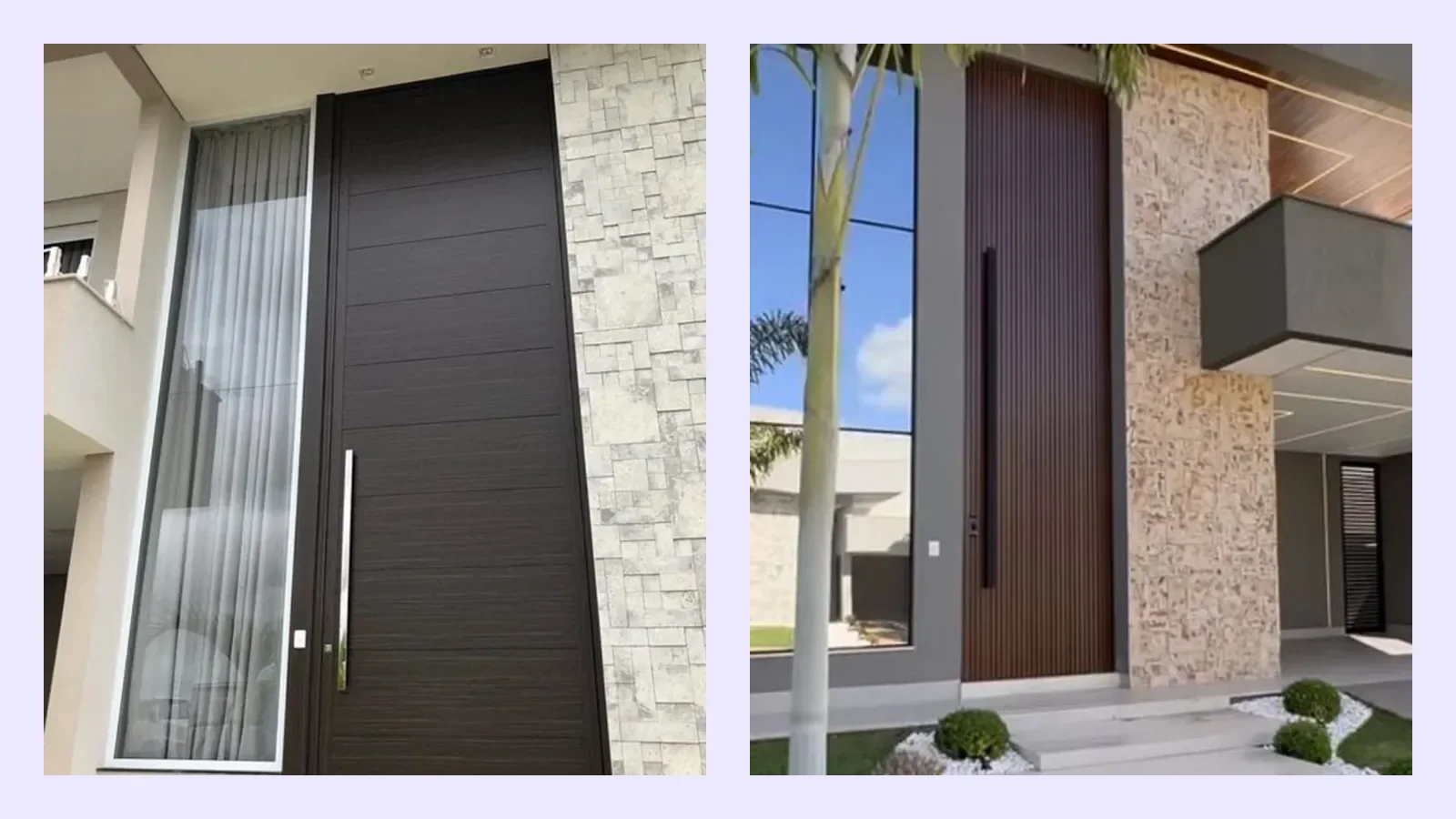
Choosing a door for a stone-clad house is harder than for a plain plastered façade — stone already has a strong texture of its own, and a door that tries to compete with it just makes the entrance look busy. A good match doesn't upstage the stone; it frames it.
The three stone textures we encounter most often in Turkey, and the tones that work with each:
A practical rule: look at the mortar joint color. If the joints are light, a dark door sits better; if the joints are dark, a mid-tone door works better. Taking a daylight photo of the façade and holding door colors up against it is the fastest way to decide.
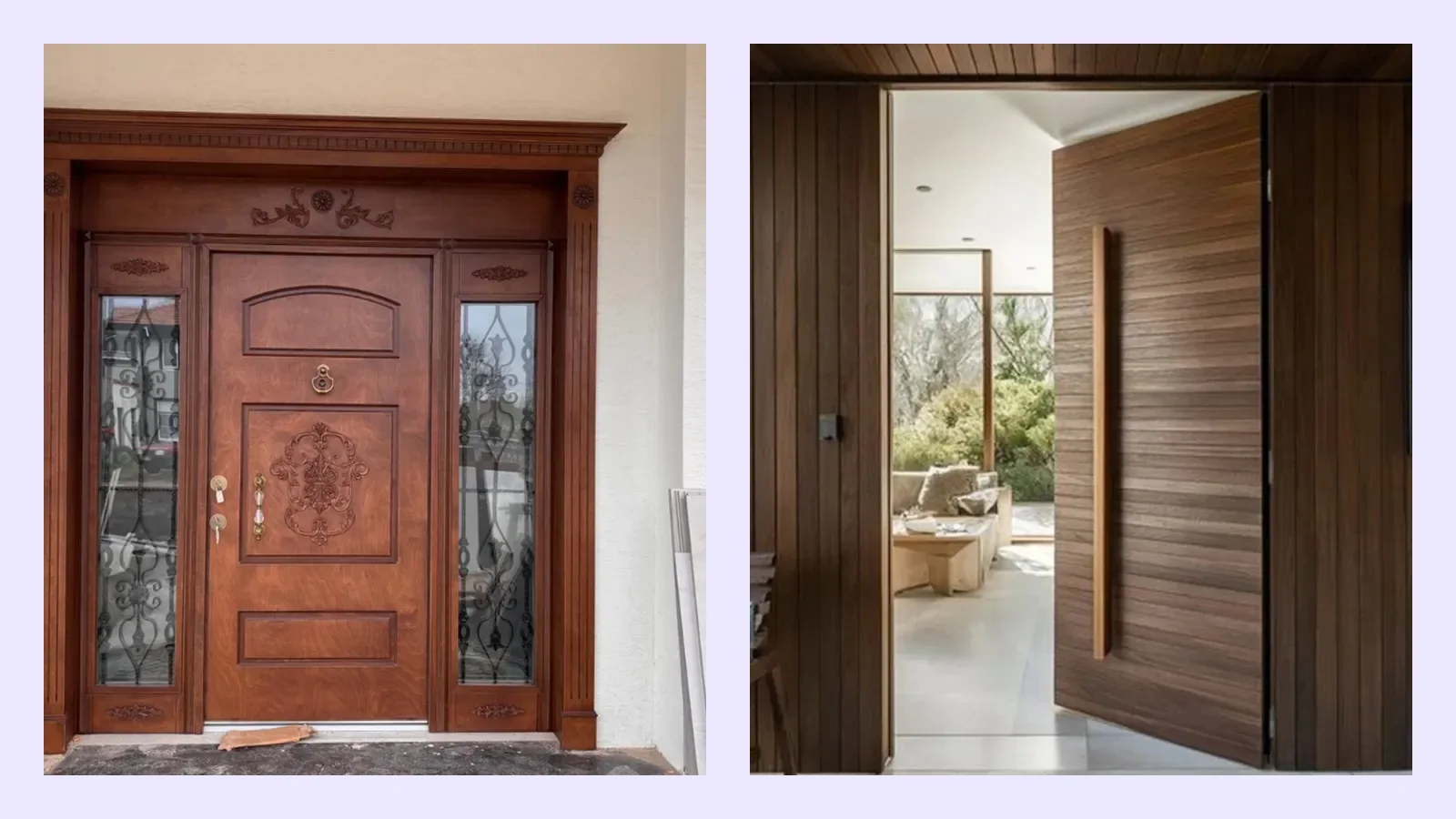
In rustic entrances, wrought-iron detail is still the strongest tool available, but quantity matters. Ornamentation covering the whole leaf usually feels heavy; a single vertical band, a detail around the peephole, or an accent along the handle line is often enough. The thickness of the ironwork should also scale with the façade: fine filigree gets lost against roughly cut stone.
Wondering what your own door needs? Send a photo of your door and entrance to 0532 689 21 46 on WhatsApp. In most cases we can tell just by seeing it; if a site survey is needed, it's free.
In most stone buildings, the door opening isn't a standard size. The jambs may not be plumb, the wall thickness can vary from one side to the other, and the opening itself might be arched. In these situations:
For a rustic look, solid wood is the first option that comes to mind, but the maintenance load outdoors is serious: periodic sanding and oiling or varnishing are needed, or cracking and color loss become inevitable. A wood-textured composite coating gives you the same warmth while removing that maintenance burden. Against a stone façade, the difference is barely noticeable from a few meters away.
Three more things shape the entrance as a whole: lighting (a side-mounted sconce brings out the stone's texture), the threshold stone (it should match the façade stone, not the door color), and an overhang. An overhang is both an aesthetic and a technical decision — by cutting off the rain that falls on the door, it extends the life of the coating.
Yes, but with conditions. A light-colored door disappears against light-toned stone, while against dark stone it creates strong contrast. As a rule, dark stone with a light door, or light stone with a dark door, gives a more legible entrance.
Not when applied correctly. Used in front of glass sections, wrought iron actually increases security. What matters is how the detail is attached to the leaf — it should be welded to the body, not glued to the surface.
There's a labor difference compared to a standard frame, since the frame is custom-built to the shape. But the difference is usually smaller than most people expect; we list it as a separate line item in the quote.
It's hard to recommend a color without seeing the stone's texture. Send a photo of your façade and the door opening to 0532 689 21 46, and let's narrow it down to two or three options together. Our villa door models page is also a good place to start for ideas.
You can ask about your own door, your measurements or your specific area. Our production team reads these and answers here. If you'd like a faster reply, you can message us on WhatsApp.
Not every problem calls for a new door. When is recladding or a part swap enough — and when does the whole door have to go?
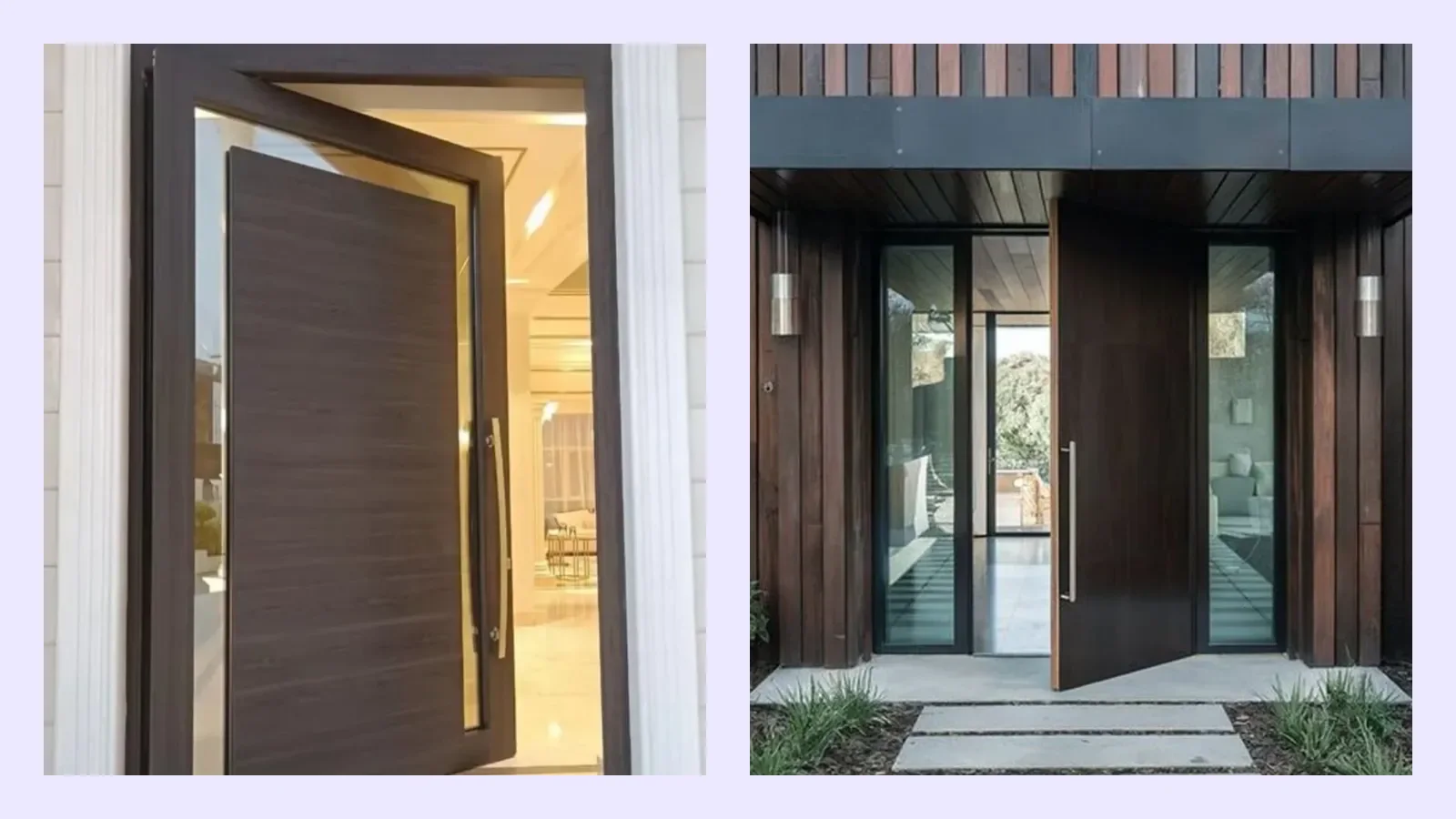
In a villa door, it's clear where costs can be trimmed and where they can't. Skimping on the body and lock cuts security directly — while cladding and glass choices leave real room to save.
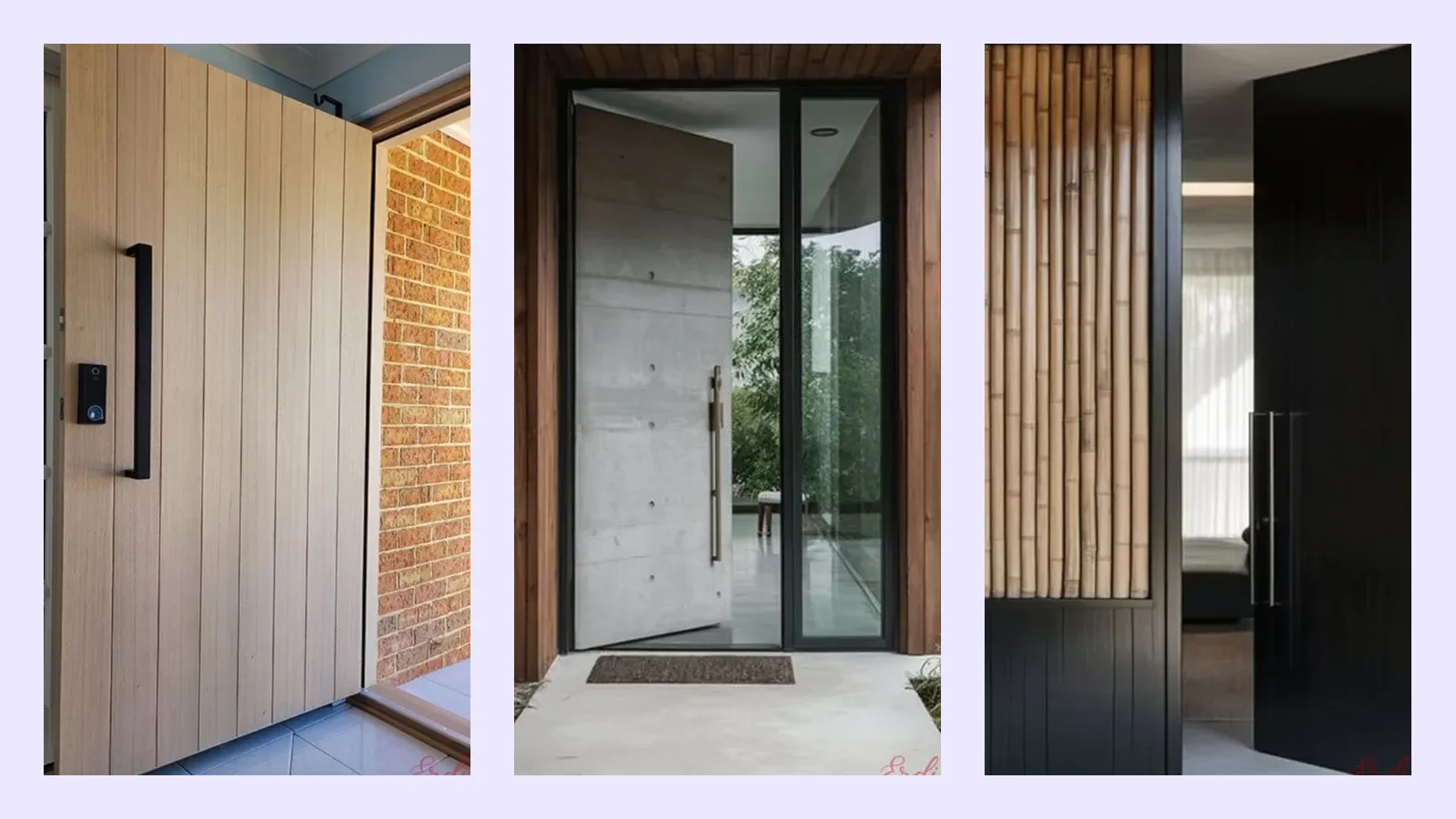
Clear trends are shaping villa entrances in 2026: wider leaves, surfaces that blend into the facade, hidden frames, and a growing appetite for natural texture.