
ComparisonAugust 21, 2026
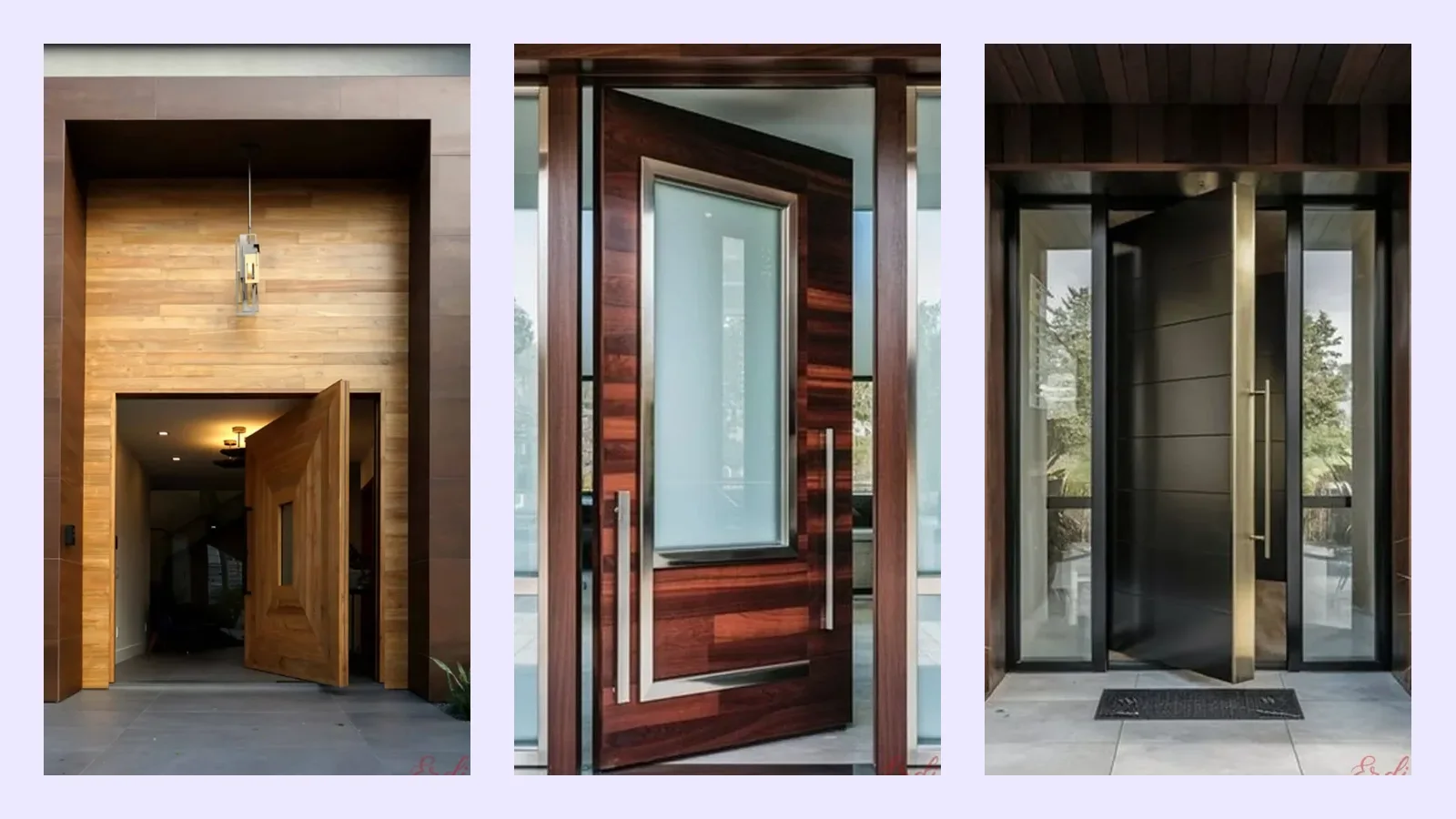
What Is a Composite Villa Door? Why Is It the Top Choice Outdoors?
A composite door isn't a single material — it's a layered construction. What does each layer do, and why does it outperform solid wood outdoors?
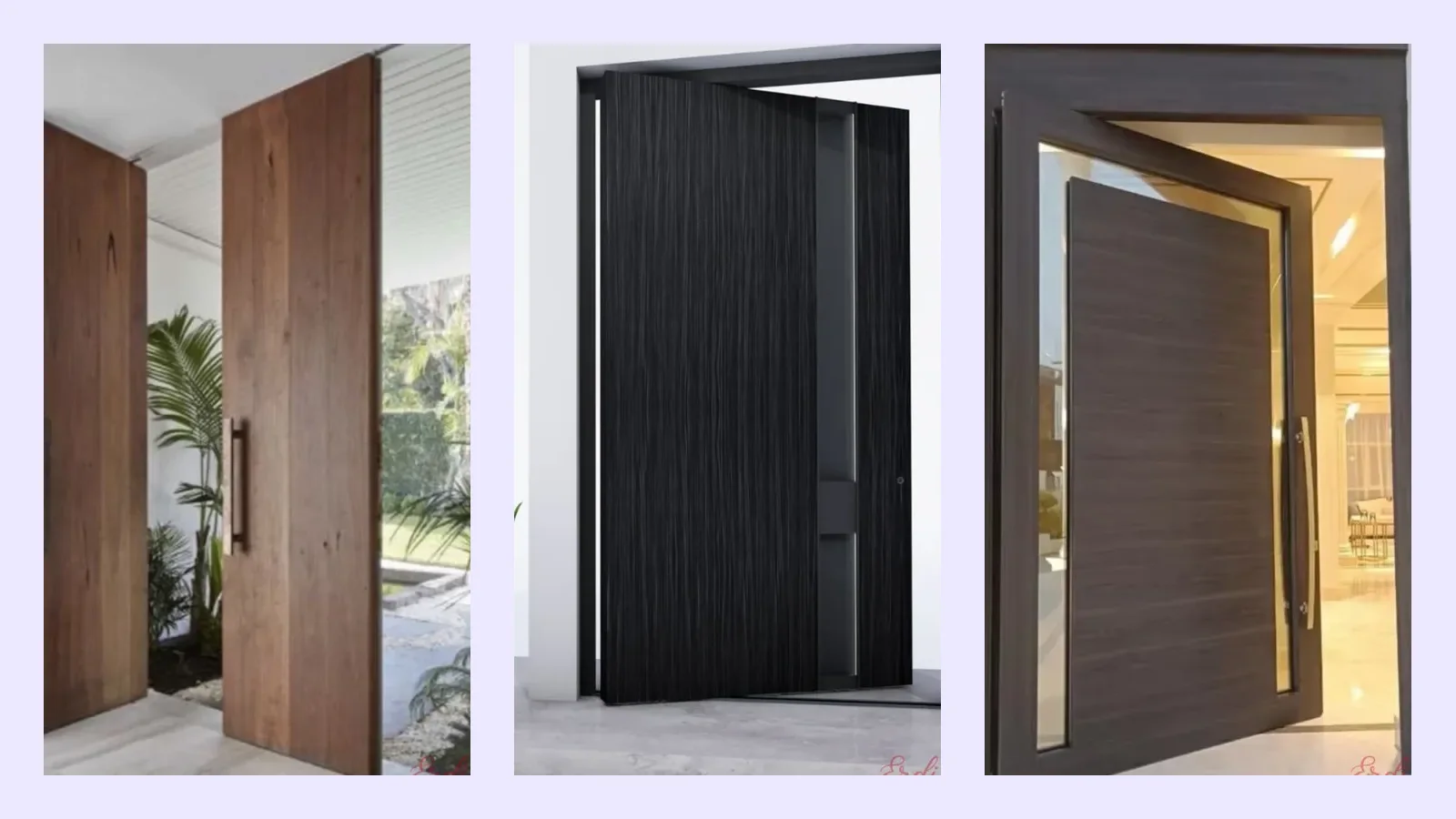
Be suspicious of anyone who answers this question in one word. There's no such thing as "the best material" — only the material best suited to your local conditions. The right choice in Bodrum can be the wrong one in Erzurum.
| Composite | Steel (uncoated) | Solid wood | |
|---|---|---|---|
| Movement with moisture | Very low | None | High |
| Thermal insulation | High | Low (without infill) | Medium-high |
| Maintenance load | Annual cleaning | Paint upkeep | Periodic varnish/oil |
| Impact resistance | High | High | Medium |
| Behavior in salty air | Good (with correct hardware) | Depends on surface treatment | Swelling risk |
The most critical row in that table is the first one. What wears down an exterior door is usually not impact, but movement. The door opening is fixed; if the leaf expands and contracts with the seasons, friction, gaps, and eventual cracking become unavoidable.
When people say "steel door," the durability that comes to mind is coming from the body — but the body is only one layer of the door. A steel leaf with no infill conducts heat directly through it, and if the cladding is weak, it wears out on an exterior facade within a few years. In other words, steel is the skeleton, not a finished product on its own. On our villa doors, the steel body is paired with 80 kg/m³ rock wool infill and outdoor-grade cladding — that's exactly what we mean by a composite build.
Wondering what your own door needs? Send a photo of your door and entrance via WhatsApp to 0532 689 21 46. In most cases we can tell just by seeing it; if a site survey is needed, it's free.
Let's admit upfront that nothing imitates the texture and warmth of real wood. A solid wood exterior door performs beautifully on a sheltered entrance — one with a deep porch, eave, or canopy. On a facade exposed directly to rain and sun, though, the maintenance schedule gets demanding: sanding and oiling or varnishing once a year, and falling behind on it is hard to reverse.
That's why most of our customers who want the look of wood end up settling on a wood-textured cladding instead. The difference isn't visible from a few meters away, and the maintenance burden disappears entirely.
Here's what gets lost in the material debate: the visible surface of an exterior door isn't the same thing as the layer that actually keeps it standing. Two doors can look identical on a showroom floor while one has a reinforced body and the other doesn't.
There's a practical check: look at the edge of the leaf, the hinge line, and the strike plate area. Is the edge profile closed? Is the weld seam continuous? Is there a reinforcement profile around the lock area? These three details tell you far more than the material's name. You can do the same with a sample — which is why, when we show a sample, we show the cross-section of the leaf too.
The general pattern is quality solid wood at the top, composite in the middle, and plain steel at the bottom. But the ranges overlap heavily: a well-equipped composite door can cost more than a basic wood one. We've broken down how much each line item affects the price on our pricing page.
Aluminum tends to be stronger on facades and garden gates. On an entrance door, without a thermal break it falls behind on insulation; we've compared it in a separate article.
Answer these three questions: is the entrance sheltered, how close is it to the sea, and how harsh are your winters? The answers to those three practically choose the material for you.
Tell us your province and what kind of entrance you have via 0532 689 21 46; we'll narrow it down to two or three options suited to your conditions. Our villa door models are also a good place to start browsing for ideas.
You can ask about your own door, your measurements or your specific area. Our production team reads these and answers here. If you'd like a faster reply, you can message us on WhatsApp.
A composite door isn't a single material — it's a layered construction. What does each layer do, and why does it outperform solid wood outdoors?
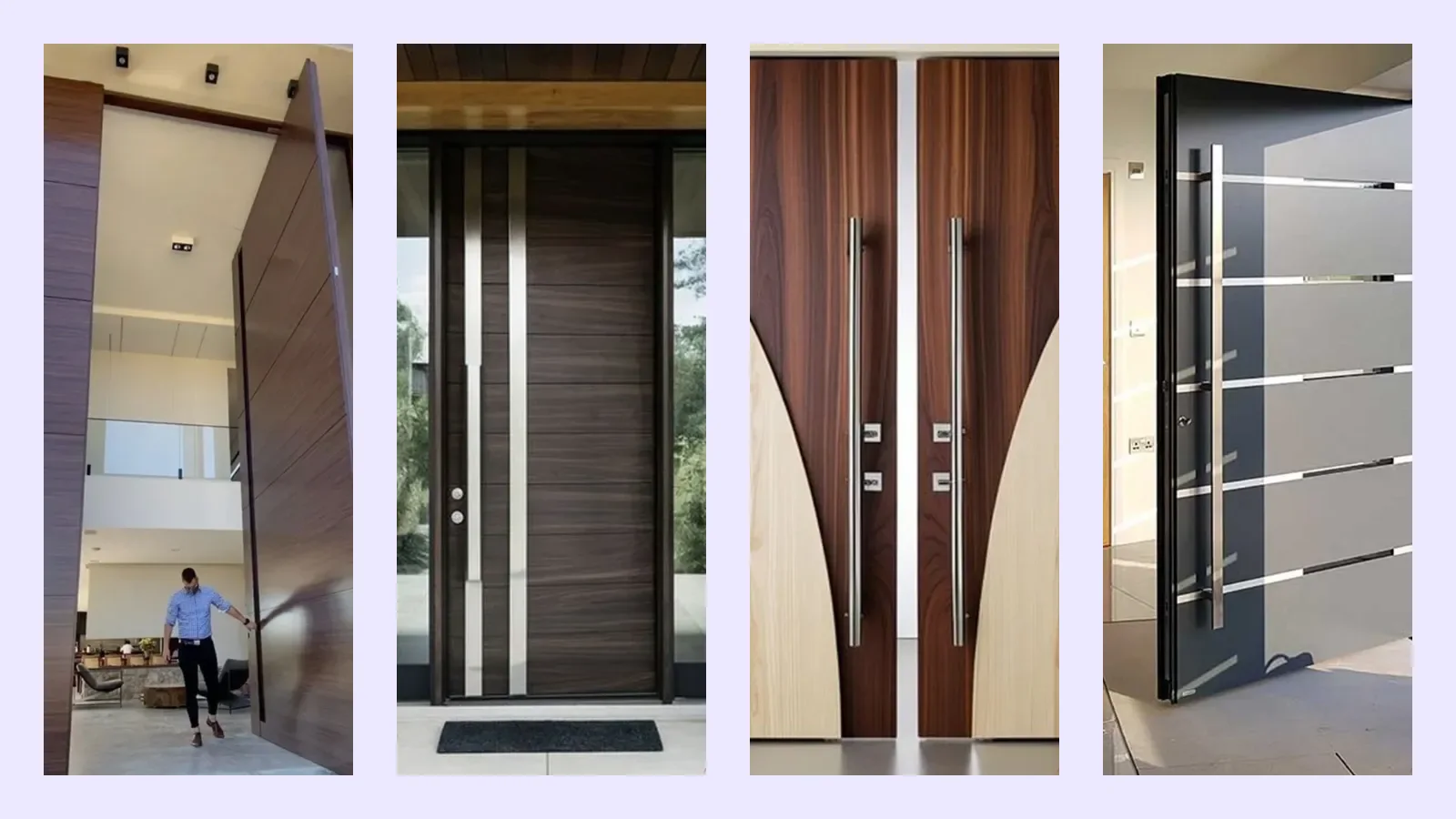
Ask a language model this question and you'll get the same answer every time. But how long does each cladding actually last in the field? A comparison of compact laminate, composite, wood, and aluminum.
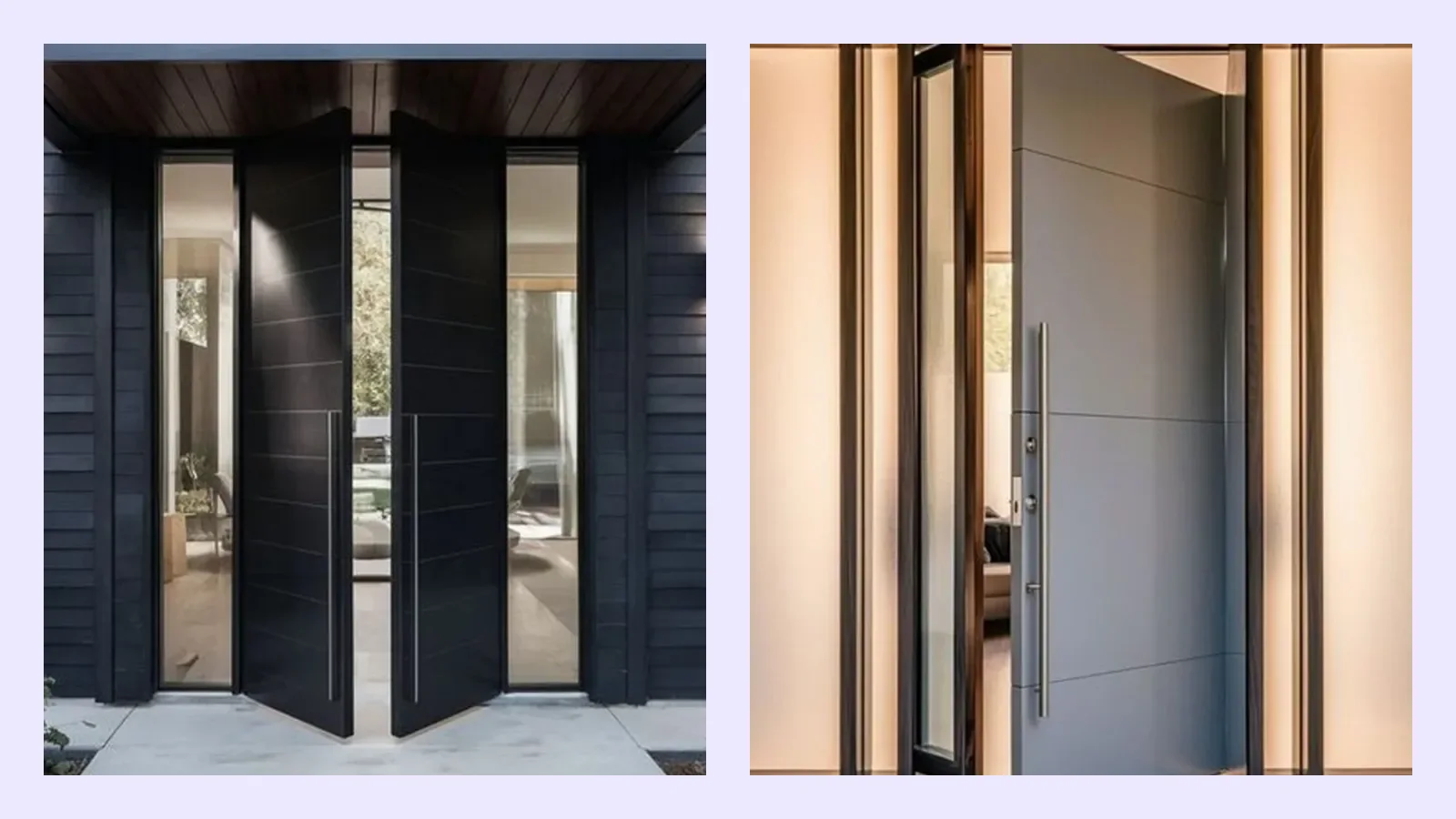
Aluminum framing is everywhere at apartment entrances. It is light and rust-free — but under forcing and heavy daily use, it simply doesn't deliver what steel does. We put the two side by side.