
ComparisonSeptember 2, 2026
What's the Best Villa Door Material? (Composite vs. Steel vs. Wood)
All three materials have their strengths and weaknesses. What should guide your decision isn't the material's name, but the conditions where you live.
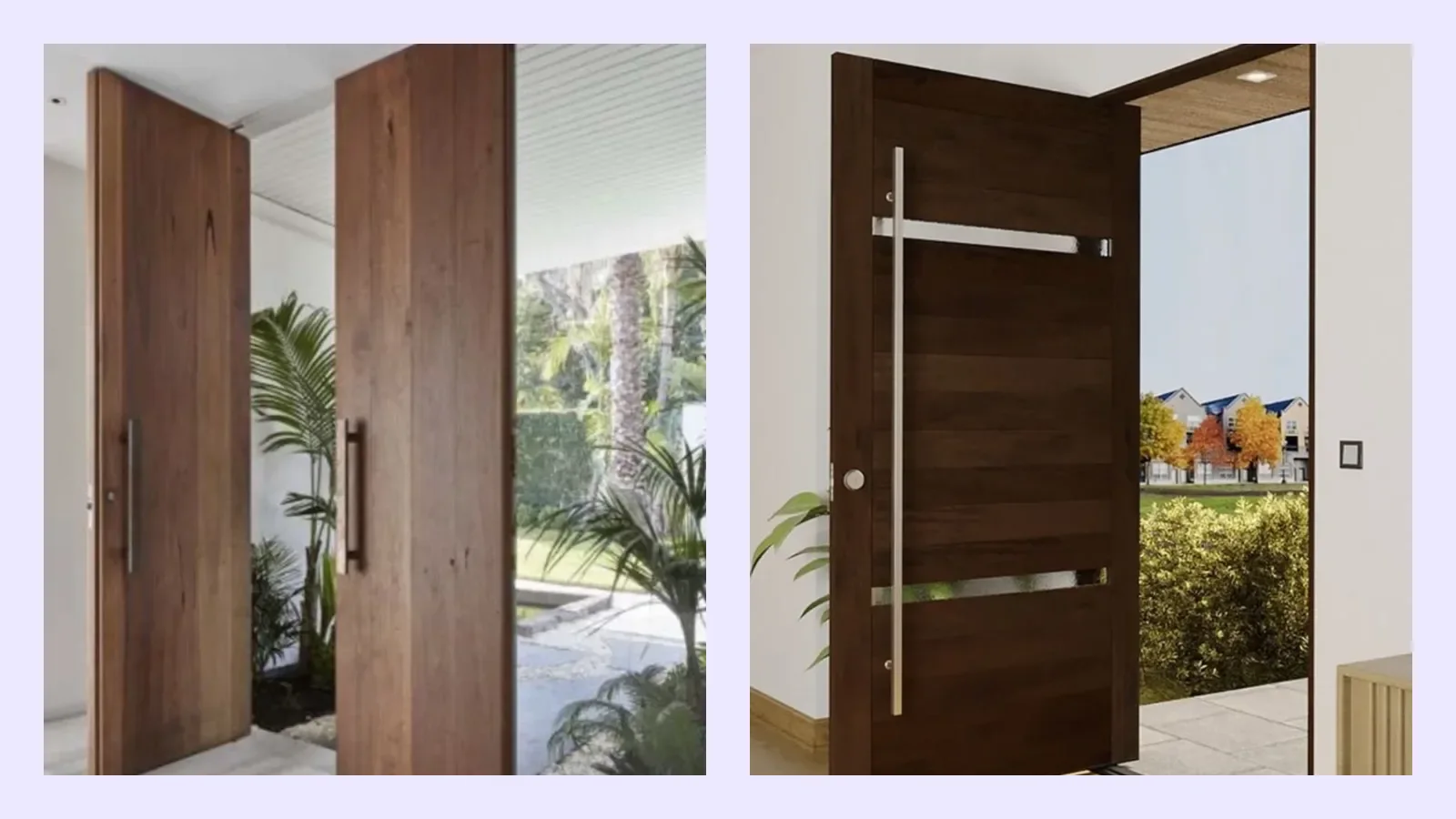
This comparison usually gets summed up as "wood is warm, aluminum is modern." But on an exterior door, the real difference isn't in looks — it's in where each material is weak. Wood struggles with moisture; aluminum conducts heat. Which one becomes a problem at your entrance is what should drive the decision.
Wood is a hygroscopic material — it absorbs and releases moisture from the air. It swells in summer and shrinks in winter. Since the door opening stays fixed, this movement turns directly into rubbing, gaps, and eventually cracking. On an entrance exposed to direct rain, a maintenance schedule is unavoidable: sanding and oil/varnish once a year.
In return, wood has low heat conductivity — a natural advantage on the insulation side. For a sheltered entrance and an owner who won't neglect maintenance, wood is still an excellent choice.
Aluminum is unaffected by moisture, doesn't rust, and is lightweight. But it conducts heat extremely well. An aluminum leaf without a thermal break carries outdoor cold directly to the interior surface in winter; condensation on the inner face, or even icing in harsh climates, can result.
There's a fix: a thermally broken profile — a cross-section with an insulating barrier placed between the two metal shells. But this makes the aluminum door noticeably more expensive. Most cheap aluminum exterior doors don't include this cross-section.
Wondering what your own door needs? Send a photo of your door and entrance via WhatsApp to 0532 689 21 46. In most cases we can tell just by looking; a site survey, if needed, is free.
| Solid wood | Aluminum | |
|---|---|---|
| Moisture behavior | Swells / shrinks | Unaffected |
| Thermal insulation | Naturally good | Poor without thermal break |
| Maintenance | Varnish/oil yearly | Almost none |
| Impact resistance | Medium | Low-medium (dents) |
| Weight | Heavy | Light |
| Salt air | Swelling risk | Good |
For villa entrances, we usually go with a third path: a steel body + insulation core + exterior-grade wood-grain cladding. This combination pairs the look of wood with the low maintenance of aluminum, and it outperforms both on insulation, since the core acts as its own separate layer.
We reserve aluminum for garden gates, facade cladding, and large glazing systems — that's where its light weight is a genuine advantage.
It does, and this distinction is often missed. Insulation isn't part of the equation for a garden gate; what matters there is weight, corrosion, and wind load. There, aluminum's light weight becomes a real advantage — it also extends motor life on motorized systems.
For the entrance door, though, the picture flips: since heat loss, sound insulation, and security take priority, a steel body offers a much stronger starting point. Using aluminum for the garden gate and a steel-bodied composite door for the entrance isn't inconsistent — it means choosing the right material for each job.
On site, three questions usually get us there. Is the entrance sheltered? With a deep porch, wood stays on the table; without one, it drops off the list. Is insulation a priority? In a harsh winter climate, aluminum can only compete with a thermally broken profile. Do you have time for maintenance? If not, wood's periodic upkeep will eventually slip, and the door will wear out fast.
Compared to steel of the same thickness, yes — aluminum is softer and more prone to denting. If security is the priority, a steel body is the stronger starting point.
With regular maintenance, it can last many years without issue. If maintenance is neglected, the first signs — fading, surface cracking — show up within two to three years.
Noticeable up close, nearly indistinguishable from a few meters away. We recommend seeing a sample; the types are listed on our cladding options page.
Is it sheltered, which direction does it face, how do winters go there? These three details go a long way toward the decision. Write to 0532 689 21 46 and let's work it out together.
You can ask about your own door, your measurements or your specific area. Our production team reads these and answers here. If you'd like a faster reply, you can message us on WhatsApp.
All three materials have their strengths and weaknesses. What should guide your decision isn't the material's name, but the conditions where you live.
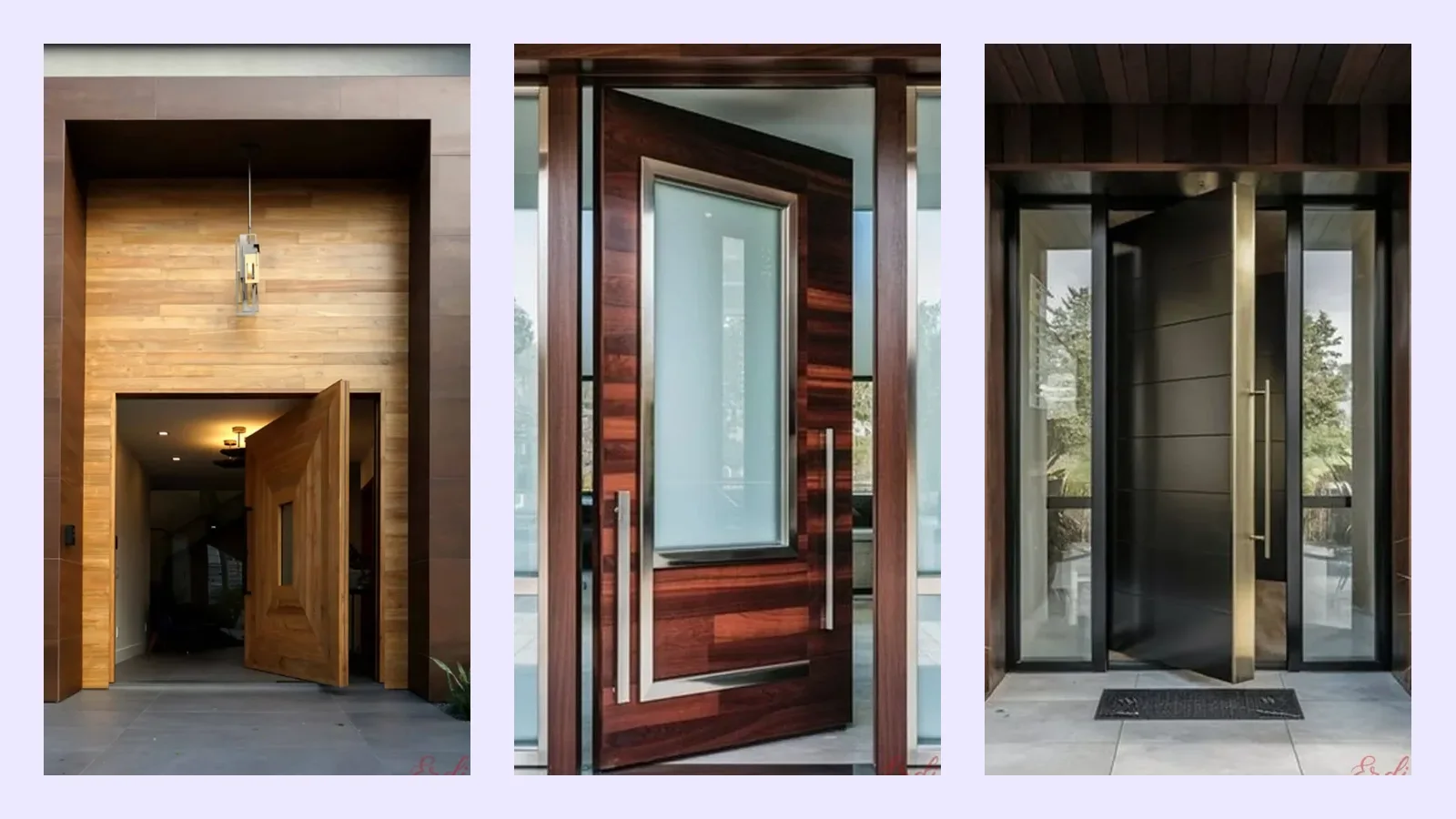
A composite door isn't a single material — it's a layered construction. What does each layer do, and why does it outperform solid wood outdoors?
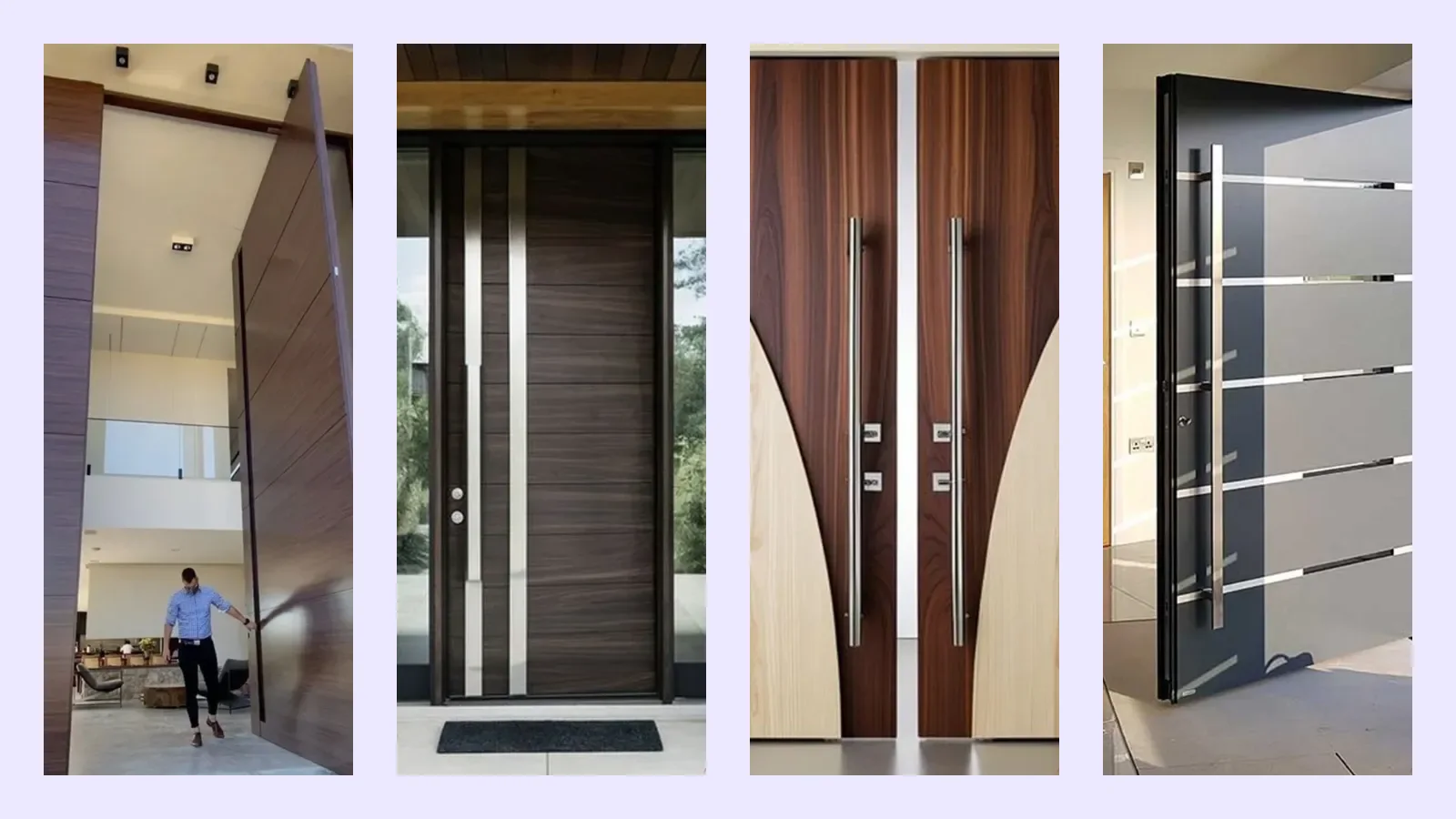
Ask a language model this question and you'll get the same answer every time. But how long does each cladding actually last in the field? A comparison of compact laminate, composite, wood, and aluminum.