
TechnicalAugust 28, 2026
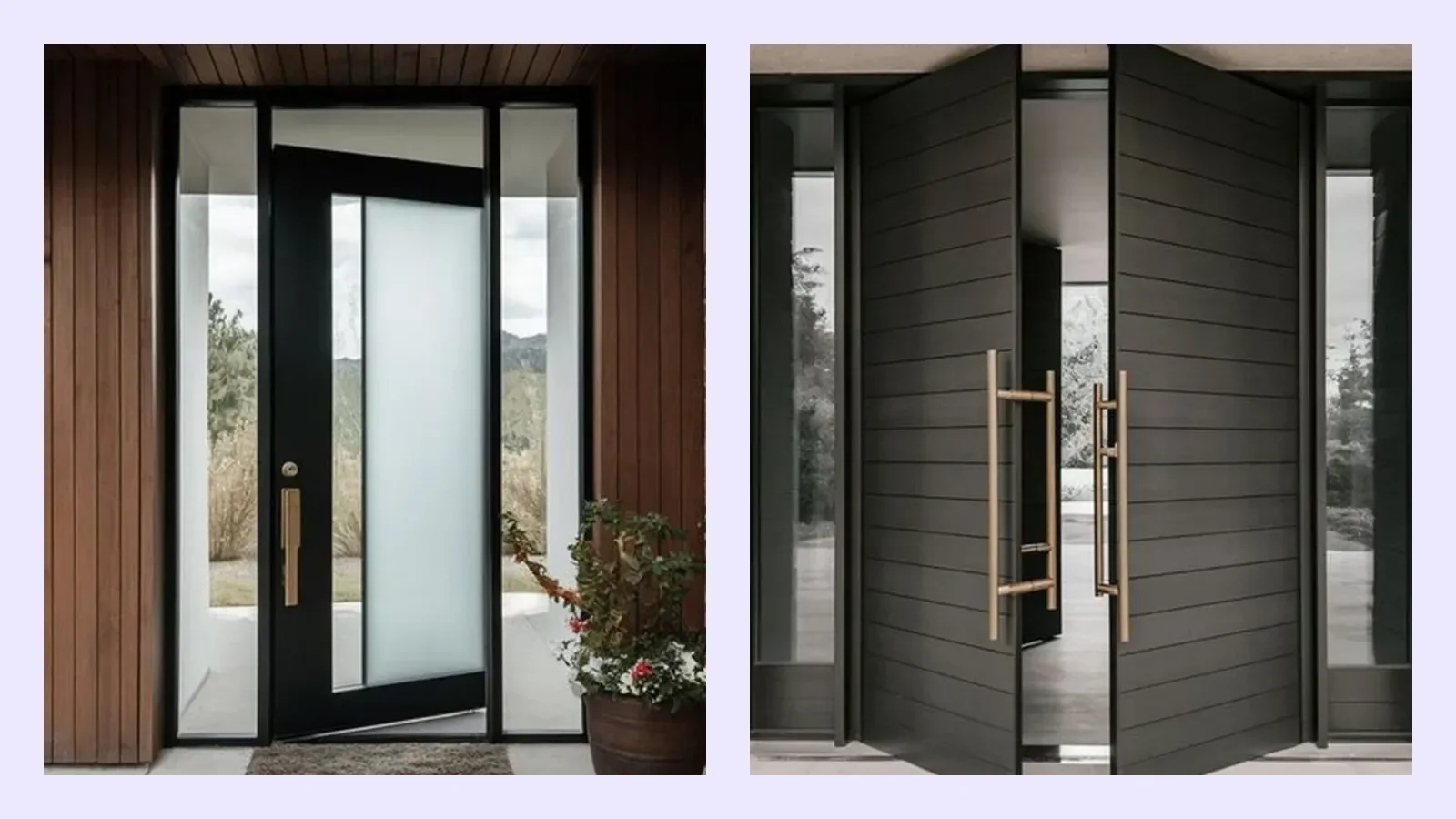
How Much Force Can a Villa Door's Lock System Withstand?
No door is "unbreakable" — a good door buys time. The methods used to force entry, the countermeasure for each, and a realistic expectation.
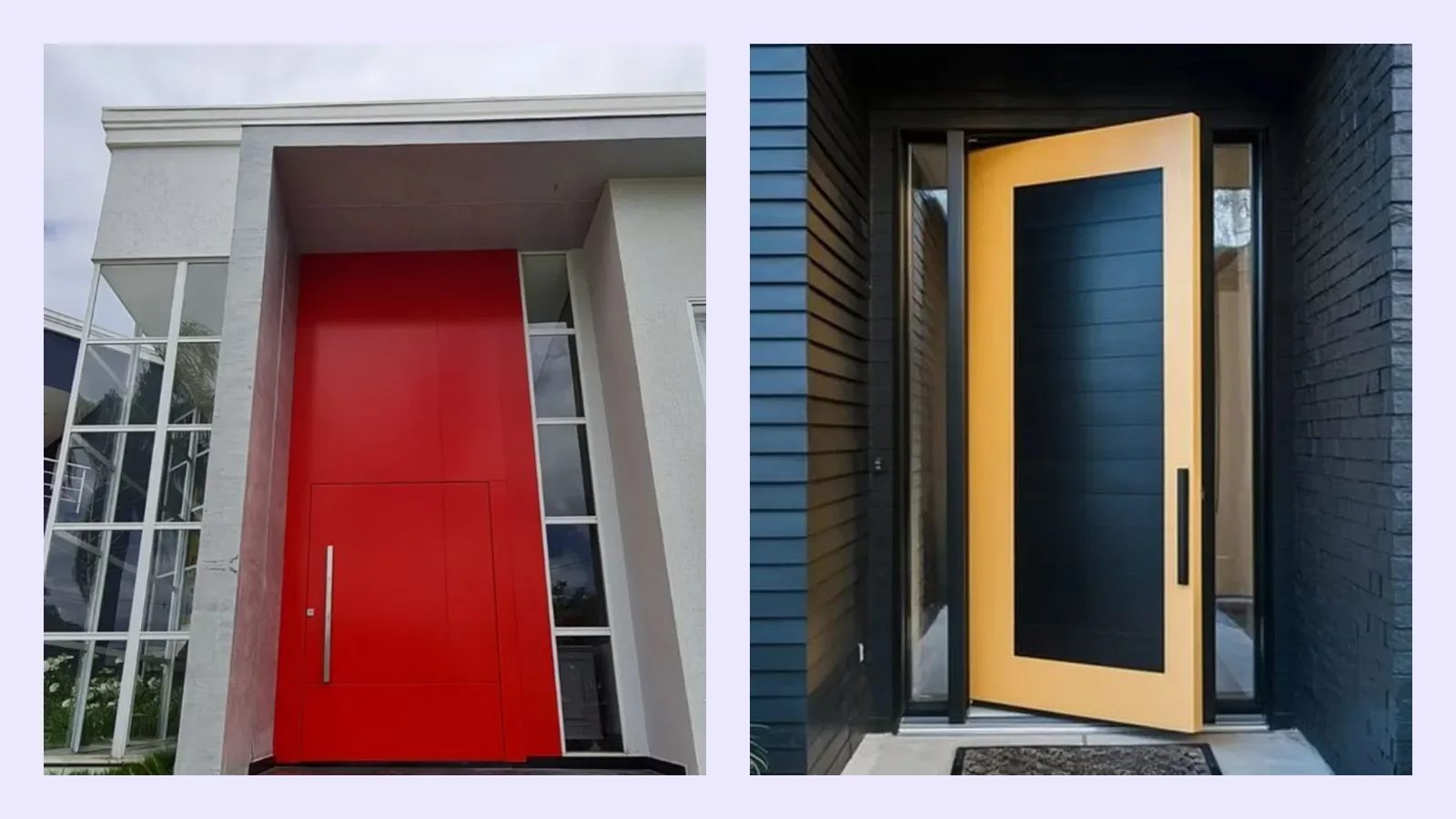
If your door's color has gone matte within three years and a chalky powder is forming on the surface, what you're looking at isn't dirt — it's ultraviolet light breaking down the paint pigment. The good news is this is entirely preventable — but the prevention happens when the door is manufactured, not afterward.
Paint is made of two things: the pigment that gives it color, and the resin that holds the pigment together. The UV component of sunlight attacks the resin first. As the resin breaks down, pigment migrates to the surface and leaves a residue on your finger when you touch it — that's called chalking. Color loss is the visible side of the same process.
A powder coat formulated for indoor use goes through this process quickly outdoors. Exterior-grade paints are formulated with a resin system built to withstand UV; the difference shows directly in how many years the door keeps looking like new.
On south- and west-facing facades, color isn't purely an aesthetic call. Dark colors absorb light; on a summer afternoon, a dark door's surface temperature can climb noticeably above the air temperature. That heat puts three things under strain at once:
Wondering what your own door needs? Send a photo of the door and the entrance via WhatsApp to 0532 689 21 46. In most cases we can tell just by looking; if a site survey is needed, it's free.
| Facade | Sun load | Recommendation |
|---|---|---|
| North | Low | No restriction on color |
| East | Morning, moderate | Dark colors work fine |
| West | Afternoon, high | UV-resistant system essential |
| South | All day, highest | Mid/light tone + UV system, shade if possible |
If there's a porch or overhang, this table largely stops applying — a door that sits in shade has complete freedom of color choice. That's why what's above the door is one of the first things we check at the site survey.
Partially. Cleaning off the chalky layer and applying a polish restores some of the appearance, but it isn't permanent. The lasting fix is repainting, and that means removing the door and baking on a new finish — spray-painting on site doesn't hold up outdoors long-term. The door's age and overall condition should factor into that decision; we cover the question of refurbishing versus replacing in a separate article.
On a sun-facing facade, a glazed section on the door heats up not just the door but the entrance hall behind it too. Two solutions work here: heat-control (low-e) glass and repositioning the glazed area. The second is often both cheaper and more effective — turning a wide panel into a narrow vertical strip preserves the light while noticeably cutting the heat load.
Reflective (mirrored) glass comes up often in this climate too. It helps on the heat side, but at night you lose visibility from inside to outside — privacy expectations flip. Worth discussing before deciding.
With standard paint, the risk is real. With an exterior-grade, UV-resistant powder coat, that risk drops significantly. We've made this our standard practice in Antalya and the southeast.
Its protective value is limited but it doesn't hurt either. The real difference comes from the right paint system — polish doesn't substitute for a good one.
Not expected on exterior-grade versions. Most fading cases come from an indoor-grade cladding being used outdoors.
Which way the door faces and whether there's an overhang above it directly change the color decision. Send a photo of your entrance to 0532 689 21 46, and we'll tell you which system you need.
You can ask about your own door, your measurements or your specific area. Our production team reads these and answers here. If you'd like a faster reply, you can message us on WhatsApp.
No door is "unbreakable" — a good door buys time. The methods used to force entry, the countermeasure for each, and a realistic expectation.
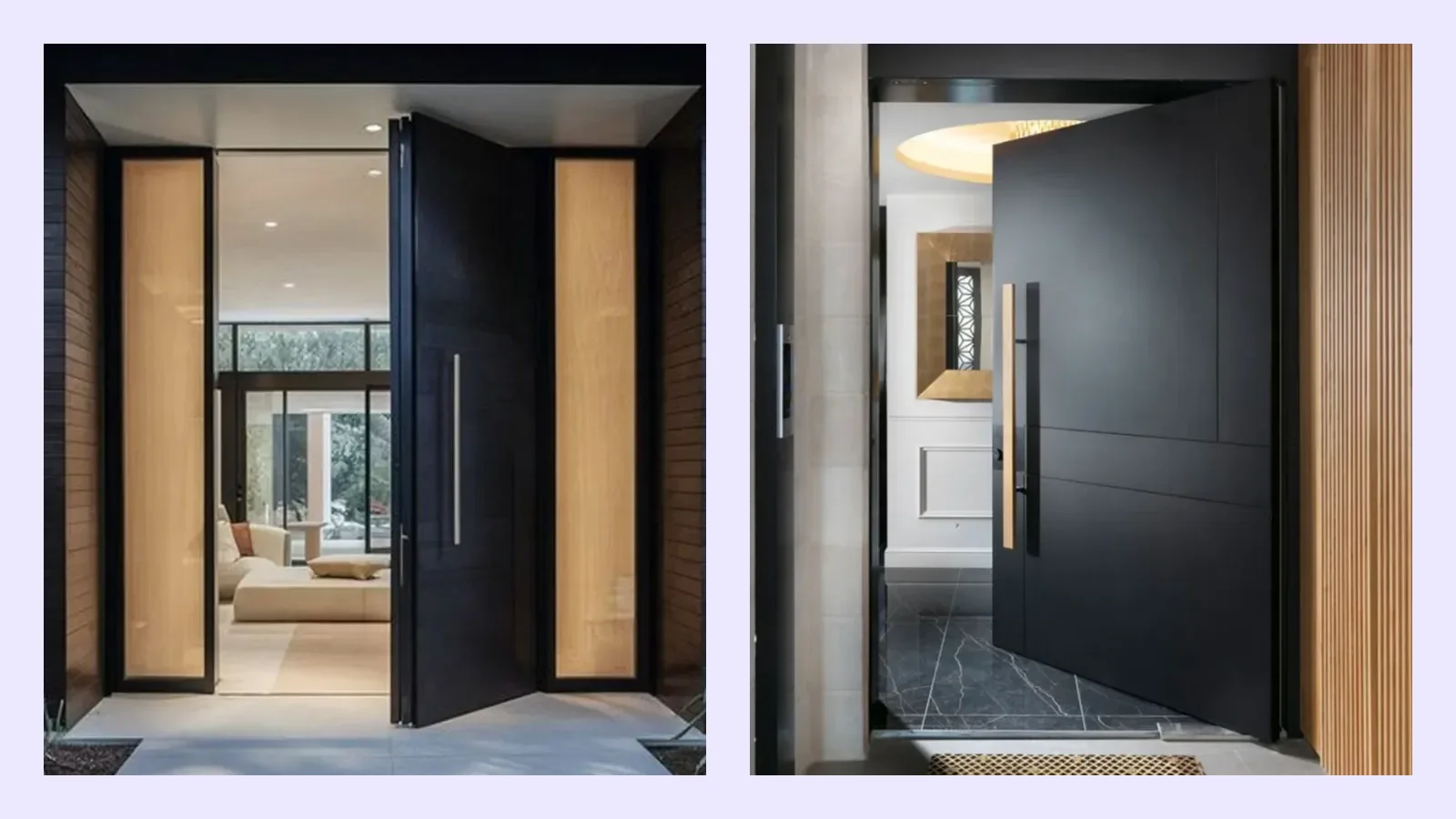
Install the sub-frame at the right time and to the right dimensions, and door fitting drops to half a day. Get it wrong, and the plaster, marble and door all have to be redone.
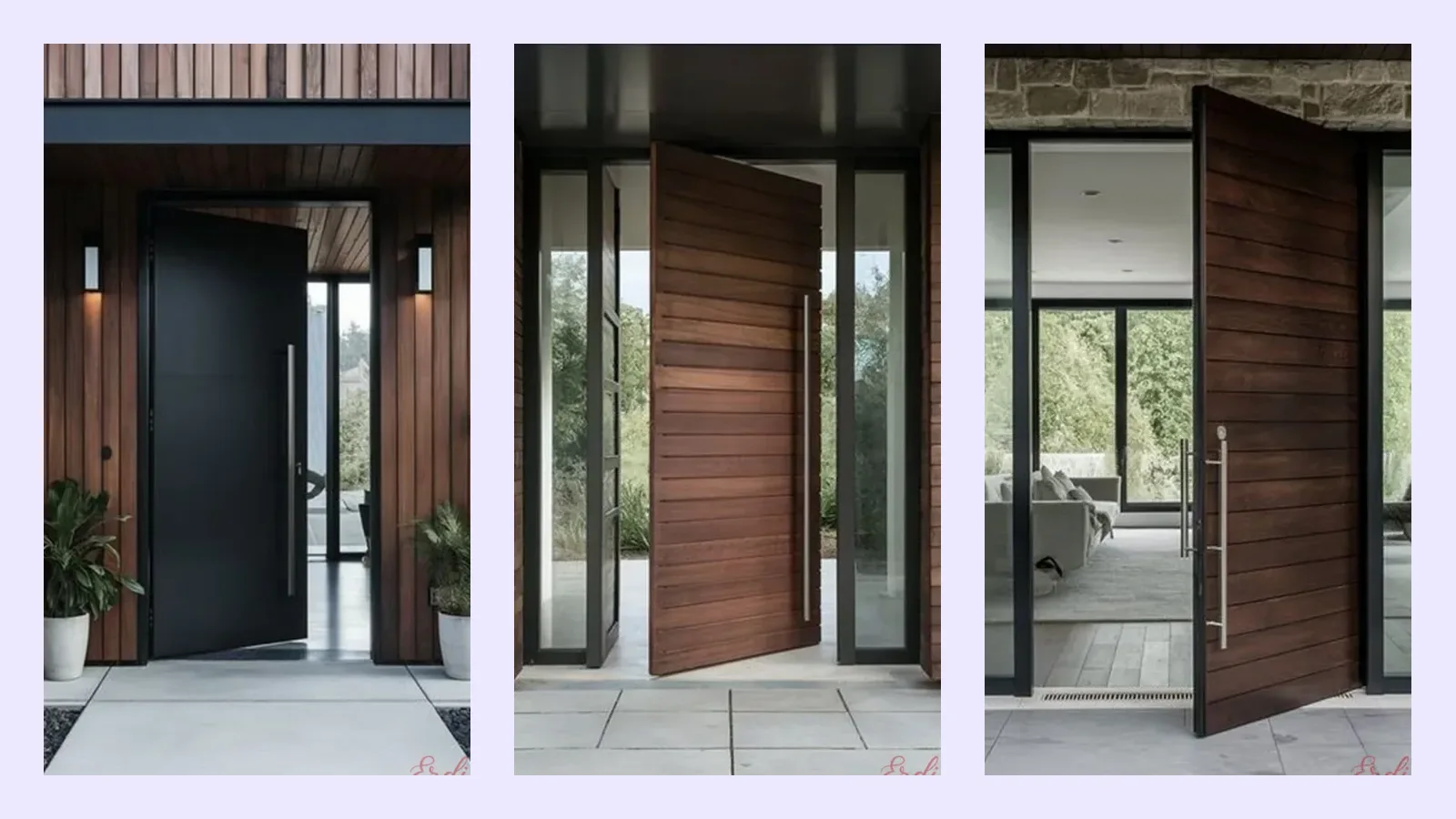
Whether a steel door rusts depends not on the door itself but on the surface treatment and the local air. Where rust starts and how it's stopped.