
GuideAugust 16, 2026
Steel Door Replacement: Renew the Existing Door, or Replace It?
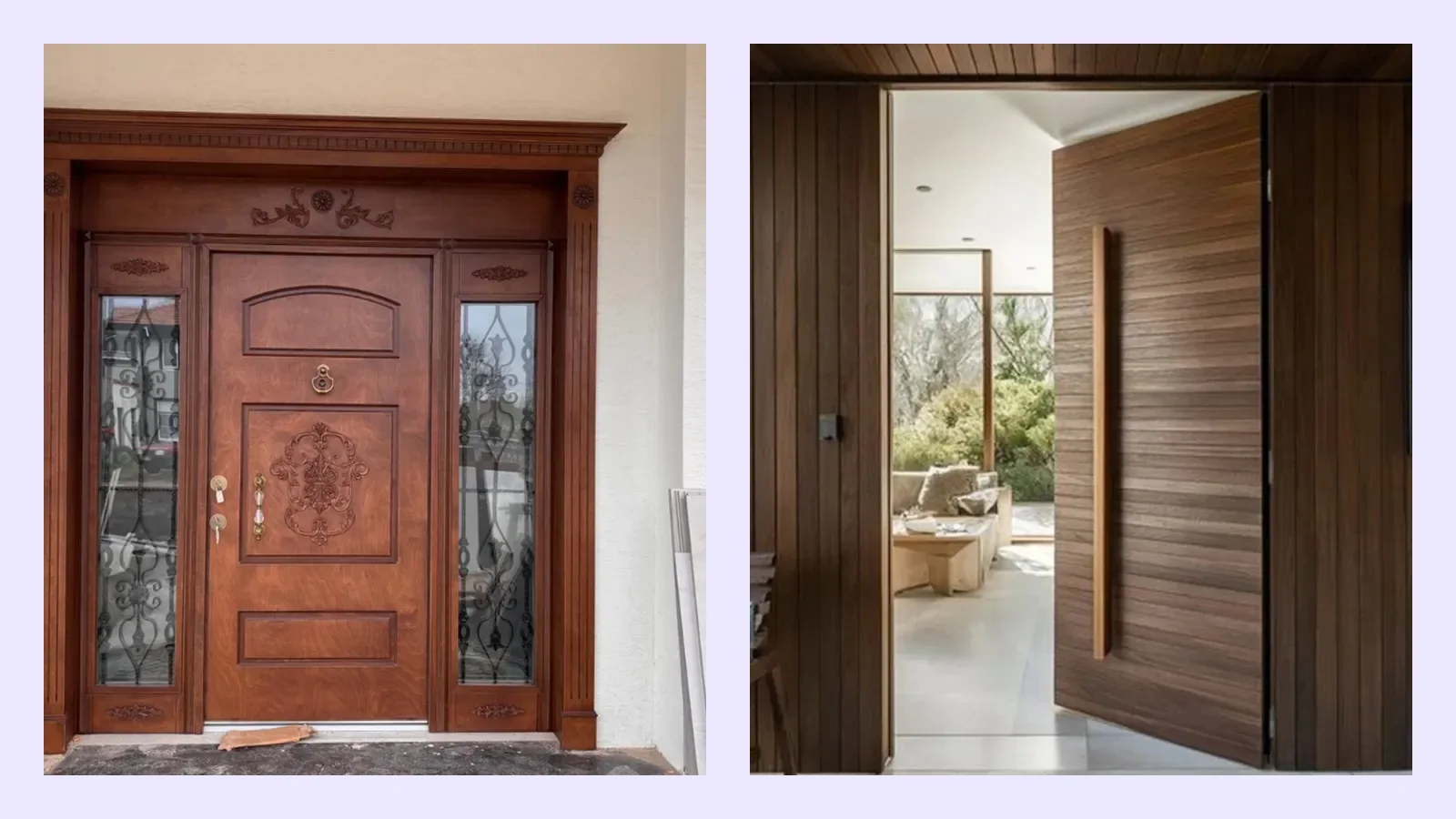
Not every problem calls for a new door. When is recladding or a part swap enough — and when does the whole door have to go?
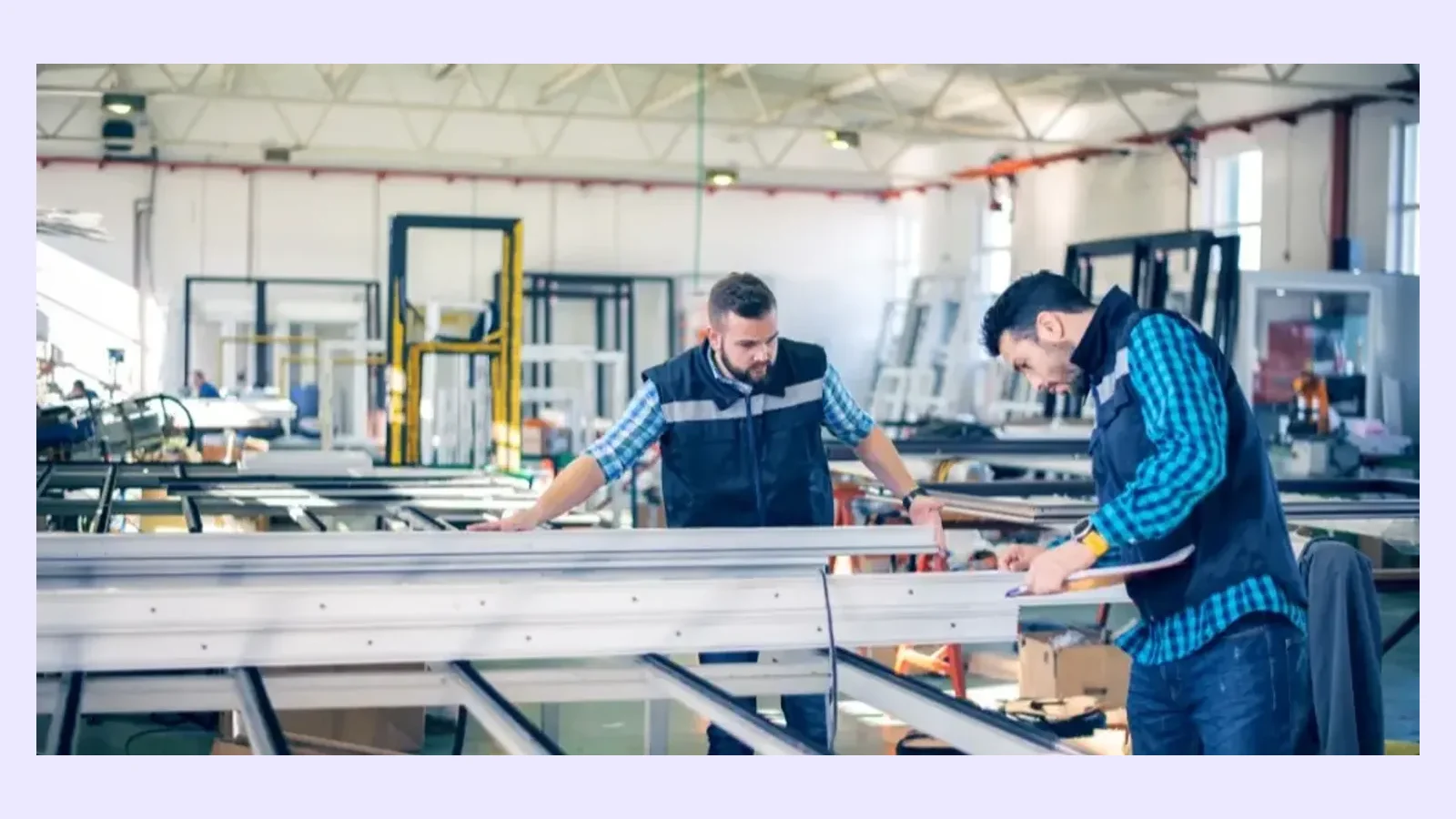
Most places that sell steel doors aren't manufacturers. A buyer looking at a showroom door usually can't tell the difference — that distinction only becomes clear once something goes wrong. In this article, we explain where the two models diverge, and when each one is the right call.
Buy from a dealer, and the chain runs: you → dealer → manufacturer → installation crew (often a subcontractor). When there's a measurement error, a delay, or a defect, each link can point to the next one. Buy from the manufacturer, and the chain has a single link: the same company took the measurement, built the door, and installed it.
This isn't a criticism — dealership is a legitimate model, and plenty of dealers do good work. It's simply about knowing where responsibility sits before you decide.
| Dealer | Manufacturer | |
|---|---|---|
| Responsibility | Spread across the chain | A single point of contact |
| Custom sizing | Limited to what the manufacturer allows | Handled directly on the production line |
| Custom requests | Usually confined to the catalog | Project-based solutions possible |
| Lead time | Order passes through to the manufacturer; extra time added | Goes straight into the production schedule |
| Service / spare parts | Depends on the manufacturer | Direct |
| Seeing the production | Not possible | Factory visits available |
| Price | Includes a middleman's margin | No middleman |
This is where the difference is most concrete. A dealer sells within the size range the manufacturer already produces. If your opening falls outside that range, you either hear "it can't be done," or you get the closest standard size with the gap packed with filler — which creates the weakest point for both insulation and security.
For a manufacturer, a non-standard size isn't an exception — it's routine work. We don't sell off-the-shelf sizes at all; every door is built to a measurement taken on site. We wrote about how that measurement is taken in our measurement guide.
A door stays in service for twenty years; over that time, seals get replaced, cylinders get replaced, hinges need adjusting. If a dealer closes or stops working with the manufacturer, getting spare parts becomes a problem. Buy from the manufacturer, and the part is already sitting on the production line.
With us, service and spare-parts support continue even after the warranty period ends — details on our warranty and service page.
A simple test: ask, "Can I visit your factory?" For a manufacturer, that's an ordinary request. Another test is asking for technical detail: steel sheet thickness, fill density, reinforcement dimensions, lock brand. A manufacturer knows these numbers; a middleman usually just reads back what's in the catalog.
Let's be honest: for standard sizes, a catalog selection, and a quick turnaround, a dealer can be practical — especially in cities where the manufacturer has no presence, where local service is a real advantage. The decision comes down to whether the job needs custom sizing and custom solutions.
Bayrakdoor Çelik Kapı is a manufacturer. Production takes place at our own factory in Gaziosmanpaşa, Istanbul; installation is handled by our own team, and so is service. Our brand is registered with the Turkish Patent and Trademark Office under number 2021/143545. You're welcome to visit our factory whenever you like — the most concrete proof of a manufacturer is the place where it actually manufactures.
Our full production standard is documented on our Production, Documents & Brand page.
It's true that buying without a middleman has a price advantage, but it shouldn't be overstated — dealership is a legitimate business model, and a dealer does provide real service: local availability, a showroom, the first point of contact after a sale. The difference amounts to the middleman's margin, and it's independent of the door's technical specifications.
The real difference shows up not in price but in flexibility: when you ask for a custom size, a custom color, or a solution outside the catalog, a manufacturer can answer "yes, we can do that" directly; a middleman has to ask and get back to you. For a standard job that difference is barely noticeable — for a custom one, it's decisive.
No — usually the opposite. An order placed through a dealer first passes to the manufacturer; that's an extra link and extra time. With a manufacturer, the order goes straight into the production schedule.
Yes. Production takes place at our factory in Gaziosmanpaşa, Istanbul, and you're welcome to come see the process in person whenever you like. Just call to arrange a time.
Yes — we complete projects across different provinces nationwide. Measurement, production, and installation work the same way; scheduling around distance is handled during the site survey.
Ask for technical detail: steel sheet thickness, fill density, reinforcement dimensions, lock brand. A manufacturer knows these numbers. The second test is asking to see the factory — for a manufacturer, that's an ordinary request.
You can see doors already manufactured at the factory along with cross-section samples; every model in the catalog also comes with real installation photos. We send samples for coatings and colors.
In Istanbul and the surrounding area, service is handled by our own team. For other provinces, scheduling depends on distance — we give you a firm date once we have your request.
Directly from the manufacturer. With no middleman involved, the invoice, warranty document, and service record all sit with the same company — so when a claim comes up years later, the record is in one place.
Erdi Yavuz — Founder of Bayrakdoor Çelik Kapı. Over 20 years of experience manufacturing steel doors. Production takes place at our own factory in Gaziosmanpaşa, Istanbul; measurement, manufacturing, and installation are all handled by the same team.
You can ask about your own door, your measurements or your specific area. Our production team reads these and answers here. If you'd like a faster reply, you can message us on WhatsApp.
Not every problem calls for a new door. When is recladding or a part swap enough — and when does the whole door have to go?
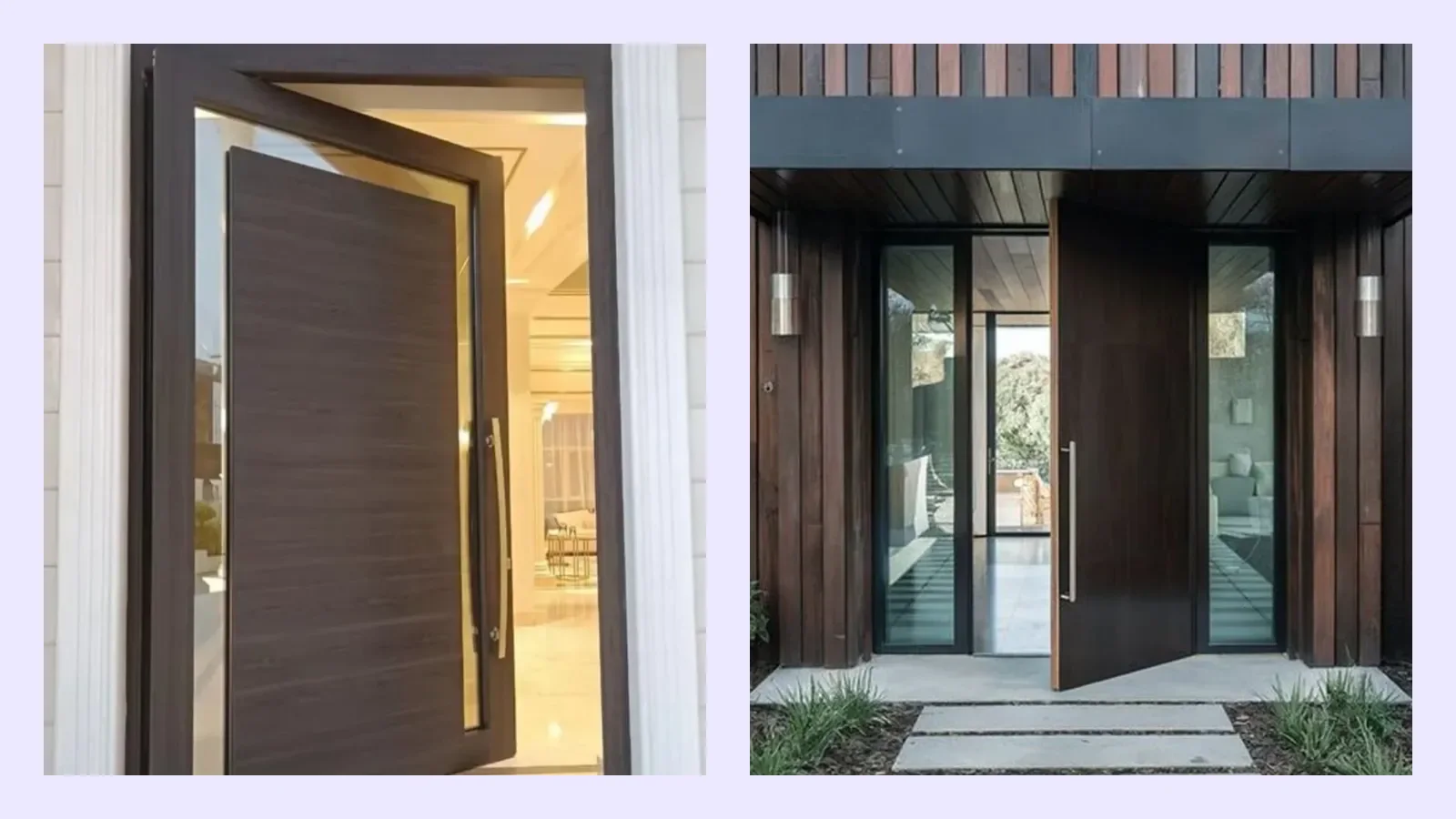
In a villa door, it's clear where costs can be trimmed and where they can't. Skimping on the body and lock cuts security directly — while cladding and glass choices leave real room to save.
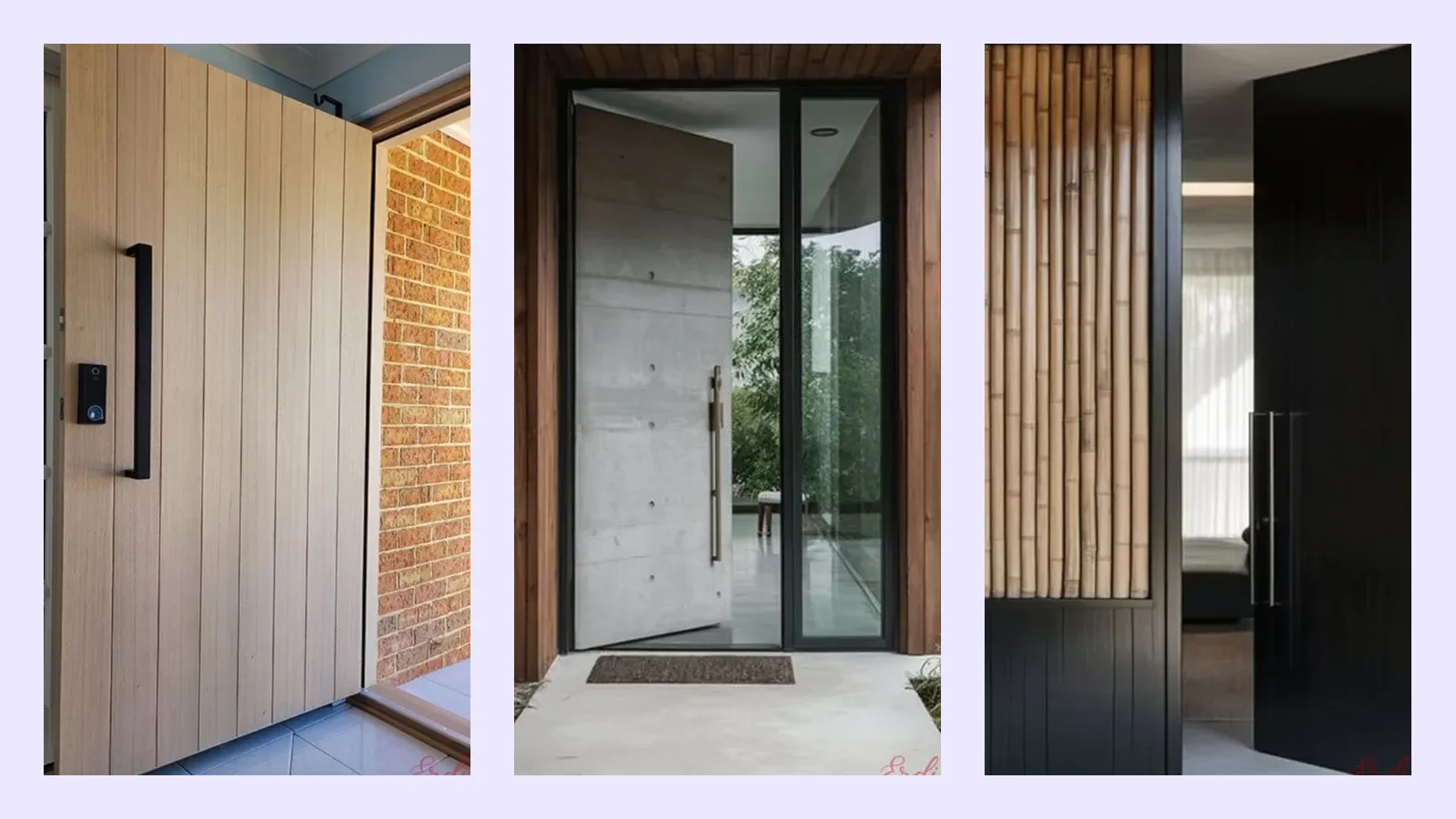
Clear trends are shaping villa entrances in 2026: wider leaves, surfaces that blend into the facade, hidden frames, and a growing appetite for natural texture.