
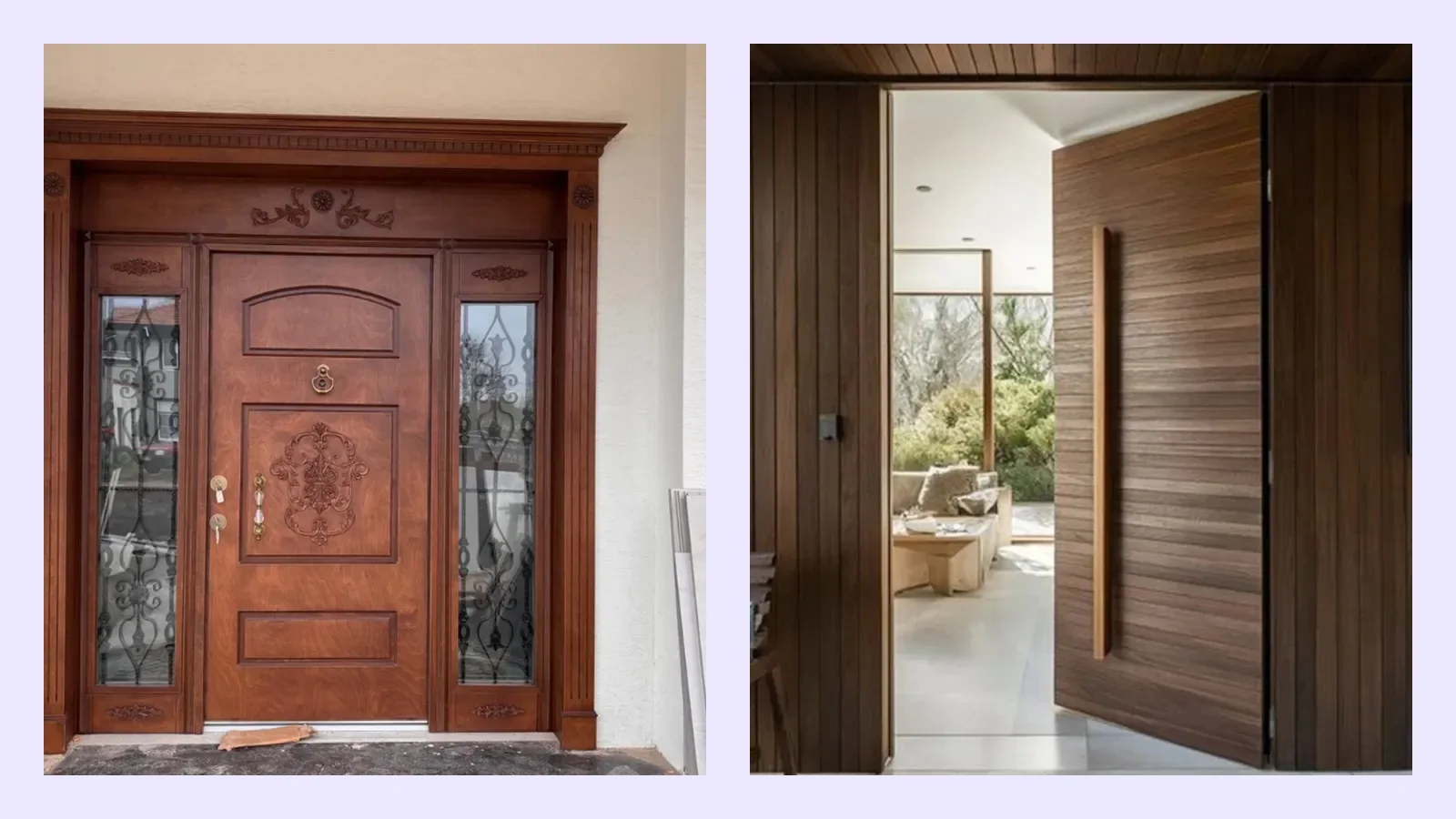
GuideAugust 16, 2026
Steel Door Replacement: Renew the Existing Door, or Replace It?
Not every problem calls for a new door. When is recladding or a part swap enough — and when does the whole door have to go?
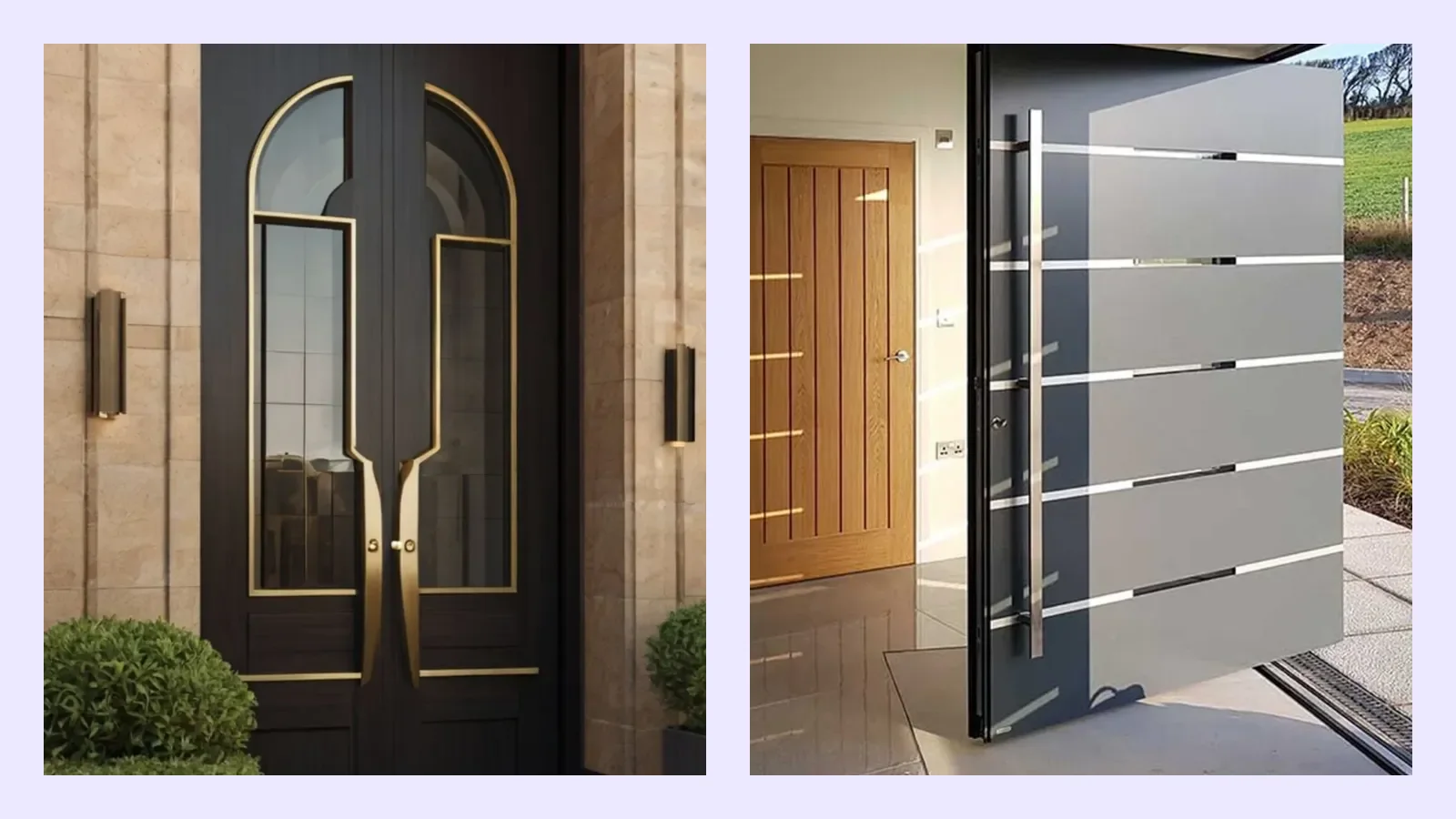
Most problems with villa door orders don't come from the quality of the door — they come from who's responsible for what never being put in writing. When the measurement is off, when delivery runs late, or when the cladding bubbles two years down the line, everyone ends up looking at the other party. Get five clauses written into the contract and almost all of these disputes disappear.
This is the most critical clause. If you provide the measurement, the manufacturing cost of a mistake falls on you. If the manufacturer takes it on site, the responsibility is theirs.
The contract should read something like: "The measurement is taken on site by the manufacturer; any mismatch traced back to the measurement makes remanufacturing the manufacturer's responsibility." We go to the site survey ourselves and measure the door opening at three points — we take the narrowest figure as the reference, because walls are rarely perfectly straight.
"2-year warranty" on its own doesn't mean much. What it covers needs to be spelled out. A manufacturing and workmanship defect is a very different thing from wear caused by use.
With us, manufacturing defects are covered indefinitely, and a formal 2-year warranty document is also issued. Don't conflate the two — make sure both are written separately into the contract.
Send a photo of your door via WhatsApp — once we see the existing entrance, we can tell you which solution fits within about 10 minutes. Use our contact page or call 0532 689 21 46 directly.
In made-to-measure production, the timeline varies by cladding type, glass order and installation queue. The contract should state a clear number of days and what happens in the event of a delay. "As soon as possible" commits nobody to anything.
This clause gets skipped often and ends up creating extra cost later. What should be written down: removal of the old door, delivery, installation labor, and who's responsible for any plaster repair that comes up during removal. That plaster repair point matters in particular — the wall doesn't always stay clean when the existing door comes out.
If you bought through a middleman, getting the lock adjusted two years later means going through the dealer first, then the manufacturer. Buy from the manufacturer and there's a single point of contact. The contract should say who service calls go to and whether they're handled on site.
A deposit is normal for made-to-measure production — manufacturing starts with the order. What's not normal is being asked to pay the full amount up front. A healthy structure looks like this: a deposit after the site survey and measurement, an interim payment once production is complete, and the balance due after installation is finished and the door is handed over in working condition.
Holding the final payment until after installation protects you. If the door is installed but won't close properly, the lock doesn't engage, or the frame is out of plumb, having a balance still outstanding gets things fixed faster. The contract should tie payment milestones to work being completed, not to calendar dates.
| Clause | Why it matters | How we handle it |
|---|---|---|
| Measurement responsibility | A wrong measurement means remanufacturing cost | We take the measurement at the site survey |
| Warranty scope | "2 years" alone is ambiguous | Indefinite on manufacturing defects + 2-year document |
| Delivery time | Affects your moving timeline | Given in days at the site survey |
| Installation scope | Removal and plaster work create extra cost | Removal and installation by our own team |
| Service contact | Chains get longer with a middleman | Manufacturing, installation and service under one firm |
Consumer regulations require a formal warranty document of at least 2 years. A longer commitment can be requested for manufacturing and workmanship defects; with us, manufacturing defects carry an indefinite warranty.
If the manufacturer took the measurement on site, remanufacturing is on them. This clause needs to be written explicitly into the contract; a verbal agreement invites disputes later.
Some plaster damage when removing the old door is normal. Who's responsible for the repair should be discussed at the site survey and written into the contract.
Ask for the five clauses above from whichever firm you order from. A serious manufacturer won't hesitate to put them in writing. Send a photo of your entrance to 0532 689 21 46 via WhatsApp, and let's discuss measurements and cladding options and set a date for a site survey. The survey is free.
You can ask about your own door, your measurements or your specific area. Our production team reads these and answers here. If you'd like a faster reply, you can message us on WhatsApp.
Not every problem calls for a new door. When is recladding or a part swap enough — and when does the whole door have to go?
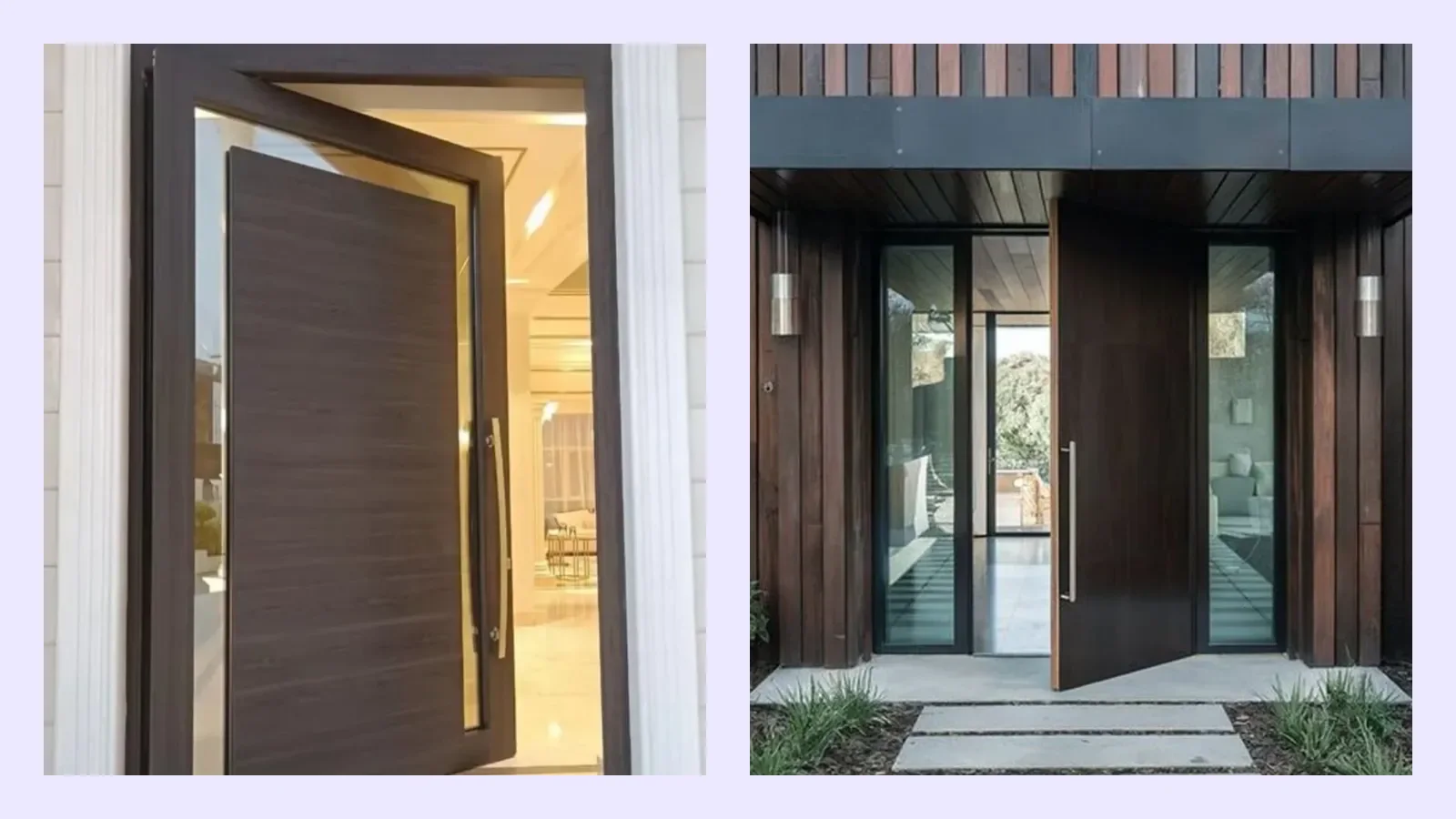
In a villa door, it's clear where costs can be trimmed and where they can't. Skimping on the body and lock cuts security directly — while cladding and glass choices leave real room to save.
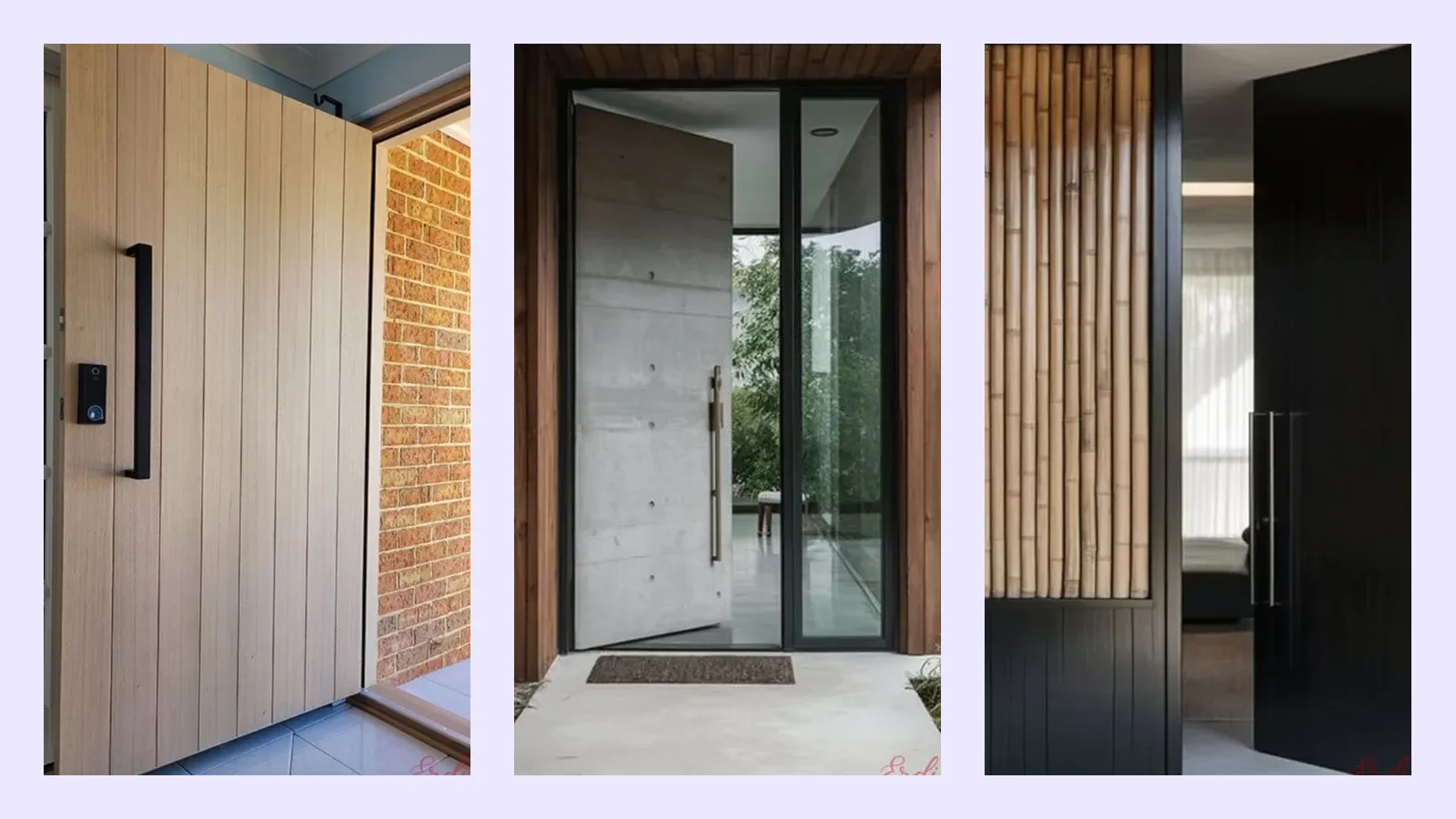
Clear trends are shaping villa entrances in 2026: wider leaves, surfaces that blend into the facade, hidden frames, and a growing appetite for natural texture.