
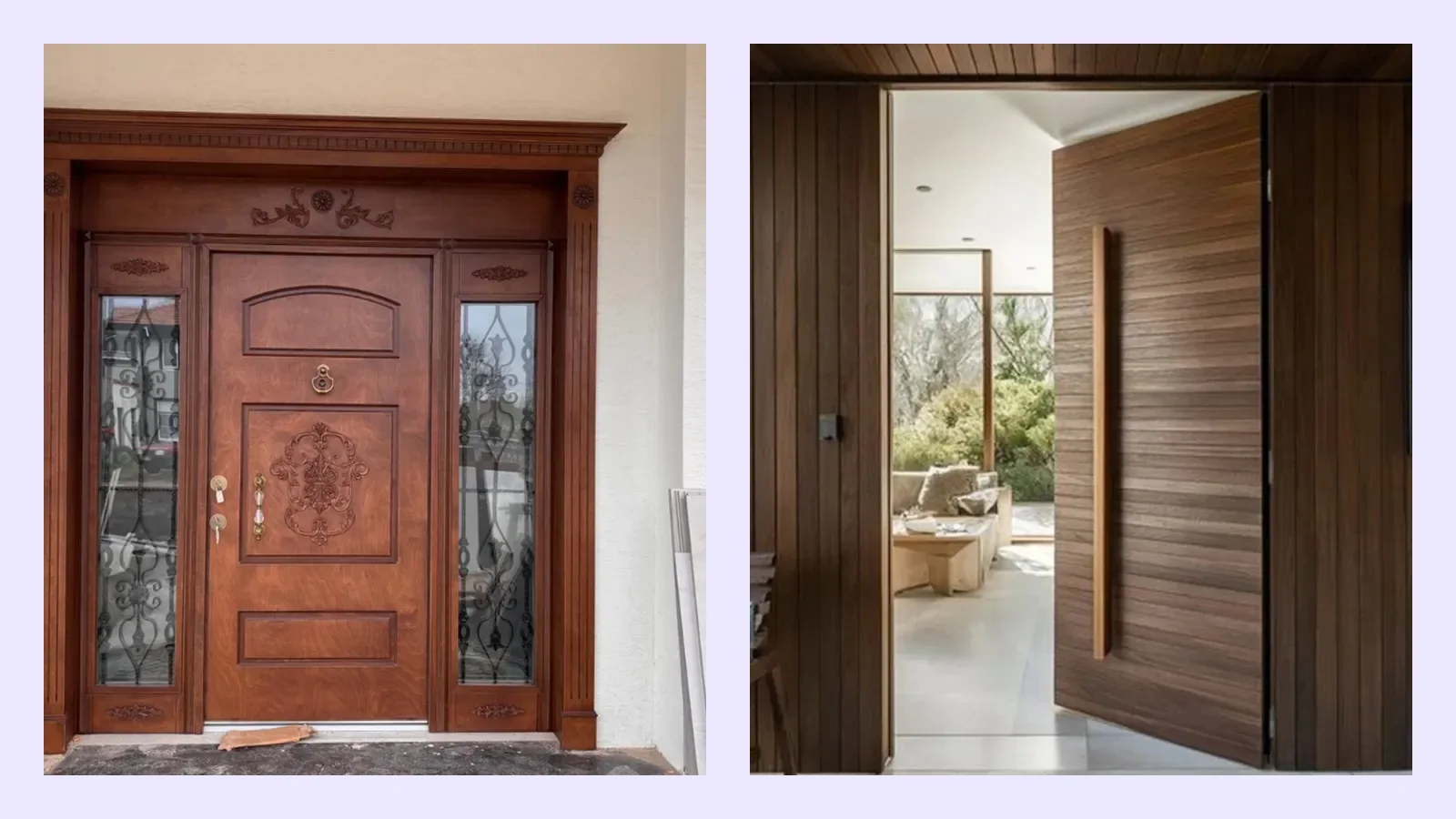
GuideAugust 16, 2026
Steel Door Replacement: Renew the Existing Door, or Replace It?
Not every problem calls for a new door. When is recladding or a part swap enough — and when does the whole door have to go?
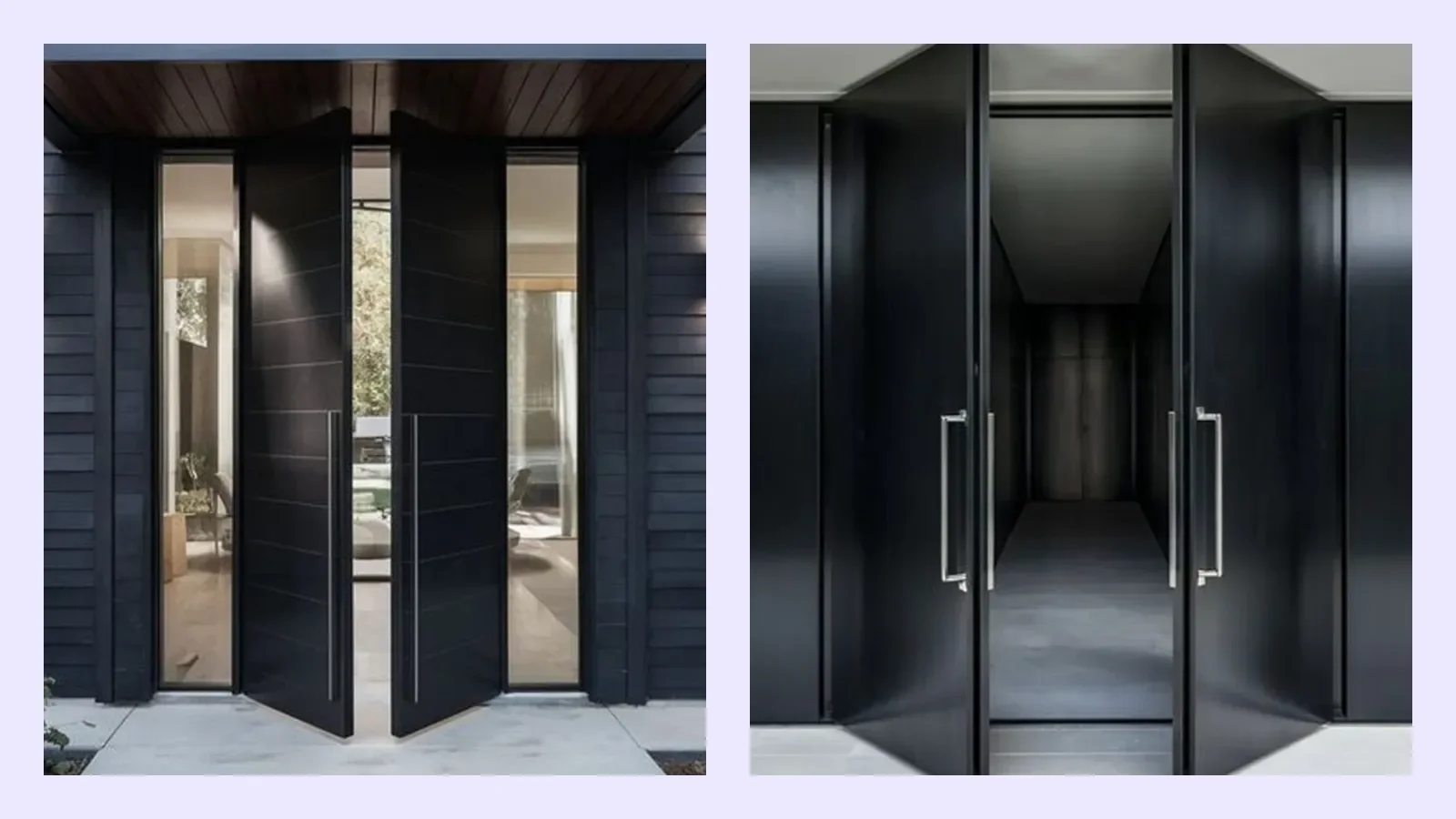
The building entrance door is the hardest-working moving part in any residential project. In a thirty-flat apartment building, the door easily opens and closes 300-400 times a day. That's a completely different load than a flat entrance door carries — and it changes the selection criteria.
In a flat entrance door, the priorities are sound and heat insulation plus security. In a building entrance door, the priority is durability and self-recovery: the door opens constantly, slams constantly, and everyone pushes it with different force.
That's why building doors use a reinforced profile, high-capacity internal ball-bearing hinges on the hinge side, and a system that closes the door on its own. We wrote up the detailed comparison on the villa door vs. building entrance door page.
A self-closing mechanism shuts the door on its own in roughly 6 seconds. That has two benefits: the door never stays open (security and heat loss), and because it doesn't slam shut, both door and frame fatigue less. In a common area, you trust the mechanism rather than human behavior.
Classic key, card access, keypad code or fingerprint. Property managements most often choose card access: a lost key doesn't force a full cylinder change — a lost card just gets removed from the system. When deciding, factor in the number of flats and tenant turnover — with high turnover, a card system works out cheaper in the long run.
The door's lower zone takes the most abuse: it gets pushed with feet, hit by suitcases, and pooled with cleaning water. A grade 304 stainless steel kick plate should be standard there. A painted surface gets scratched within a few years and starts showing rust spots.
At building entrances, glass does two jobs at once: it brings daylight indoors and lets you see who is approaching (security). The glass must be laminated — it doesn't shatter when broken; the interlayer holds the pieces. In a common area, that's a safety requirement.
Building entrances tend to be wide. Whether to go single leaf or double leaf depends on how the building lives: in complexes where furniture moves happen often, a double leaf (one fixed, opened when needed) is a clear convenience.
A building entrance door is a common-area investment, and the decision process runs differently than for a flat entrance door. In our experience, this order works:
In new construction, planning the building entrance door together with the flat entrance doors pays off in both cohesion and cost. We prepare separate quotes for contractor and property management requests — reach us via the contact page.
Browse our steel building entrance door models, and see what drives the price in the pricing guide.
A building entrance door is a common-area investment financed through service charges or a special collection. That makes the decision process different from a flat entrance door: the choice isn't one person's taste — it's a homeowners' majority vote, and the spending has to be justifiable.
In our experience, what speeds the process up is narrowing the options to two or three concrete alternatives. Meetings where forty models are presented don't produce decisions; present three options with fixed dimensions and specs where only the surface differs, and the vote settles in a single round.
Installation is completed within a day. Production time depends on dimensions and model; a firm date is given at the site survey. Since the entrance stays open for a while on installation day, the timing is planned in advance.
It's set by the number of flats and the management's request; usually more than one card per flat is registered. Lost cards get removed from the system, so there's no need to change the cylinder.
Not mandatory, but we strongly recommend it for shared entrances. Keeping the door from standing open matters for both security and heat loss; and because it prevents the door slamming shut, the door and frame fatigue less.
Yes. In new construction, planning the building entrance door together with the flat entrance doors pays off in cohesion and cost; we prepare separate quotes for such requests.
The opening's dimensions, leaf count, cladding and access system are the main items. Our advice to managements: fix the technical specs and collect quotes on two or three alternatives that differ only in surface — that keeps the comparison meaningful.
Threshold height, leaf width and the force needed to open the door all matter. The self-closing mechanism's closing speed should be adjustable; an automatic opener can also be added. Raise these requests at the site survey.
No. Parts like the kick plate, glass, handle and gasket can each be replaced separately. At building entrances the most frequently replaced part is the kick plate in the lower zone — which is why we choose 304 stainless steel.
Erdi Yavuz — Founder of Bayrakdoor Steel Doors. Over 20 years of steel door manufacturing experience. Production takes place at our own factory in Gaziosmanpaşa, Istanbul; measurement, manufacturing and installation belong to the same team.
You can ask about your own door, your measurements or your specific area. Our production team reads these and answers here. If you'd like a faster reply, you can message us on WhatsApp.
Not every problem calls for a new door. When is recladding or a part swap enough — and when does the whole door have to go?
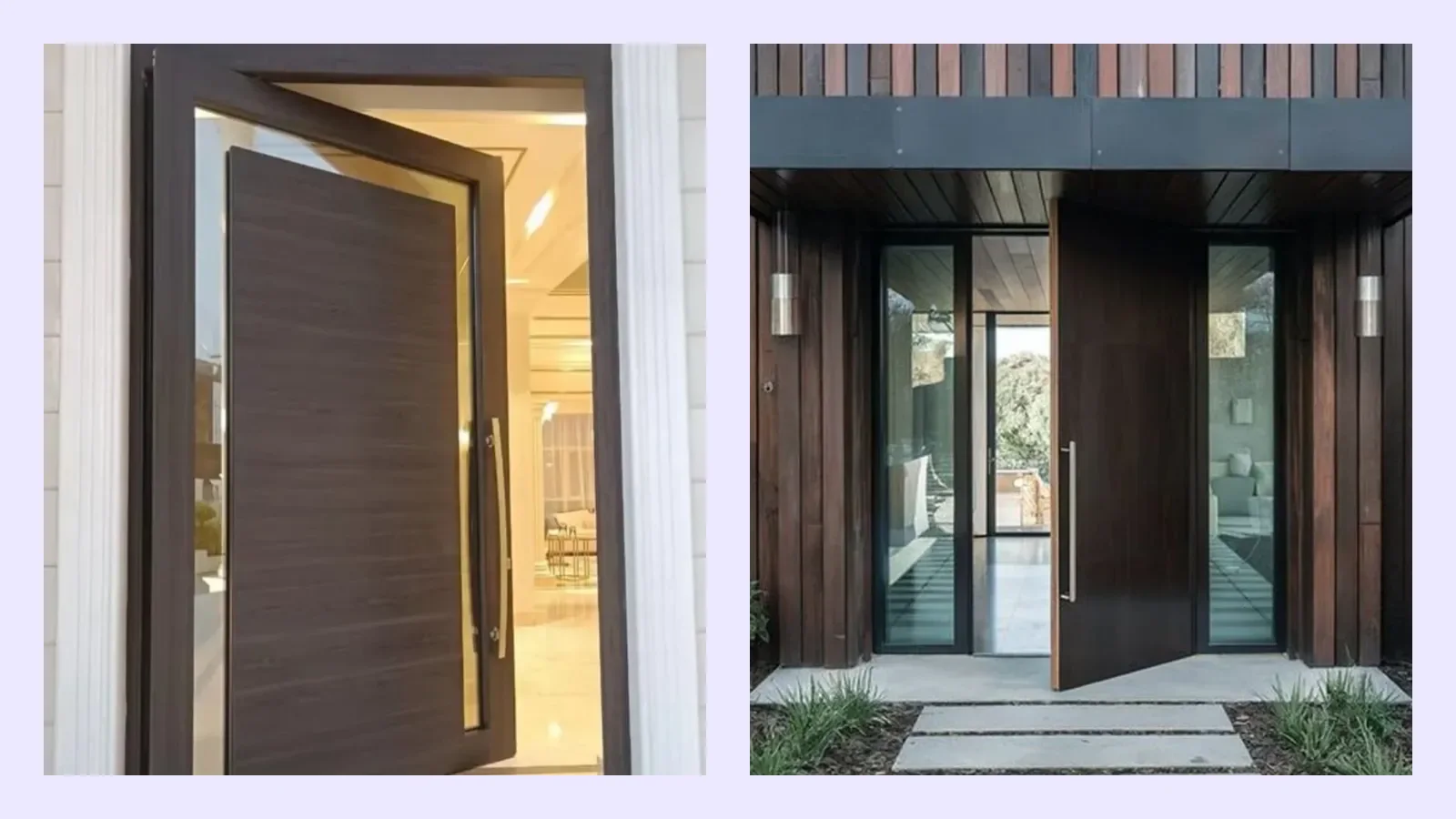
In a villa door, it's clear where costs can be trimmed and where they can't. Skimping on the body and lock cuts security directly — while cladding and glass choices leave real room to save.
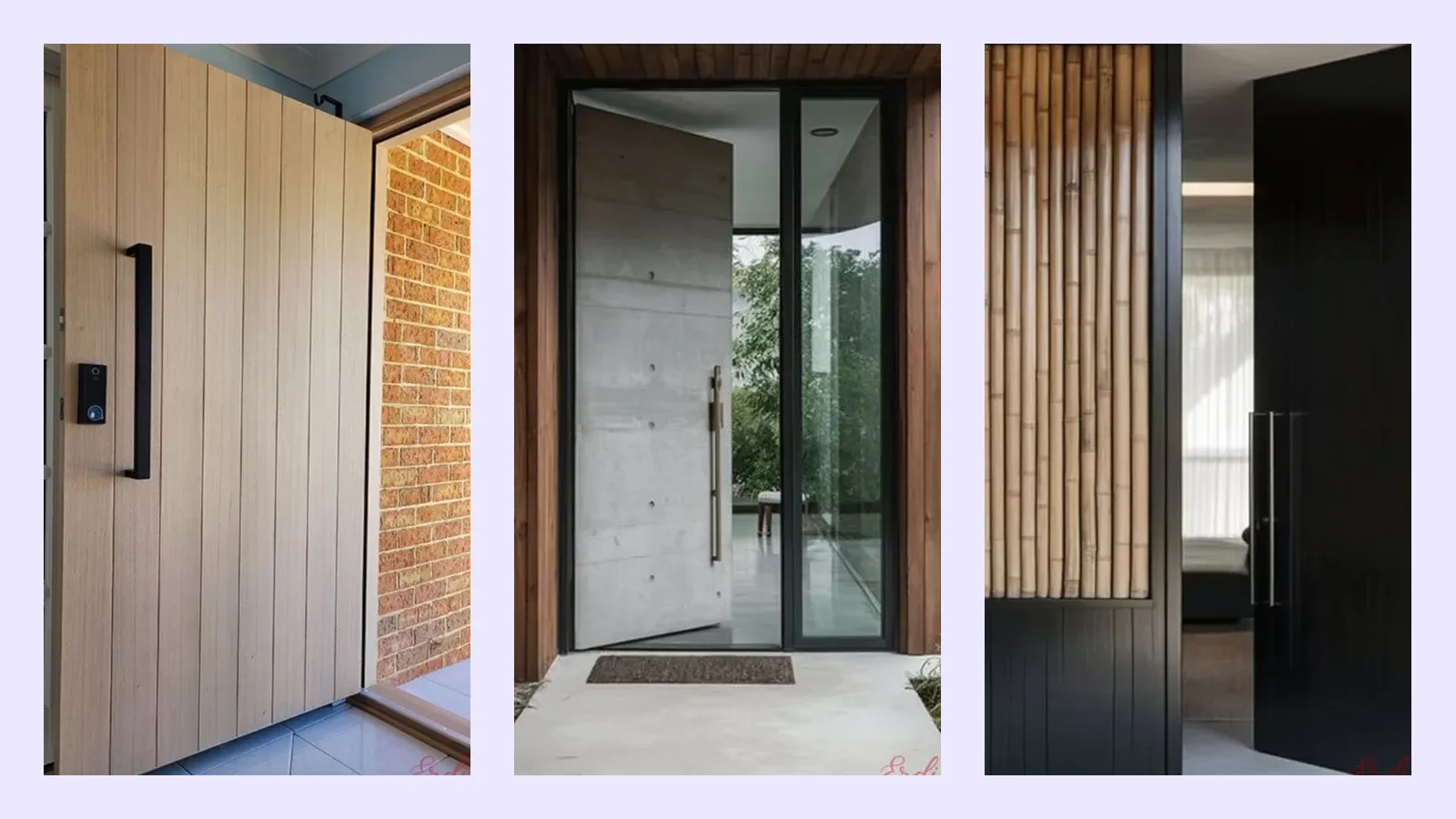
Clear trends are shaping villa entrances in 2026: wider leaves, surfaces that blend into the facade, hidden frames, and a growing appetite for natural texture.