
TechnicalAugust 19, 2026
Do Exterior Villa Doors Rust? Solutions That Stop Corrosion
Whether a steel door rusts depends not on the door itself but on the surface treatment and the local air. Where rust starts and how it's stopped.
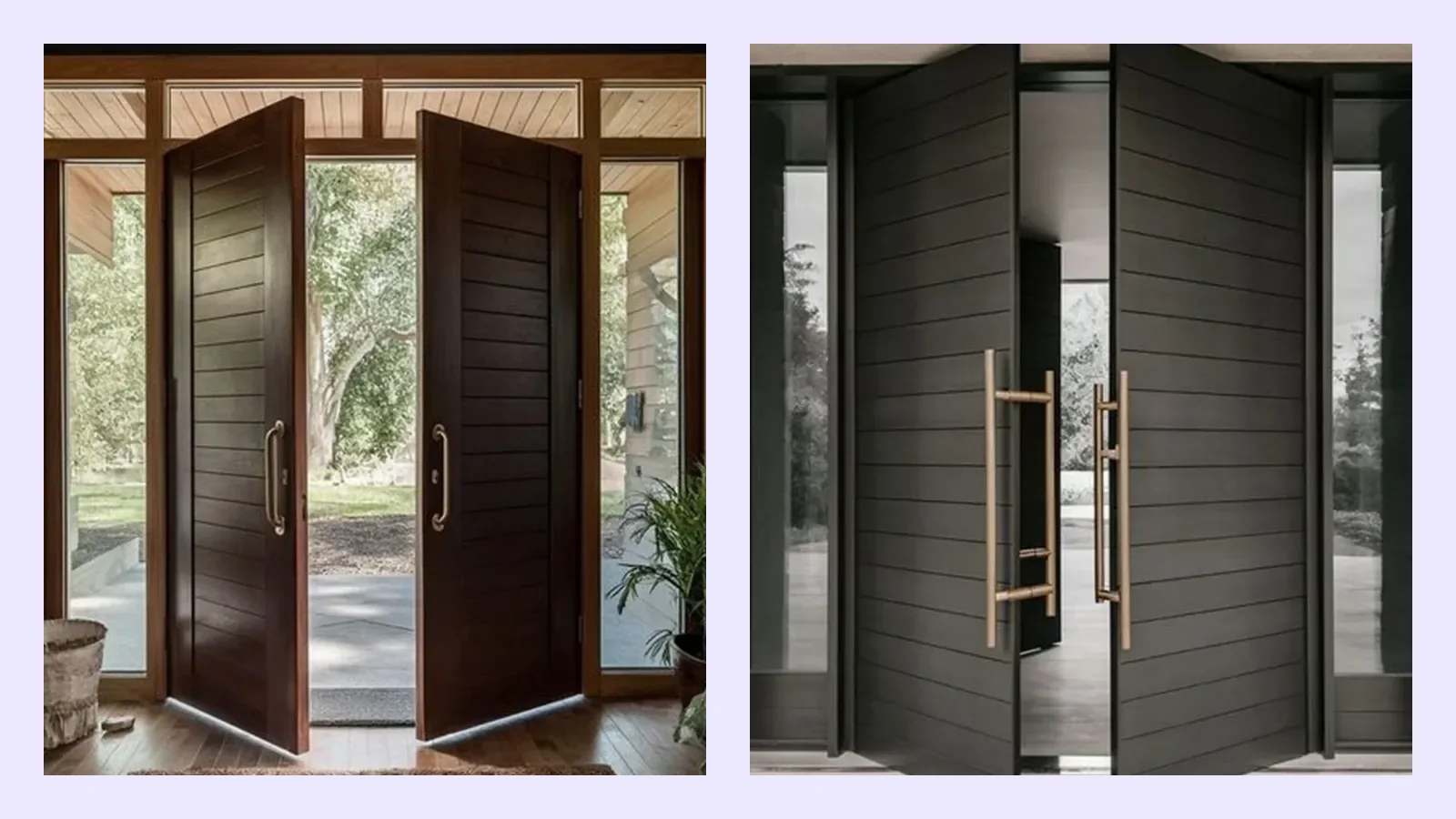
A door works fine for the first year, then one day the latch starts fighting its socket. You have to shoulder it shut, and the bottom corner drags on the threshold. This is called sagging, and it's expected to some degree on heavy leaves — the real question is how much is normal and how much is a fault.
The full weight of the leaf rests on the hinges, and the hinges rest on the frame. Over time, one of three things occurs:
The doors we manufacture use a monoblock-reinforced tray construction for the leaf, with 3 size-20 ball-bearing adjustable-pin hinges. "Adjustable" is the key word here — once sagging starts, you can correct it without removing the leaf.
Close the door and trace the gap between the leaf and frame all the way around with your eye. On a healthy door, this gap is even everywhere. If the gap widens at the top on the lock side and closes at the bottom, the leaf has dropped downward and toward the lock side — this is the most common pattern.
Explaining the problem over the phone is hard. Send a photo of the door and the problem area via WhatsApp to 0532 689 21 46; in most cases we can tell what's going on just by looking. A site survey, if needed, is free.
Adjustable-pin hinges generally have two axes: height and lateral. Once the hinge cap is removed, the visible Allen screw lets you lift the leaf by a few millimeters or bring it closer to the frame. This work takes care — all three hinges need to be adjusted together; moving just one twists the leaf and makes the problem worse.
Adjustment range is limited. Most hinges allow 2-3 mm per axis. If the sagging exceeds that, the problem isn't the hinge.
| Symptom | Likely cause | Fix |
|---|---|---|
| Latch struggles to enter socket | Slight sagging | Hinge adjustment |
| Bottom corner drags on threshold | Sagging or floor has risen | Adjustment; check threshold if not resolved |
| Frame has pulled away from wall | Insufficient anchoring | Frame re-anchored |
| Leaf has bowed in the middle | Weak body structure | Adjustment won't fix it — leaf replacement |
| Play or noise in the hinge | Bearing wear | Hinge replacement |
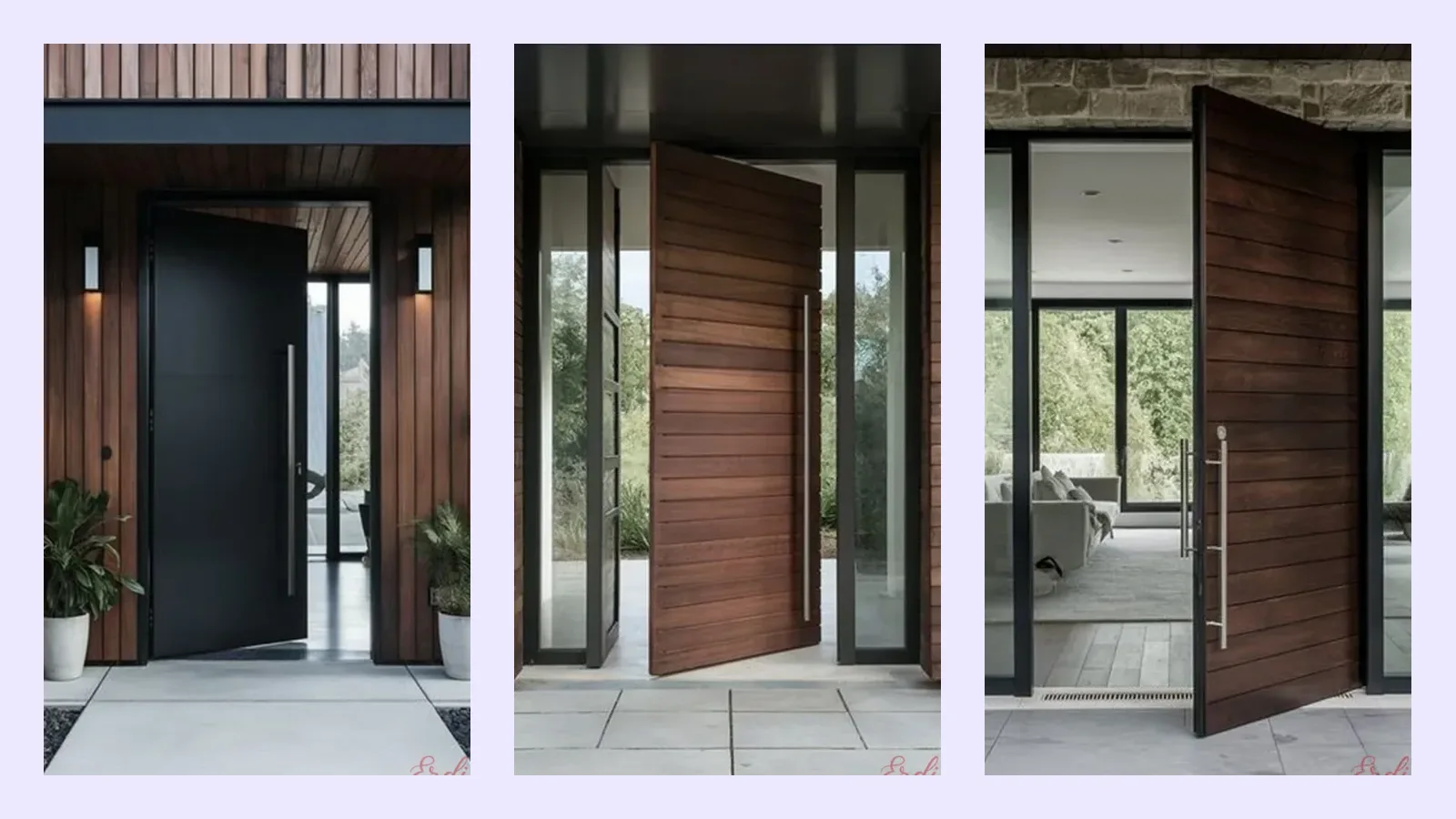
Leaf weight, hinge count, and frame anchoring need to be considered together from the outset. On wide, heavy leaves, hinge count is increased and the frame is anchored to the wall at enough points with the correct anchors. On a pivot system, the load never reaches the hinge at all — the leaf rotates on floor and ceiling bearings, which lets much heavier leaves be carried without sagging.
The answer to "how many hinges do I need" isn't about the model — it's about the weight carried per leaf. A wide, thick villa door leaf can easily reach 80-120 kg, and glazed or wrought-iron versions push that even higher. In a three-hinge setup, the share of that load per hinge sits around 30-40 kg, and a correctly chosen ball-bearing hinge carries this without issue.
The problem usually isn't the number of hinges — it's where the hinge is seated. Even with a solid hinge, if the frame isn't anchored firmly enough to the wall, the load bends the frame instead; the door looks like it's sagging, but what's actually sagging is the frame. In aerated concrete and hollow-brick walls, installations done with standard dowels tend to loosen over time as a result — a load-spreading plate and proper anchoring are needed there.
That's why, in the site survey for heavy leaves, we note two things together: the leaf's estimated weight and the wall's structure. When the two don't match, even the best hinge can't solve the problem on its own.
A few millimeters of settling is common on heavy leaves and corrects with adjustment. Sagging severe enough to block the door from closing isn't normal — the frame anchoring or body structure should be examined.
Possible on adjustable hinges, but all three hinges need to be adjusted together. A wrong adjustment can twist the leaf and make the problem worse — call in service if you're not confident.
Since the load is transferred to the floor and ceiling bearings instead of a hinge, hinge-related sagging doesn't occur. What matters there is how solid the floor is under the lower bearing.
Take photos of the leaf-frame gap from all four corners and send them to 0532 689 21 46. We'll tell you whether adjustment will fix it or something else needs attention.
You can ask about your own door, your measurements or your specific area. Our production team reads these and answers here. If you'd like a faster reply, you can message us on WhatsApp.
Whether a steel door rusts depends not on the door itself but on the surface treatment and the local air. Where rust starts and how it's stopped.
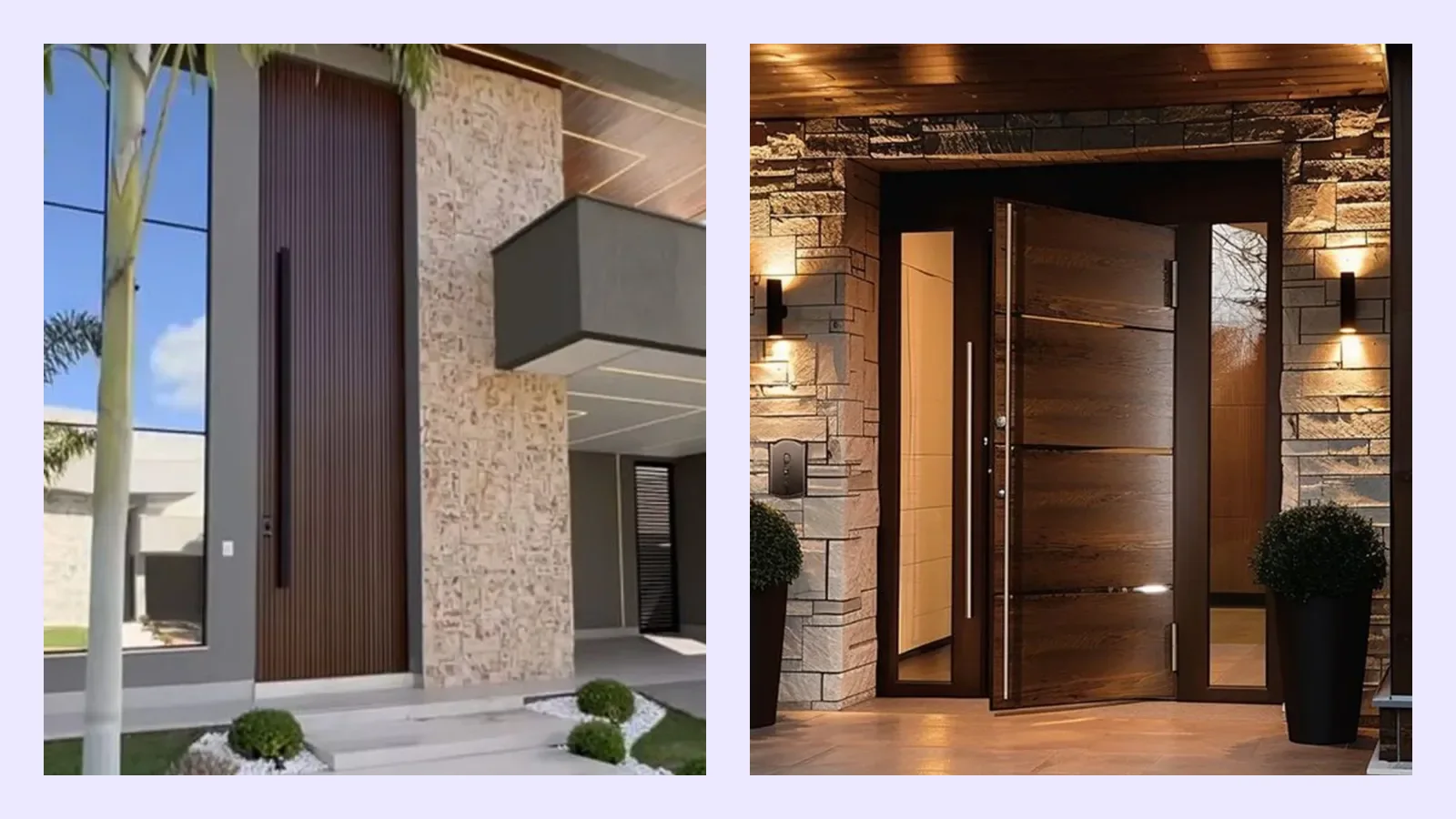
Rainwater getting in under the door isn't a gasket problem — more often than not it's a threshold and drainage problem. What does the right threshold setup look like?
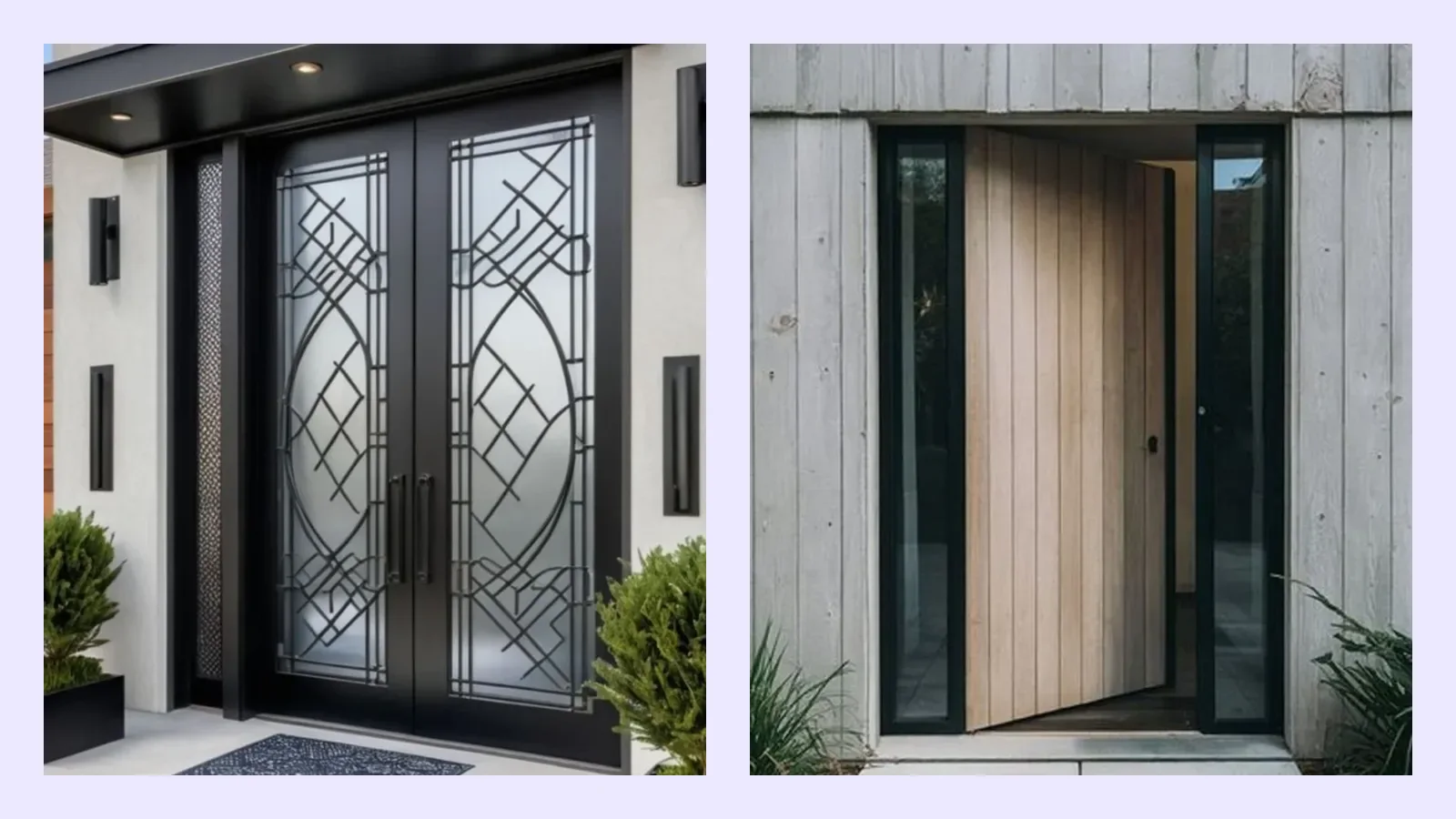
A fire door is a certified product, and regulations make it mandatory in certain locations. Where does a detached house entrance stand, and how much resistance does a standard steel door actually offer?