
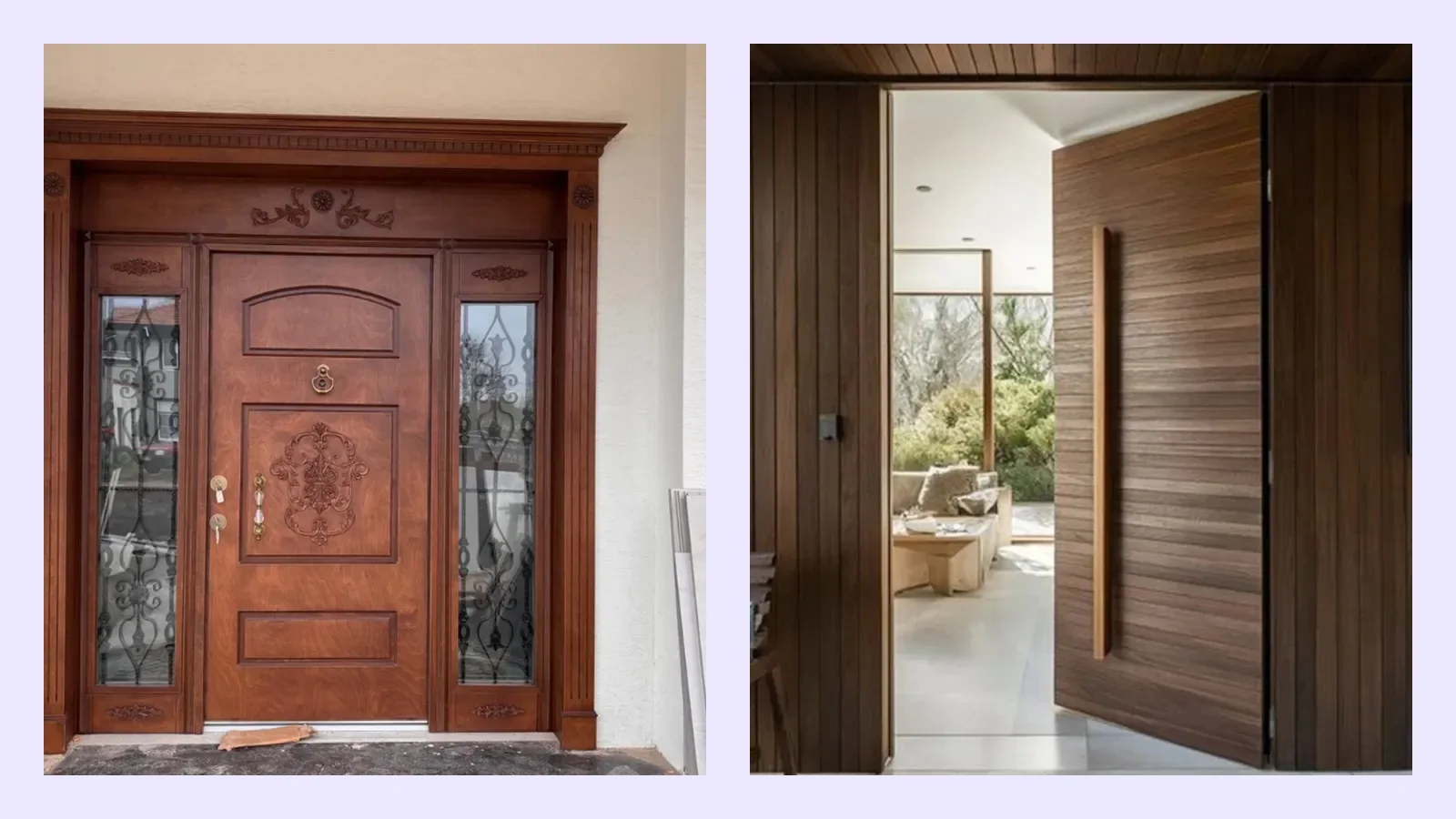
GuideAugust 16, 2026
Steel Door Replacement: Renew the Existing Door, or Replace It?
Not every problem calls for a new door. When is recladding or a part swap enough — and when does the whole door have to go?
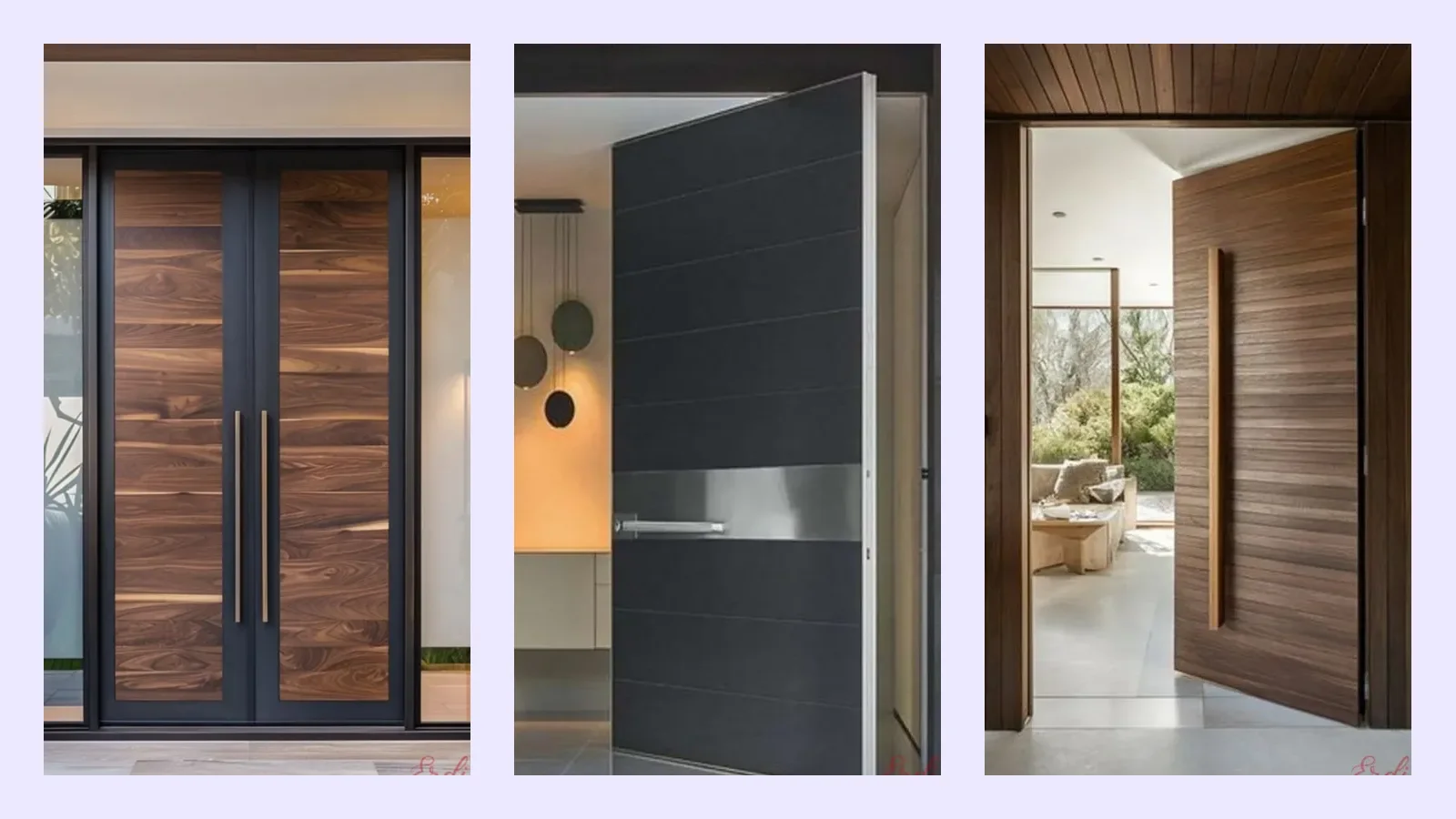
A steel door is one of the few things you buy for a home once and use for twenty years. Even so, most people make the decision based on the pattern they see in a showroom. Yet the part of the door that does the actual work is invisible: how the body is folded, what goes inside it, where the lock engages the frame. In this article we walk through the eight things to check, in order — along with the question you should ask at each step.
Your first question should be: how many mm is the frame, and how many + how many mm is the leaf? The phrase "2 mm steel" gets thrown around a lot, but nobody says whether that refers to the frame or the leaf. Our standard is 2 mm Ereğli A1-grade DKP sheet in the frame and 1.5 + 1.5 mm across both faces of the leaf.
The sheet-grade debate usually revolves around "galvanized or DKP." The short answer: on its own, it isn't decisive. We wrote the long answer in our guide to sheet grades and body construction.
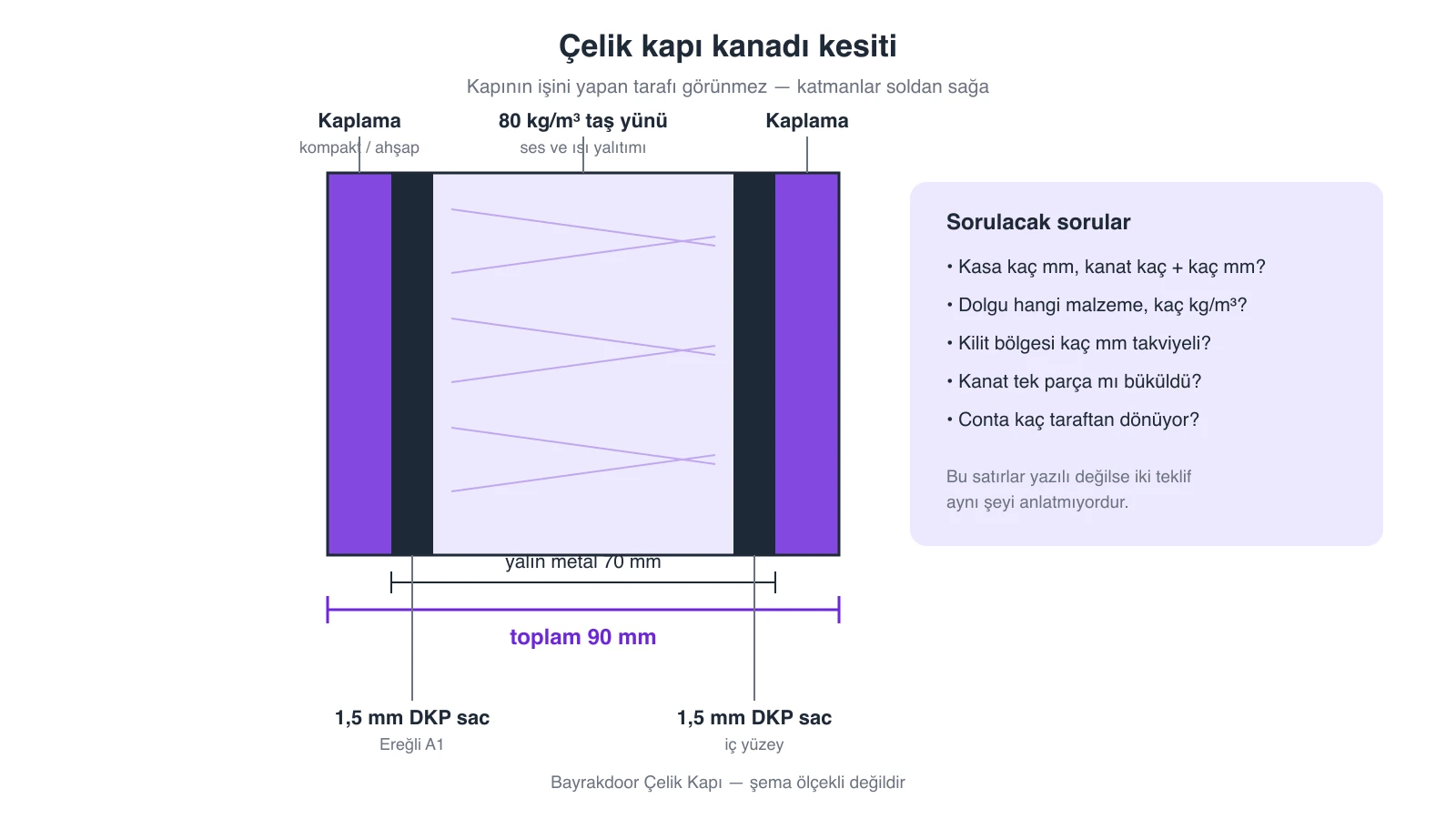
This is where the real difference lies. Was the leaf folded from a single piece, or assembled from parts? A monoblock pan system means the leaf is folded and closed from one continuous sheet; the fewer the joints, the more rigid the door. Second question: is there reinforcement? The lock and hinge zones take the most strain; they should carry 3 mm sheet or angle-iron reinforcement.
Third question: how thick is the leaf? Bare metal thickness and total thickness are two different things. Ours is 70 mm of bare metal, 90 mm total with the cladding.
Sound and heat insulation come down to the filling. The word "insulated" tells you nothing on its own; ask for the material name and the density. Polyurethane foam is cheap but sags over time; rock wool doesn't sag and doesn't burn. Density is critical: 30 kg/m³ rock wool and 80 kg/m³ rock wool are not the same product. Our standard is 80 kg/m³.
The number of locking points tells you how many separate places the door engages the frame. A door that locks at a single point gives way at that single point when forced. Ask for the brand and model — "a security lock" is not information. We use Italian Mottura and Mul-T-Lock systems.
Watch the hinge side too: a door can be pried off from its hinges. Fixed pins are steel pins on the hinge side that engage the frame; even if the hinges are cut, the leaf stays in place. Details in our lock systems guide.
Heat and sound usually escape not through the door body but through the gap between leaf and frame. That's why "how many sides are sealed" matters. We run silicone-based rubber gaskets around 3 sides of the frame and 4 sides of the leaf — which also keeps out dust and insects.
Cladding looks like a purely aesthetic choice, but on an exterior door it's a matter of lifespan. On a south-facing villa entrance exposed to rain, the wrong cladding deforms within three years. We compared how compact laminate, composite, marine plywood, iroko and solid wood behave in different conditions in our cladding guide.
When a standard-size door doesn't fit the opening exactly, the gap gets filled with foam — and that becomes the weakest point of both insulation and security. With made-to-measure production, the frame is manufactured to fit the opening. We explained how measurements are taken and what a site survey covers in our measuring guide.
"5-year warranty" is incomplete on its own. Ask what is covered: manufacturing defects, the cladding, the lock? These are separate items with separate terms. With us, the warranty on manufacturing and workmanship defects is unlimited; a 2-year official warranty certificate is issued at delivery, and components can carry warranties of up to 25 years depending on their manufacturer. Details on our warranty and service page.
In practice, this sequence works well:
| 1. Door type | Villa, building entrance, flat entrance or pivot — how you use it decides |
|---|---|
| 2. Measurements | Settled at the site survey; don't consider off-the-shelf sizes |
| 3. Body standard | Sheet, reinforcement, filling, gaskets — don't compromise here |
| 4. Lock class | Number of locking points and brand |
| 5. Cladding and color | According to facade and climate; this is where you adjust the budget |
| 6. Hardware | 304 as standard; 316 near the sea |
If you're not sure which door type suits you, browse all our models or contact us for a free site survey. We broke down what drives the price, item by item, in our pricing guide.
If the quote comes in higher than expected, the places to cut are well defined and come in order. First step down a tier in cladding: composite compact instead of solid wood, powder coating instead of composite. Then shrink the glass area or remove it altogether. Next, drop details that require handwork, like wrought iron. Going from 316 stainless steel to 304 in the hardware is also an option — but not if you live by the sea.
The items you should never cut: sheet thickness, filling density, reinforcement spec and lock class. These make up not the visible side of the door but the working side. Savings made here come back within a few years as insulation, security or sagging problems — and at that point the fix is replacing the whole door.
The body of a properly built and properly installed steel door lasts for decades. What determines the lifespan isn't the body but the parts exposed to the elements: cladding chosen to suit the facade holds up for fifteen years without trouble, while gaskets and cylinders are consumables that get renewed over time.
Unless your door opening exactly matches one of the common sizes, you need made-to-measure production. With a standard-size door, the gap gets filled with foam, and that spot becomes the weakest point of both insulation and security. We don't sell standard sizes; every door is built to measurements taken on site.
Deciding based on the pattern in the showroom. The pattern is the easiest thing about a door to change; sheet thickness, filling density and lock class can't be changed after installation. The right order is to settle the body standard first, then pick the design.
Doors aren't sold from stock; they're built to order. The lead time depends on the model, measurements and cladding you choose; we give a firm date at the site survey.
Erdi Yavuz — Founder of Bayrakdoor Steel Doors. More than 20 years of experience in steel door manufacturing. Production takes place at our own factory in Gaziosmanpaşa, Istanbul; measuring, production and installation are handled by the same team.
You can ask about your own door, your measurements or your specific area. Our production team reads these and answers here. If you'd like a faster reply, you can message us on WhatsApp.
Not every problem calls for a new door. When is recladding or a part swap enough — and when does the whole door have to go?
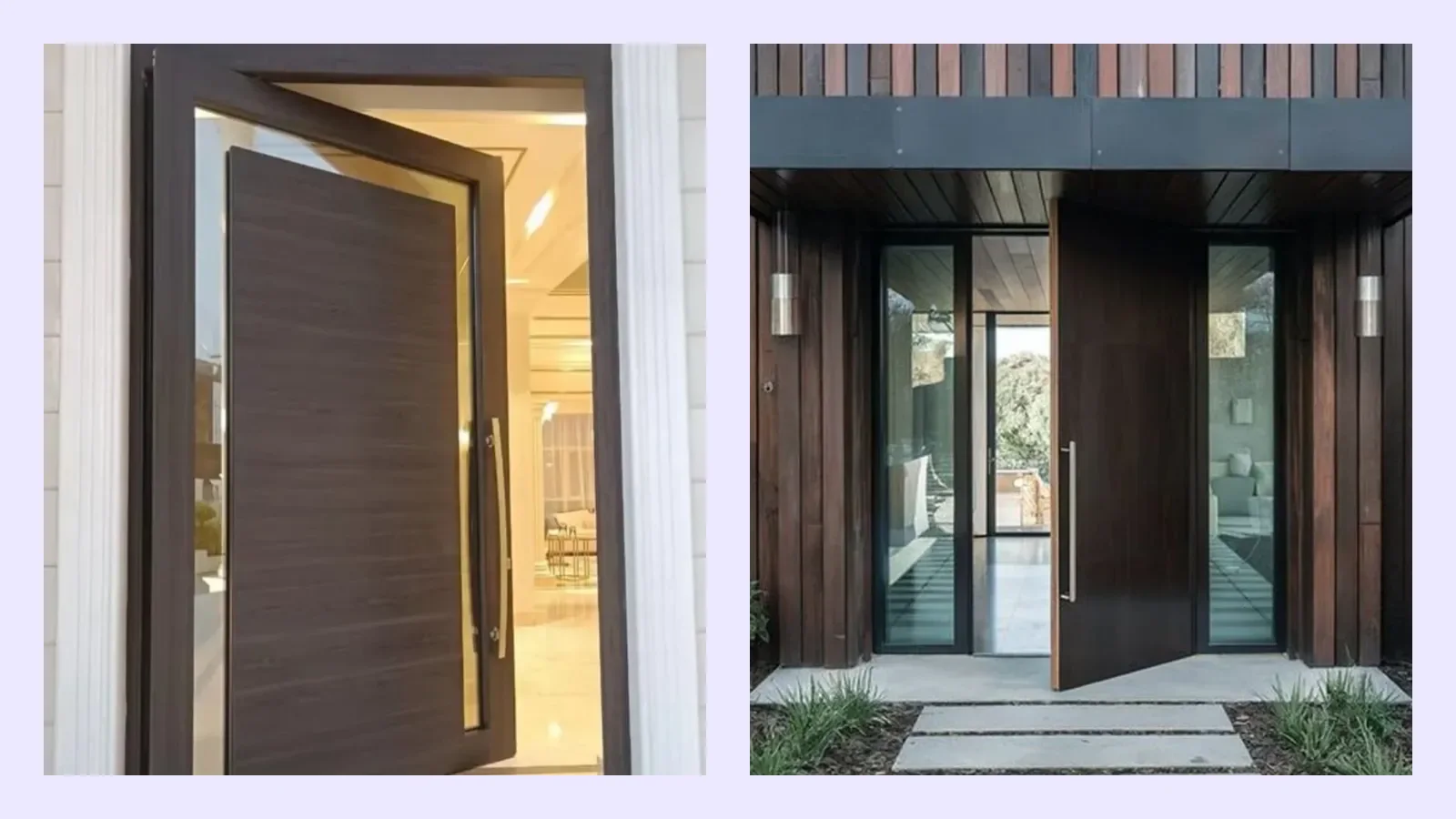
In a villa door, it's clear where costs can be trimmed and where they can't. Skimping on the body and lock cuts security directly — while cladding and glass choices leave real room to save.
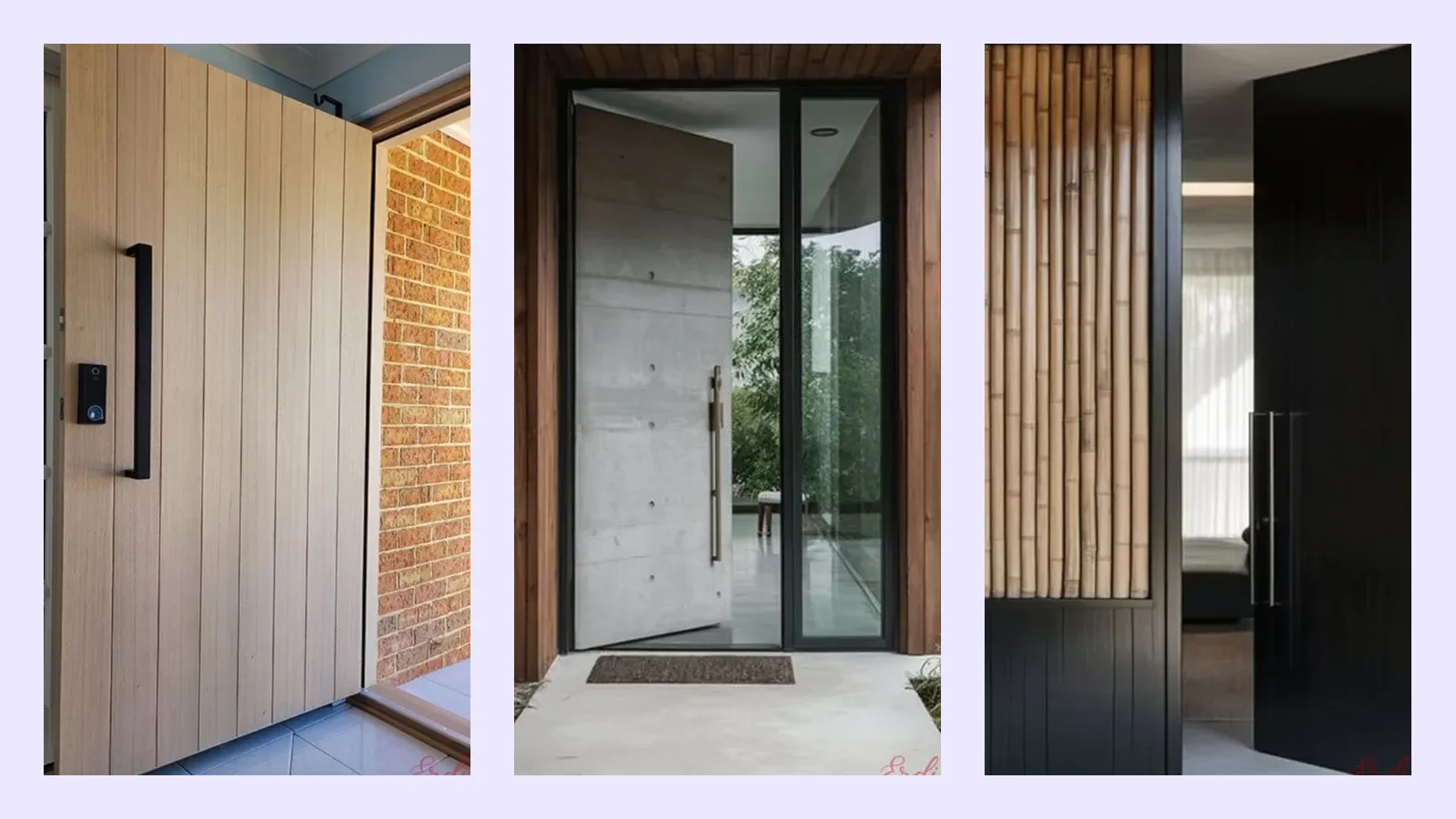
Clear trends are shaping villa entrances in 2026: wider leaves, surfaces that blend into the facade, hidden frames, and a growing appetite for natural texture.