
GuideAugust 16, 2026
Steel Door Replacement: Renew the Existing Door, or Replace It?
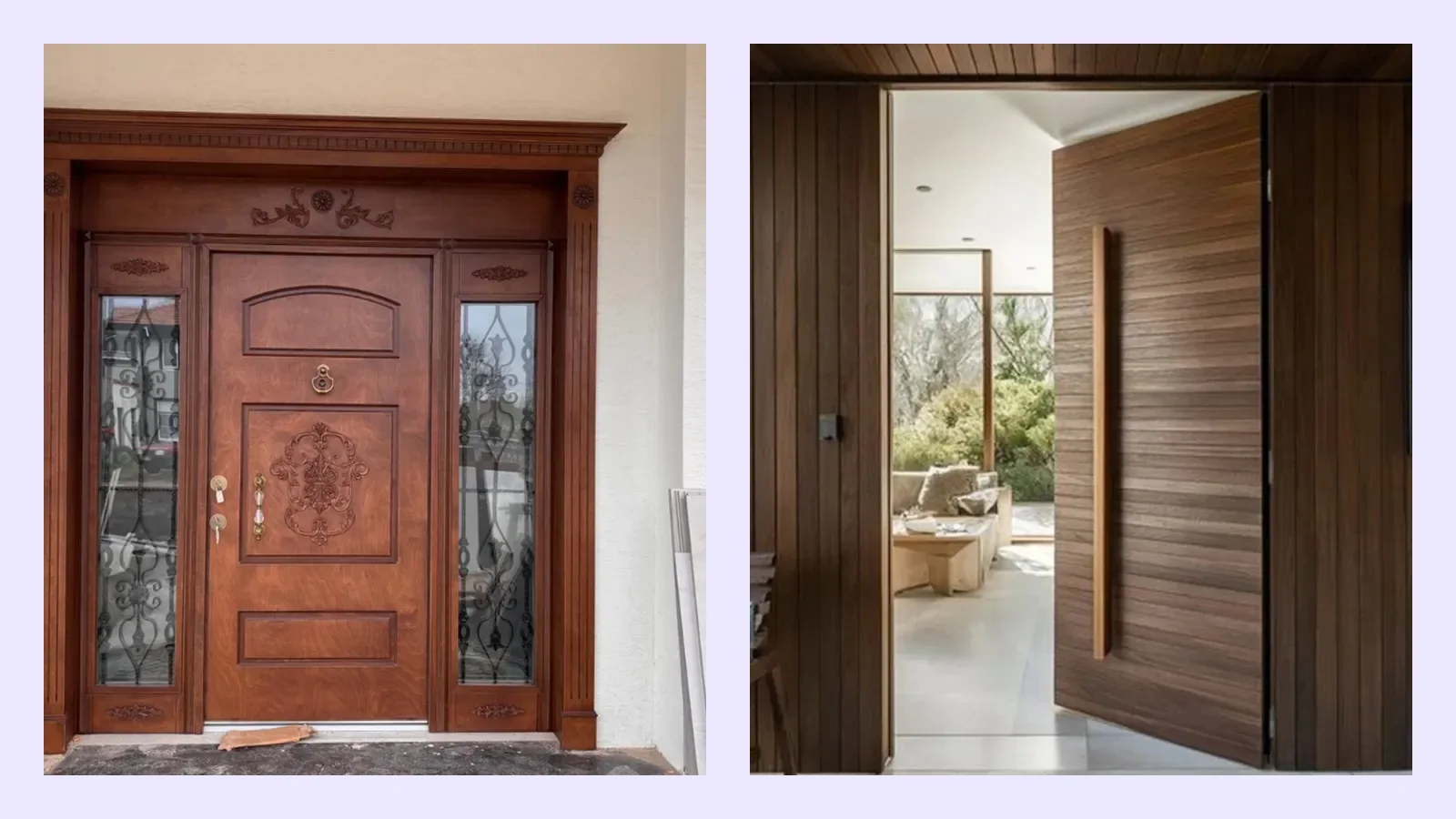
Not every problem calls for a new door. When is recladding or a part swap enough — and when does the whole door have to go?
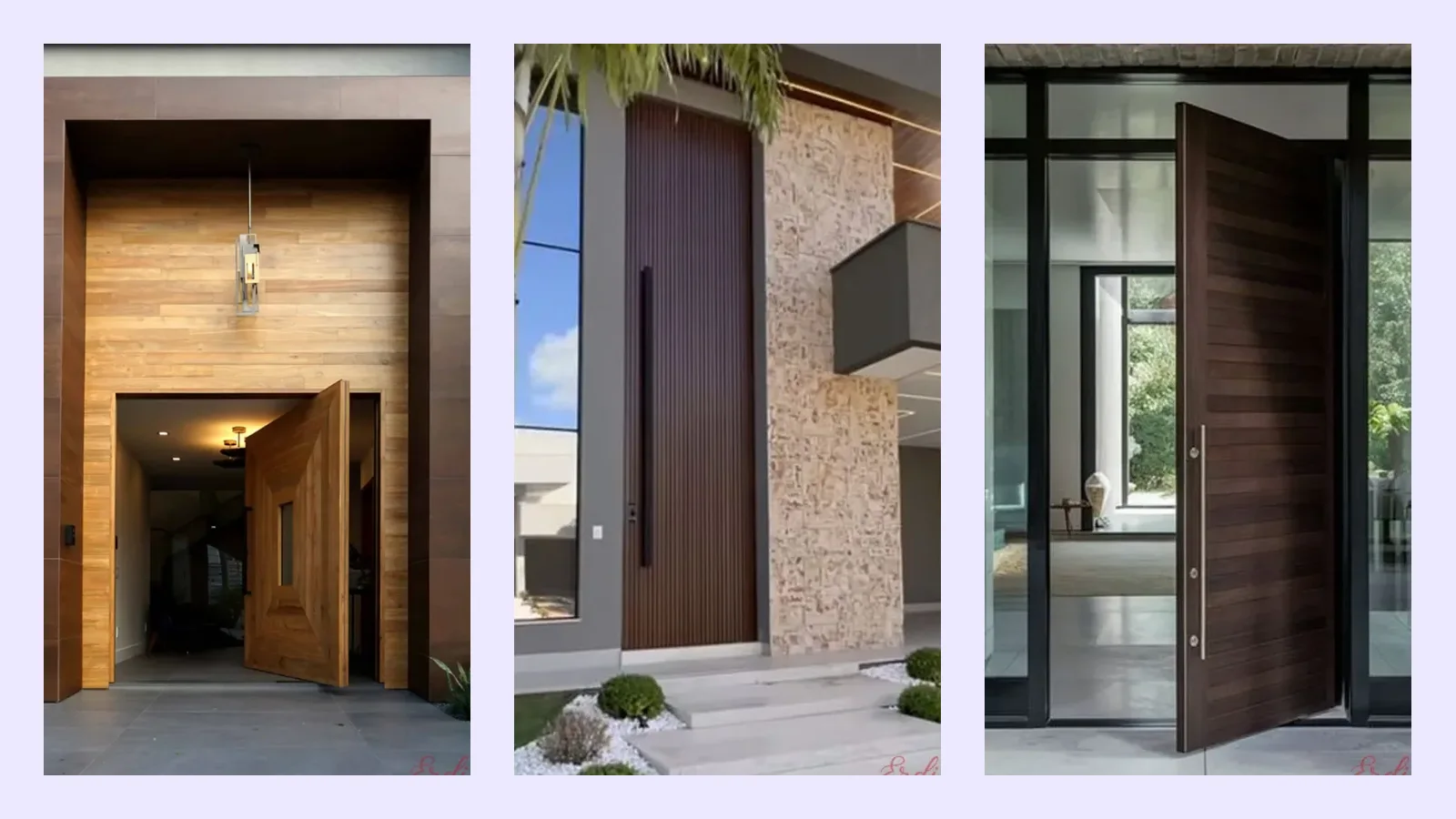
Nobody looking at a villa entrance sees the door as a separate object; they perceive it as part of the facade. That's why a door that's beautiful on its own can look out of place on the wrong facade. In this article we cover the four relationships that create harmony.
The facade's dominant material gives the door three options: match it, contrast with it or stay neutral. All three can work; what fails is landing in between — a tone that resembles the facade but doesn't quite match gives the worst possible result.
| Facade | Match | Contrast |
|---|---|---|
| Natural stone | Warm wood tones | Anthracite / black flat panel |
| Wood cladding | Wood grain running the same way | Matte metal surface |
| White render | Light gray, cream | Dark walnut, black, red |
| Dark composite | Anthracite, smoked gray | Honey-toned wood |
| Brick | Reddish walnut | Anthracite |
The door should speak to the facade's joinery color — the window frames, railings, garage door and eaves trim. If the facade has anthracite joinery, a door from the same family creates cohesion. Pulling the door into a completely independent color only works as a deliberate accent: a red, mustard-yellow or petrol-blue door reads as a "welcoming entrance" when the rest of the facade stays calm.
Since any color in the RAL range can be applied, there's no technical limit here; the limit is the design decision.
This is the most overlooked point. On a tall, vertically emphasized facade, a standard-height door falls out of proportion and the entrance looks "squashed". The fix is either to raise the leaf or to add fixed glazing above it.
Since the leaf gets heavier as it grows, oversized door solutions come into play beyond a certain point.
If the facade cladding runs in horizontal slats, horizontal grain on the door creates unity; if it's vertical, vertical grain does. Going against the direction can be a deliberate choice, but done by accident it grates.
The handle's orientation is part of this reading too: a long vertical handle makes the door look taller, while a horizontal knocker gives a more grounded, classic effect.
No — and this matters. All of our models are built to the same body standard: the same steel, the same reinforcement, the same fill, the same lock. The difference between them is on the surface. Your aesthetic choice never requires compromising on security or insulation.
The only real constraint comes from the climate: on a facade exposed to direct rain and sun, we recommend composite compact laminate instead of solid wood; by the sea, 316 stainless steel accessories. We go into detail in our villa door selection guide.
Photograph the facade in daylight and in the evening. A door reads very differently under evening lighting than it does by day; a dark door can disappear entirely at an unlit entrance. The lighting plan should be considered together with the door choice.
Browse our villa steel door models, and request a free site survey so we can pin down the right one for your facade together.
Color and cladding decisions can't be made on a screen. The same RAL code reads differently on different surfaces: a tone that looks calm on a matte finish comes out noticeably livelier on a glossy one. And with wood claddings, the grain pattern varies from piece to piece because it's a natural material.
So ask for a sample before deciding, and examine it where the door will actually be installed, in daylight. Hold it against the facade material. Then look at the same sample again in the evening, with the entrance lighting on — dark tones change completely after dark.
It depends on the cladding type. Powder-coated surfaces can be repainted; with composite and wood claddings, a color change means renewing the cladding. The body stays in place; the surface changes.
Either can be right. What's wrong is landing in between: a tone that resembles the facade but doesn't quite match gives the worst result. Either match cleanly or contrast cleanly.
By the other metal details on the facade — railings, light fittings, the house number. When these come from the same family, the entrance looks unified. By the sea, 316 stainless steel should also be the choice.
Natural wood claddings lighten in the sun over time; that's the nature of the material, and periodic maintenance slows it down. If color stability is your priority, composite compact laminate is the better fit.
It might. So if you're planning a facade renovation, it makes sense to choose the door with that in mind. Powder-coated surfaces reduce the risk because they can be repainted later.
Usually on the frame or a side panel; anything mounted on the leaf moves every time the door opens, and wiring becomes difficult. Placement is decided at the site survey.
It does. A dark-toned door disappears completely under weak lighting, while glossy surfaces glare in harsh light. The lighting plan should be considered together with the door color.
Erdi Yavuz — Founder of Bayrakdoor Steel Doors. More than 20 years of steel door manufacturing experience. Production takes place at our own factory in Gaziosmanpaşa, Istanbul; measurement, manufacturing and installation are handled by the same team.
You can ask about your own door, your measurements or your specific area. Our production team reads these and answers here. If you'd like a faster reply, you can message us on WhatsApp.
Not every problem calls for a new door. When is recladding or a part swap enough — and when does the whole door have to go?
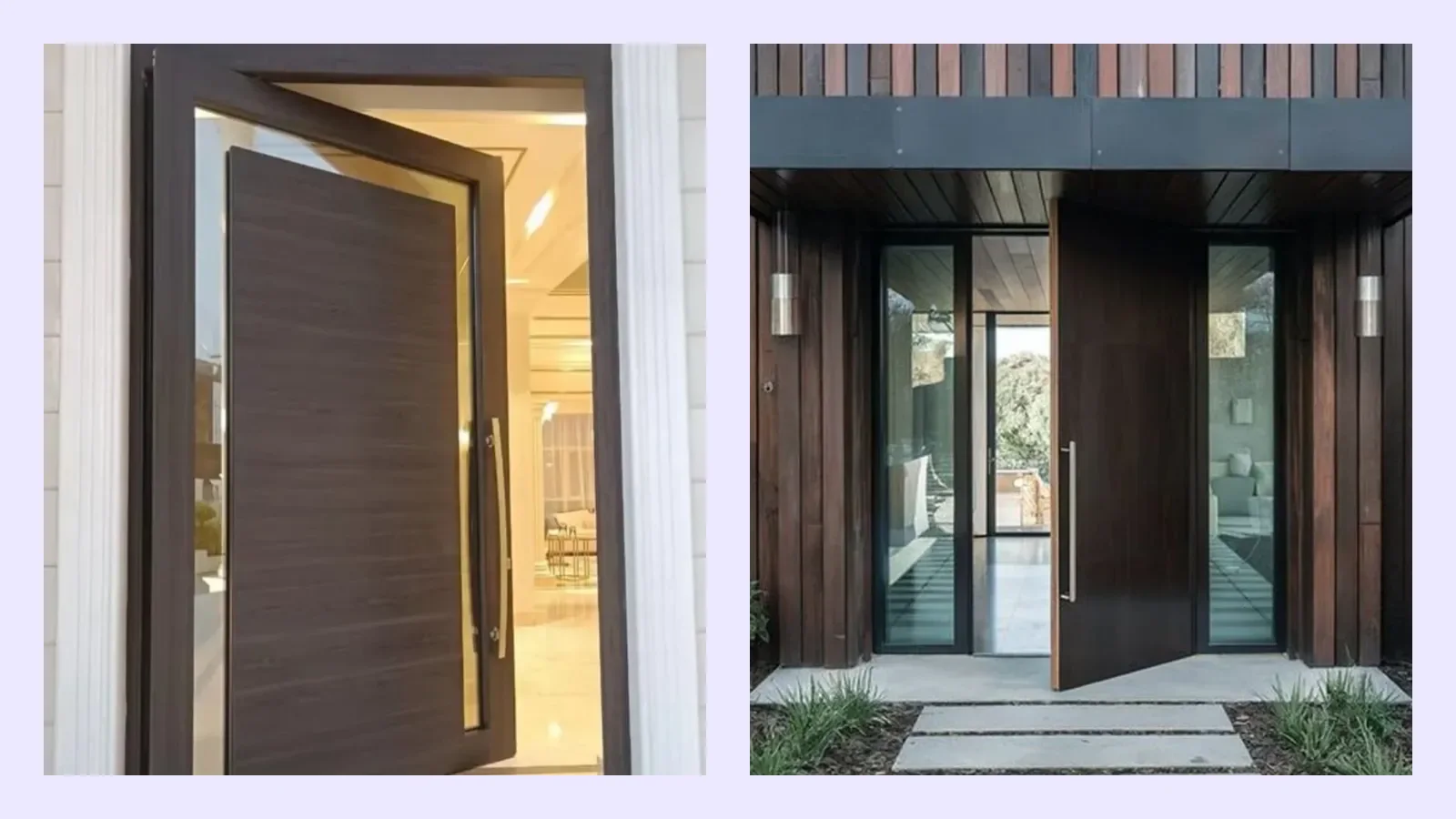
In a villa door, it's clear where costs can be trimmed and where they can't. Skimping on the body and lock cuts security directly — while cladding and glass choices leave real room to save.
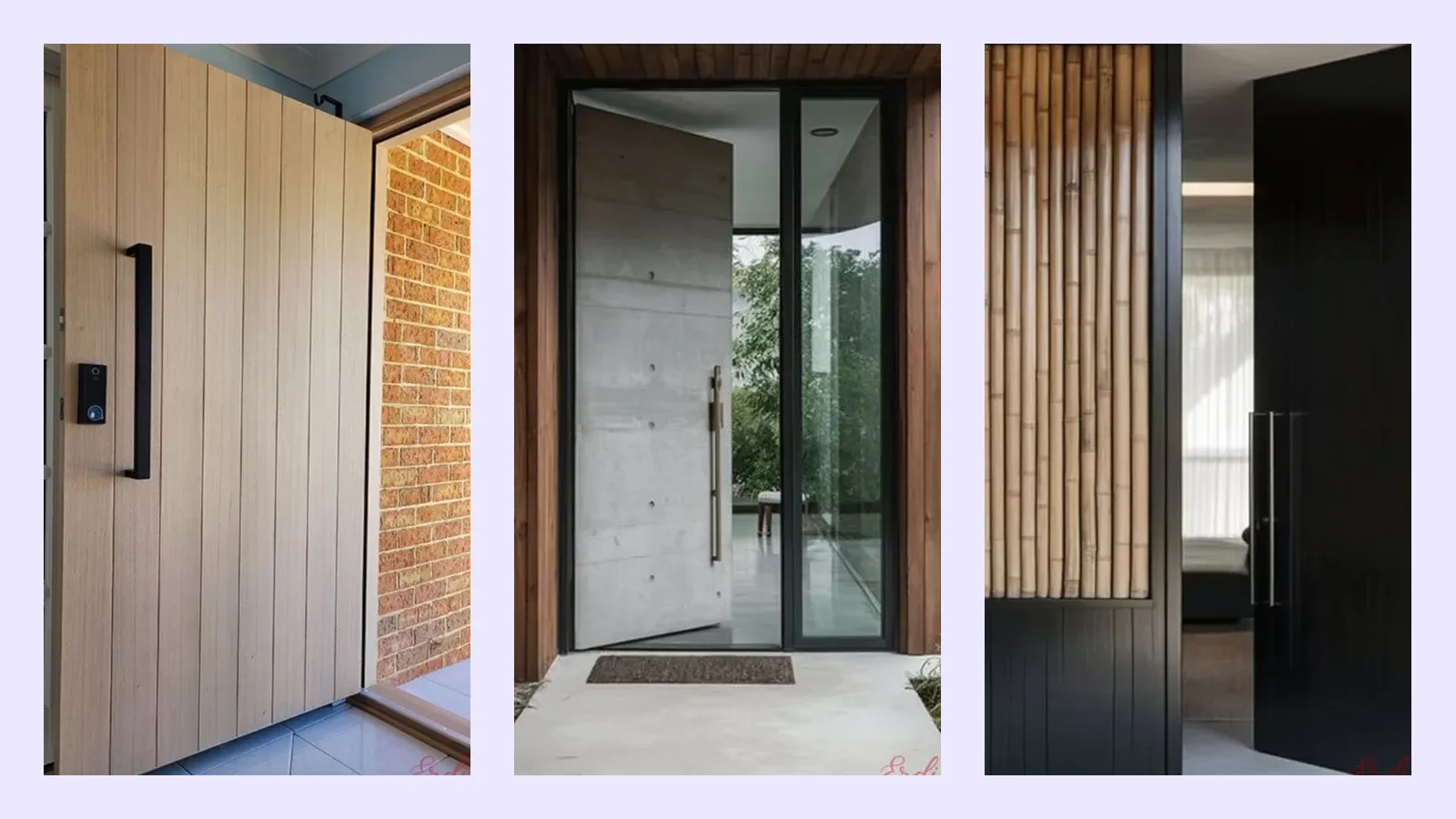
Clear trends are shaping villa entrances in 2026: wider leaves, surfaces that blend into the facade, hidden frames, and a growing appetite for natural texture.