
GuideAugust 16, 2026
Steel Door Replacement: Renew the Existing Door, or Replace It?
Not every problem calls for a new door. When is recladding or a part swap enough — and when does the whole door have to go?
The most expensive mistake when buying a steel door isn't choosing the wrong model — it's not asking the right questions. Once the door is installed, you can't see inside it. So there are ten questions that need clear answers before you decide. Under each one, we've written what the answer should look like.
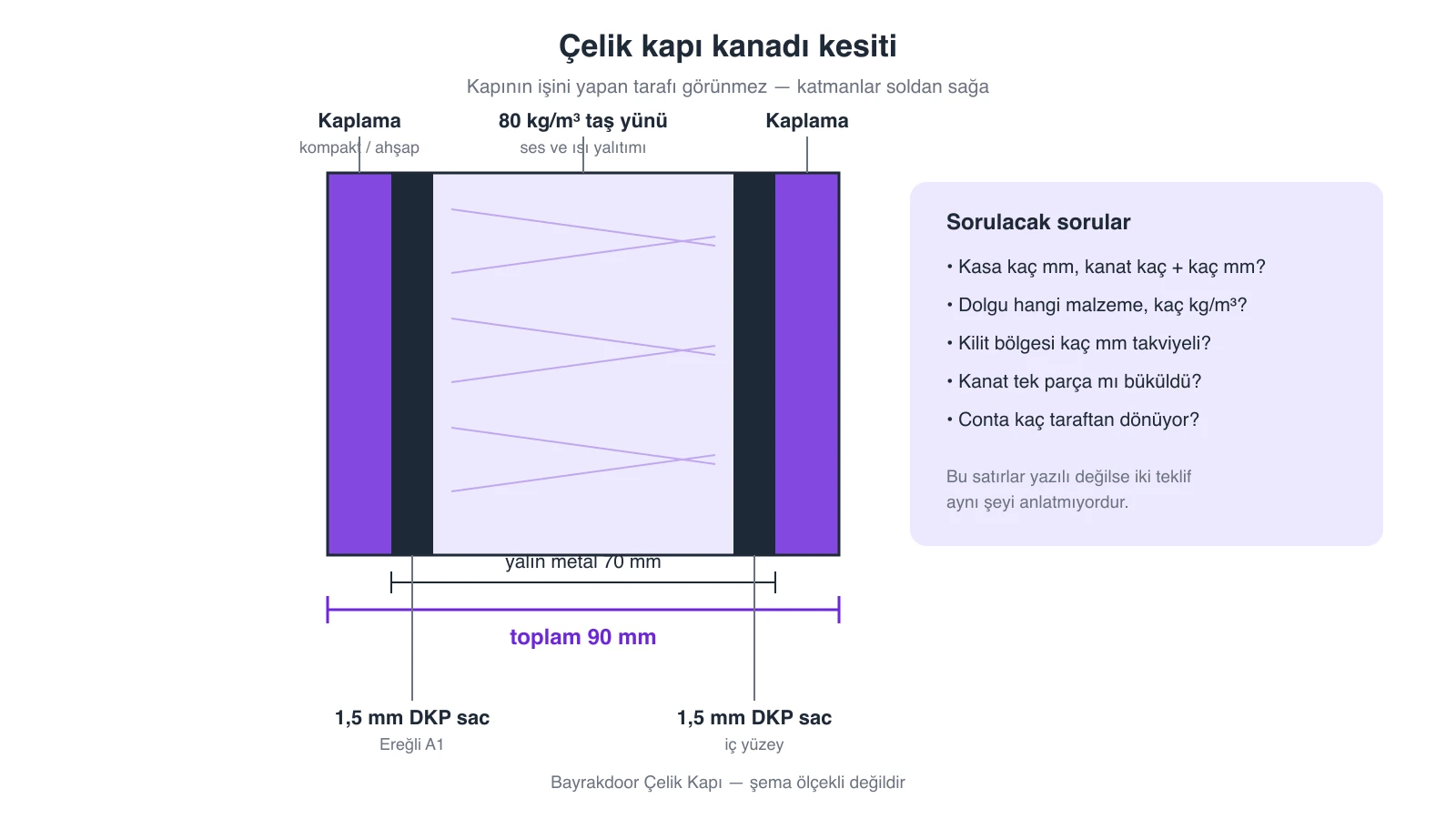
Expected answer: Two separate numbers, with the steel grade stated. "2 mm steel" on its own is incomplete — frame or leaf, who knows. Our standard: Ereğli grade A1 2 mm DKP sheet in the frame, 1.5 + 1.5 mm in the leaf.
Expected answer: "Monoblock pan system" or equivalent. The fewer pieces a leaf is made from, the more rigid it is. Every point where pieces are joined is a potential weakness.
Expected answer: A number. These two zones take the most strain on any door. Ours carry 3 mm sheet plus 3 mm angle-bracket reinforcement.
Expected answer: A material name and a density. "Insulated" is not information. Polyurethane foam settles over time; rock wool doesn't settle and doesn't burn. If no density is quoted, it's low.
Expected answer: A brand name. Phrases like "security lock" or "steel lock" carry no information. Also ask how many points it locks at — we wrote separately about what the point count actually does.
Expected answer: Yes — with a count and a diameter. A door can be attacked from the hinge side too; fixed pins prevent it. Ours have five 20 mm pins on the hinge side.
Expected answer: Stated separately for frame and leaf. Heat and sound leaks mostly happen not through the body but between leaf and frame. Ours: 3 sides on the frame, 4 sides on the leaf.
Expected answer: On site, free of charge, by the seller. If they make you take the measurements, a wrong number becomes your liability. All three measurements are needed; details in the measuring guide.
Expected answer: In writing. Removing the old door, hauling away the debris and the installation itself can look like separate items and get invoiced later.
Expected answer: Item by item. Manufacturing defects, cladding and the lock come with different warranties. With us, the warranty on manufacturing and workmanship defects has no time limit, a 2-year official certificate is issued at delivery, and components carry up to 25 years. Details on the warranty page.
Put these ten questions to every company in the same order and ask for written answers. The price gap between two quotes usually hides in these lines. Our full production standard is published openly on the Production, Certificates and Brand page — precisely so you can compare.
We broke down which items make up the price in the pricing guide.
Anything agreed only verbally may not be remembered after delivery. Before finalizing the order, ask for these in writing: door model and code, the measurements taken, cladding type and color (with the RAL number if there is one), lock brand and model, glass type, hardware grade, whether installation and old-door removal are included, delivery time and warranty scope.
The list may look long, but it all fits on one page. A seller who avoids putting the quote in writing is leaving something to argue about later.
You can't see inside an installed door. That's why visiting the factory during production is the most concrete check. You can also ask for a cross-section sample; serious manufacturers keep a leaf cross-section on hand, where the infill, sheet thickness and reinforcement are all visible.
For made-to-measure production, a deposit is normal; since the door is being built for your entrance alone, the manufacturer wants some assurance. What matters is that the amount is reasonable and what it covers is in writing.
Open and close the door together: is the leaf-frame gap even all around, do the lock bolts enter without strain, does the door drift on its own when left half-open, does the gasket make contact all the way around? Do these checks while the installation crew is still there.
At delivery. With us, the warranty on manufacturing and workmanship defects has no time limit; a 2-year official warranty certificate is also issued, and components such as the lock can carry up to 25 years depending on their manufacturer.
Whoever took the measurements. That's why the seller should measure on site and the figures should be in writing. Our own team takes the measurements — the liability is ours.
Yes — do. Cladding and color decisions can't be made from a screen; the same RAL code reads differently on different surfaces. Examine the sample where the door will be installed, in daylight.
Ask for the delivery time to be written into the contract. With made-to-measure production the timeline follows the production schedule; giving a realistic date is the manufacturer's responsibility.
Erdi Yavuz — Founder of Bayrakdoor Steel Doors. Over 20 years of steel door manufacturing experience. Production takes place at our own factory in Gaziosmanpaşa, Istanbul; measurement, manufacturing and installation belong to the same team.
You can ask about your own door, your measurements or your specific area. Our production team reads these and answers here. If you'd like a faster reply, you can message us on WhatsApp.
Not every problem calls for a new door. When is recladding or a part swap enough — and when does the whole door have to go?
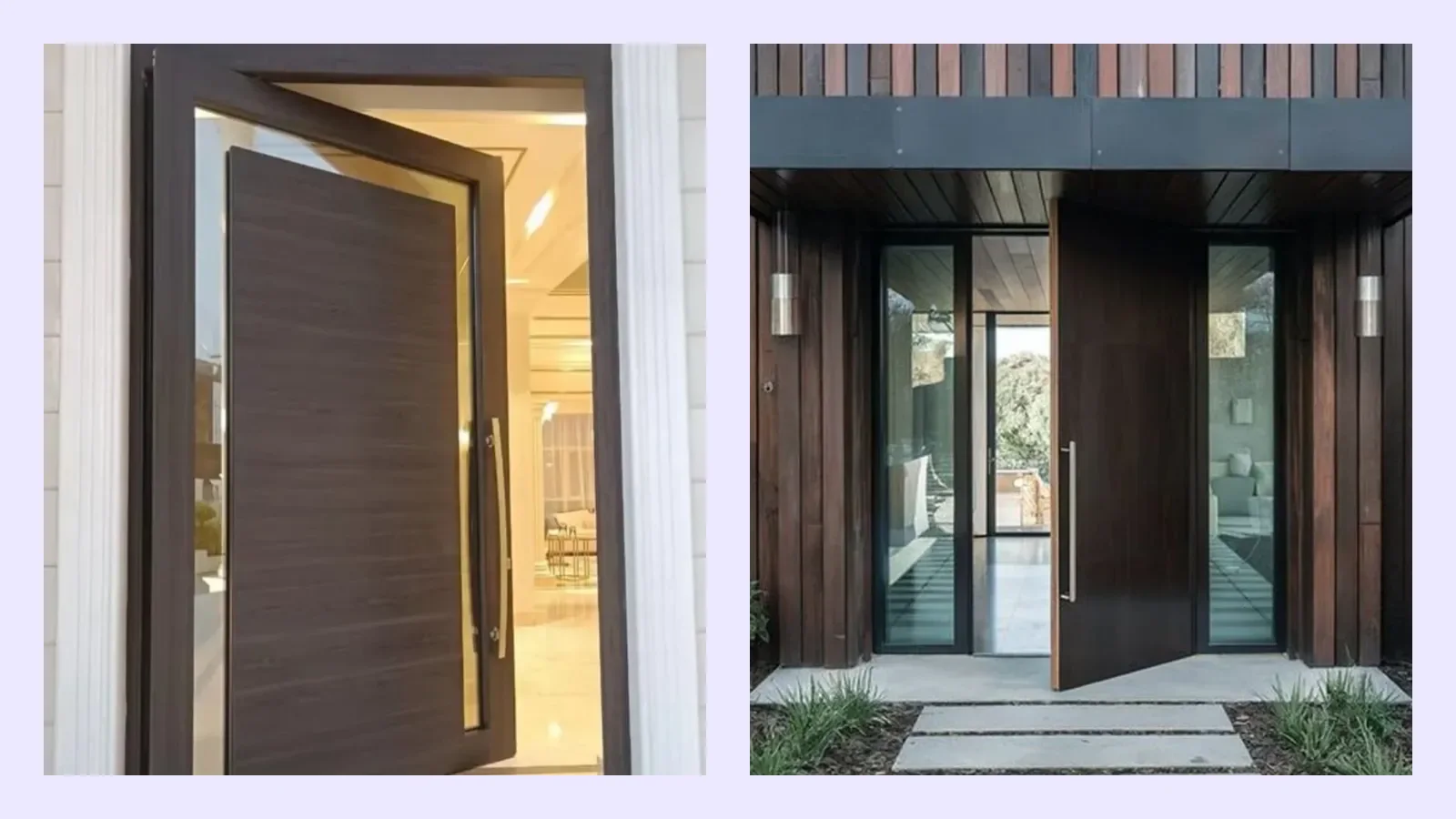
In a villa door, it's clear where costs can be trimmed and where they can't. Skimping on the body and lock cuts security directly — while cladding and glass choices leave real room to save.
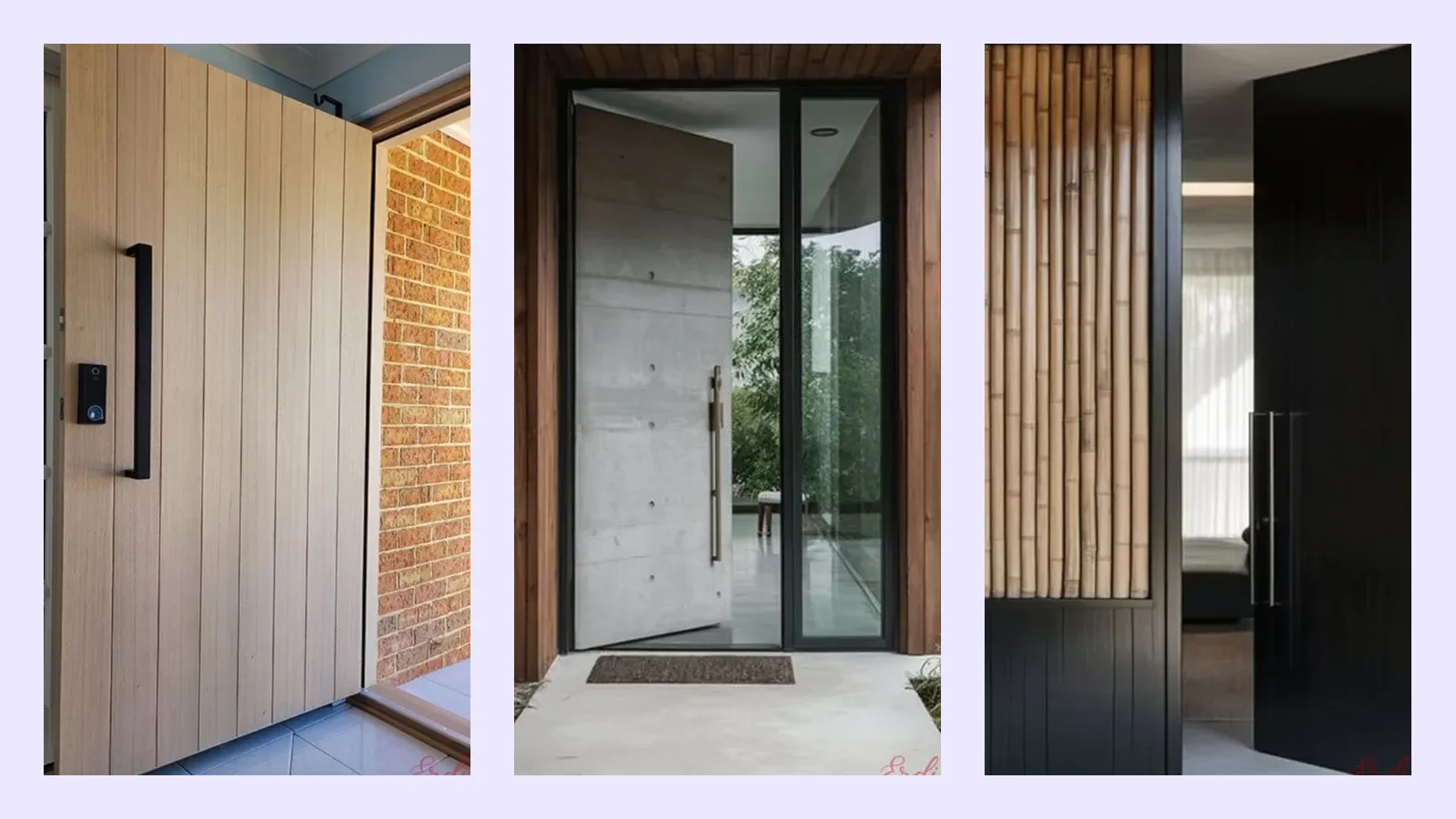
Clear trends are shaping villa entrances in 2026: wider leaves, surfaces that blend into the facade, hidden frames, and a growing appetite for natural texture.