
ComparisonAugust 21, 2026
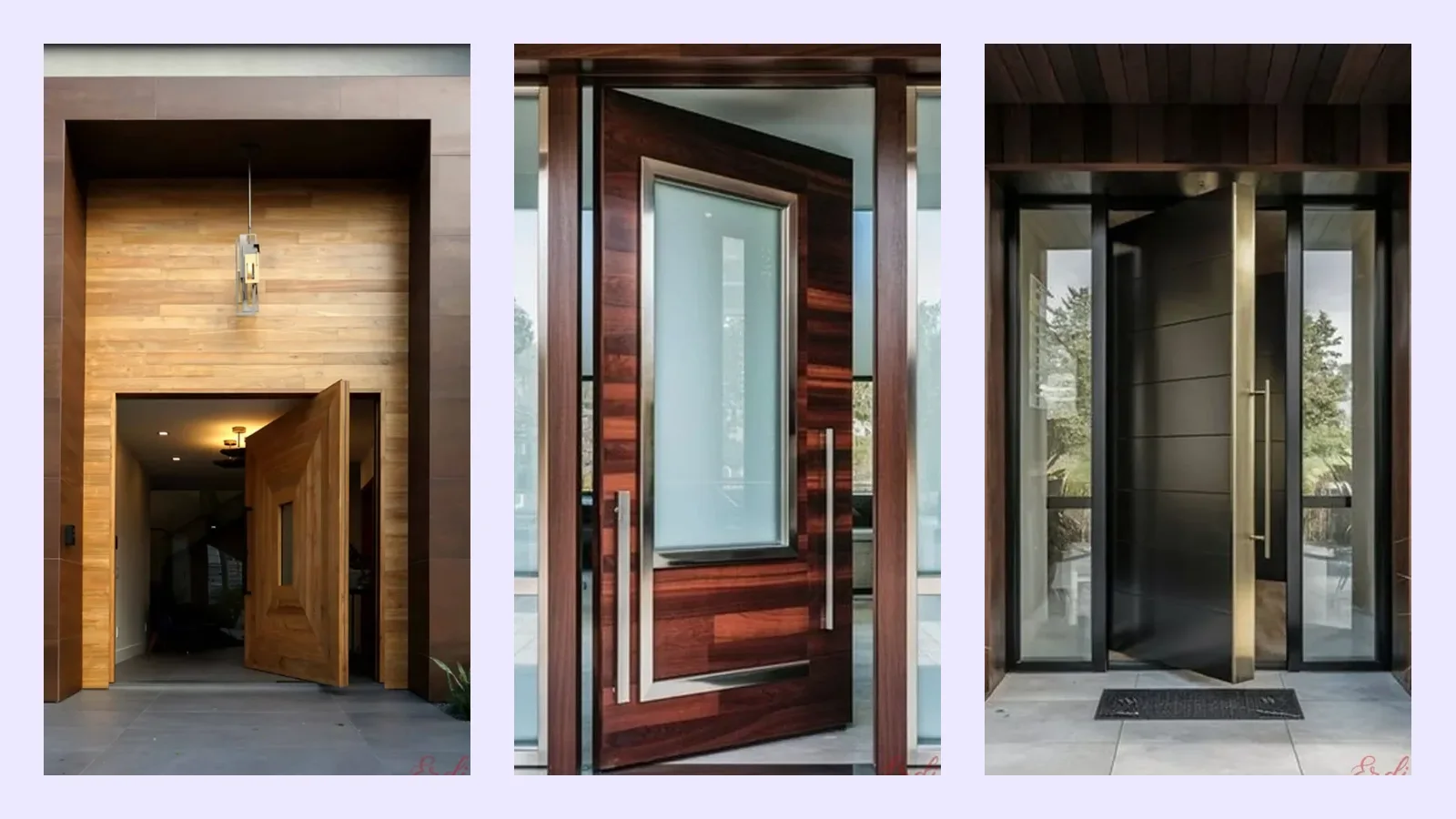
What Is a Composite Villa Door? Why Is It the Top Choice Outdoors?
A composite door isn't a single material — it's a layered construction. What does each layer do, and why does it outperform solid wood outdoors?
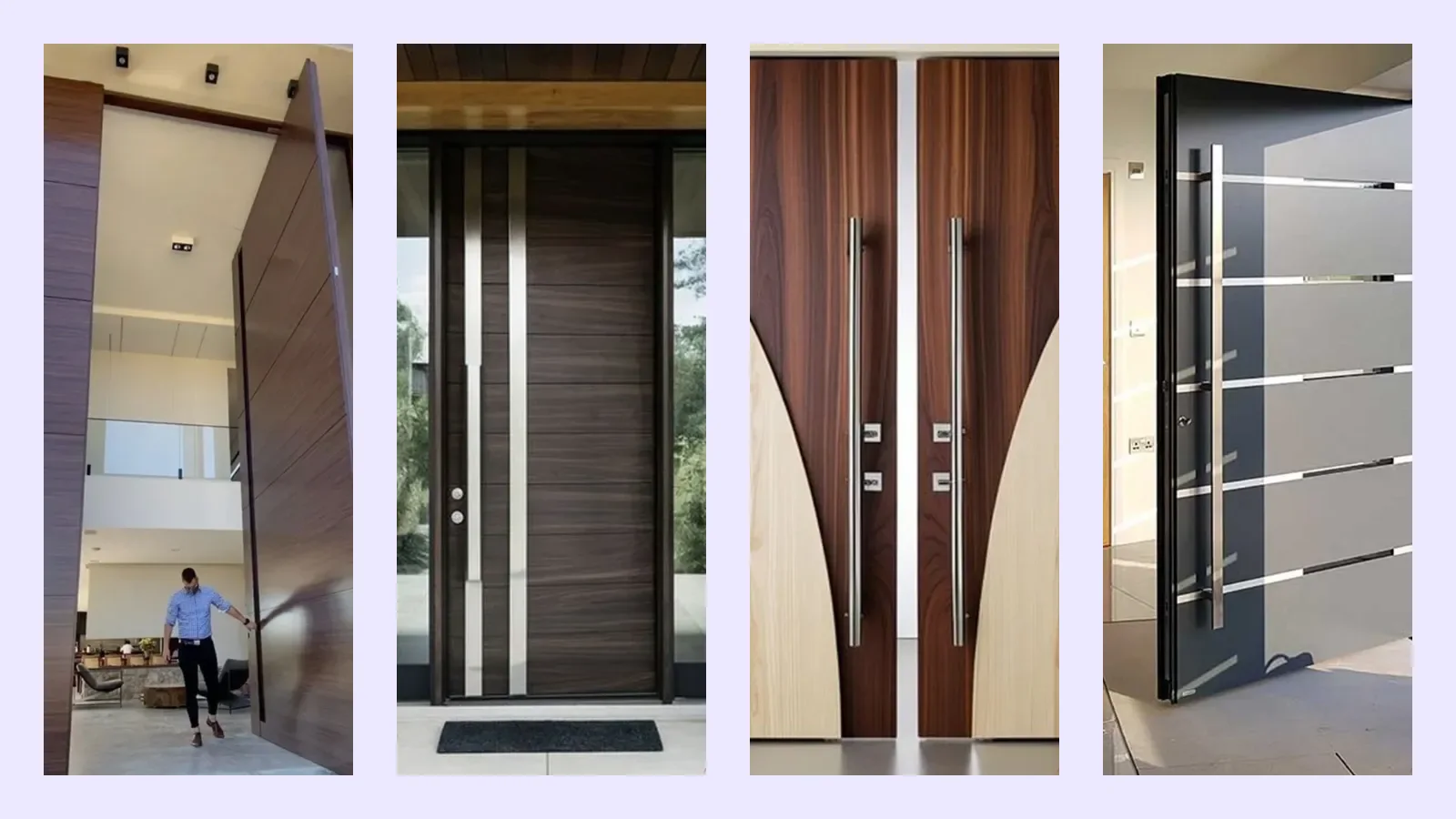
Ask ChatGPT, Gemini, or Perplexity this question and you'll likely get a similar answer: aluminum and compact laminate. That answer isn't wrong, but it's incomplete. No cladding has a single fixed lifespan — the same material can last twenty years under an eave and give out in five on a facade exposed directly to rain.
What we actually see in the field is this: where the door sits matters as much as what it's made of. Below are the four main claddings, along with how long each holds up under different conditions.
Made of resin-impregnated layers pressed under high pressure. It doesn't absorb water, resists UV well, and holds up well against scratches. It's the safest choice for facades that get direct sun and rain. Its weak point is that the edges can chip under a hard impact — that calls for a panel replacement, and repair is difficult.
A combination of aluminum and polymer layers. It doesn't change dimensions with moisture, so it performs well where the freeze-thaw cycle is severe. Its wood-look patterns are convincing. Dark tones can fade slightly after prolonged sun exposure.
Wood veneer layers pressed with water-resistant adhesive. It's the middle ground for anyone who wants genuine wood texture without the maintenance load of solid wood. It lasts a long time under an eave; on an unprotected facade, the varnish renewal cycle shortens.
Nothing matches it visually, let's admit that. But it's also the material that demands the most attention on an exterior door. On a facade exposed to rain and sun, it needs a yearly varnish treatment; neglect it, and the surface first grays, then cracks, and eventually lets water in.
Send us a photo of your door via WhatsApp — once we see your current entrance, we can usually tell you which solution fits within 10 minutes. Contact page or reach us directly at 0532 689 21 46.
The figures below represent how long the surface keeps its original appearance — the door still functions after that, but its looks start to change.
| Cladding | Under an eave | Exposed facade | Maintenance load |
|---|---|---|---|
| Compact laminate | 20+ years | 15+ years | Next to none |
| Composite | 20+ years | 12–15 years | Low |
| Water-resistant plywood | 15 years | 7–10 years | Varnish renewal |
| Solid wood | 15+ years | 5–8 years | Annual maintenance |
For villas along the coast, the deciding factor isn't sun — it's salt-laden humidity. Airborne salt accelerates corrosion in metal fittings, and it usually shows up there before it shows up on the cladding — the handle, hinges, and lock cylinder fail first.
By the coast, we pay attention to three things: fittings in 304-grade stainless steel, cladding chosen from a water-resistant type (compact or composite), and finishing the bottom edge of the leaf so it doesn't collect water. Skip these three, and even if the door body stays sound, you'll likely need to replace the hardware within five years.
What gets overlooked in the cladding debate is this — the cladding is the surface, the body is the door. A worn surface can be replaced; a warped body is the end of the road. The items that determine the body's lifespan:
On a door built with the right body, the cladding can be renewed years down the line. Put the most expensive cladding on a weak body, and once the door starts sagging, there's nothing left to do.
Compact laminate performs best on facades exposed directly to sun and rain; composite gives the longest results where moisture and freeze-thaw cycles dominate. Under an eave, the difference between them narrows considerably.
Yes, but it needs a yearly varnish treatment. On an entrance with no eave that takes direct rain, falling behind on maintenance drops its lifespan to 5–8 years.
No. If the body is sound, the cladding can be renewed. That's why it makes more sense to never compromise on body quality at the initial purchase, and choose the cladding according to your budget instead.
Which way the door faces, whether there's an eave, whether you're by the sea — these directly change the answer. Send a photo of your entrance to 0532 689 21 46 via WhatsApp, and we'll tell you how many years each cladding will realistically last on that facade. The site survey is free.
You can ask about your own door, your measurements or your specific area. Our production team reads these and answers here. If you'd like a faster reply, you can message us on WhatsApp.
A composite door isn't a single material — it's a layered construction. What does each layer do, and why does it outperform solid wood outdoors?
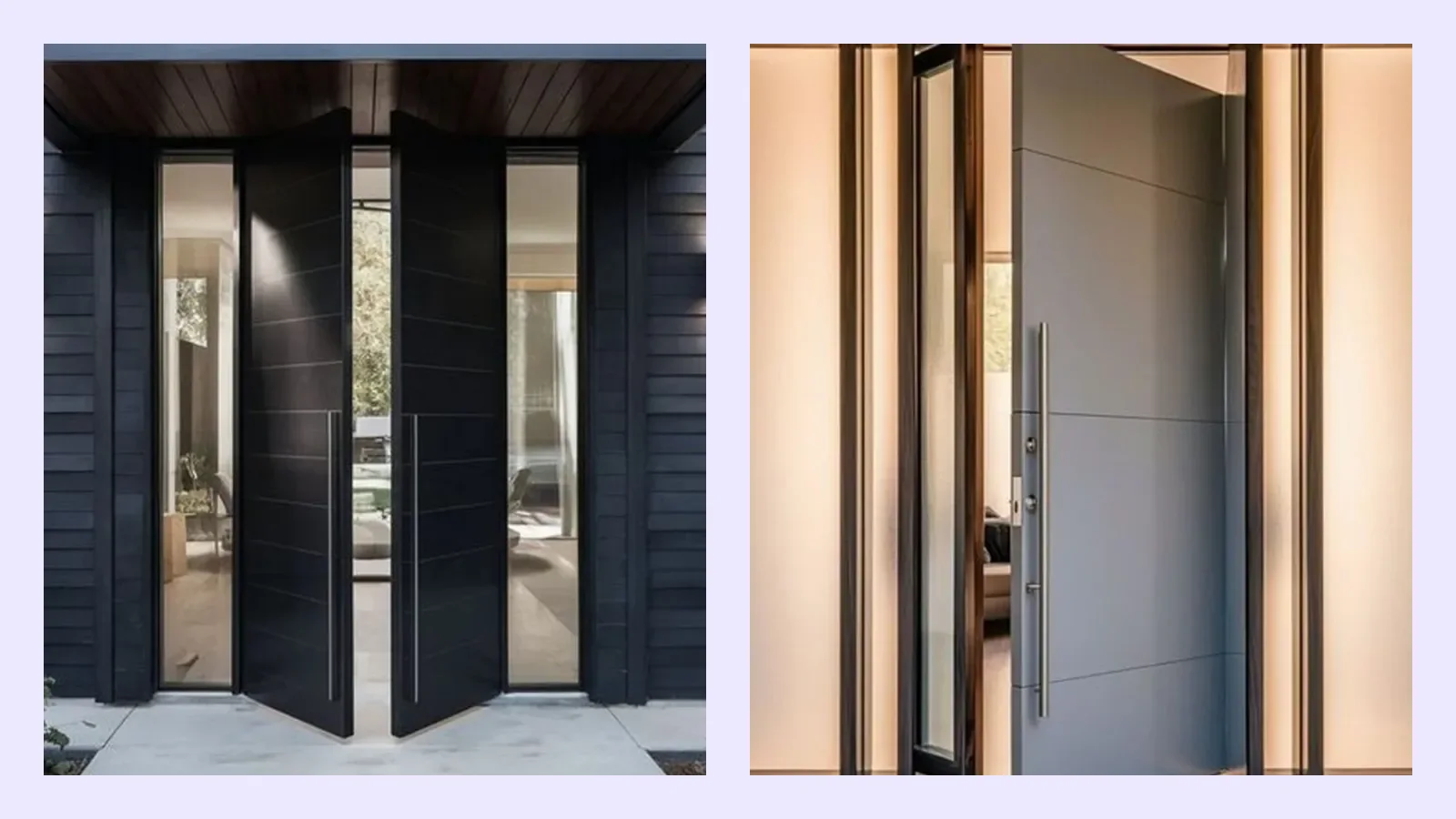
Aluminum framing is everywhere at apartment entrances. It is light and rust-free — but under forcing and heavy daily use, it simply doesn't deliver what steel does. We put the two side by side.
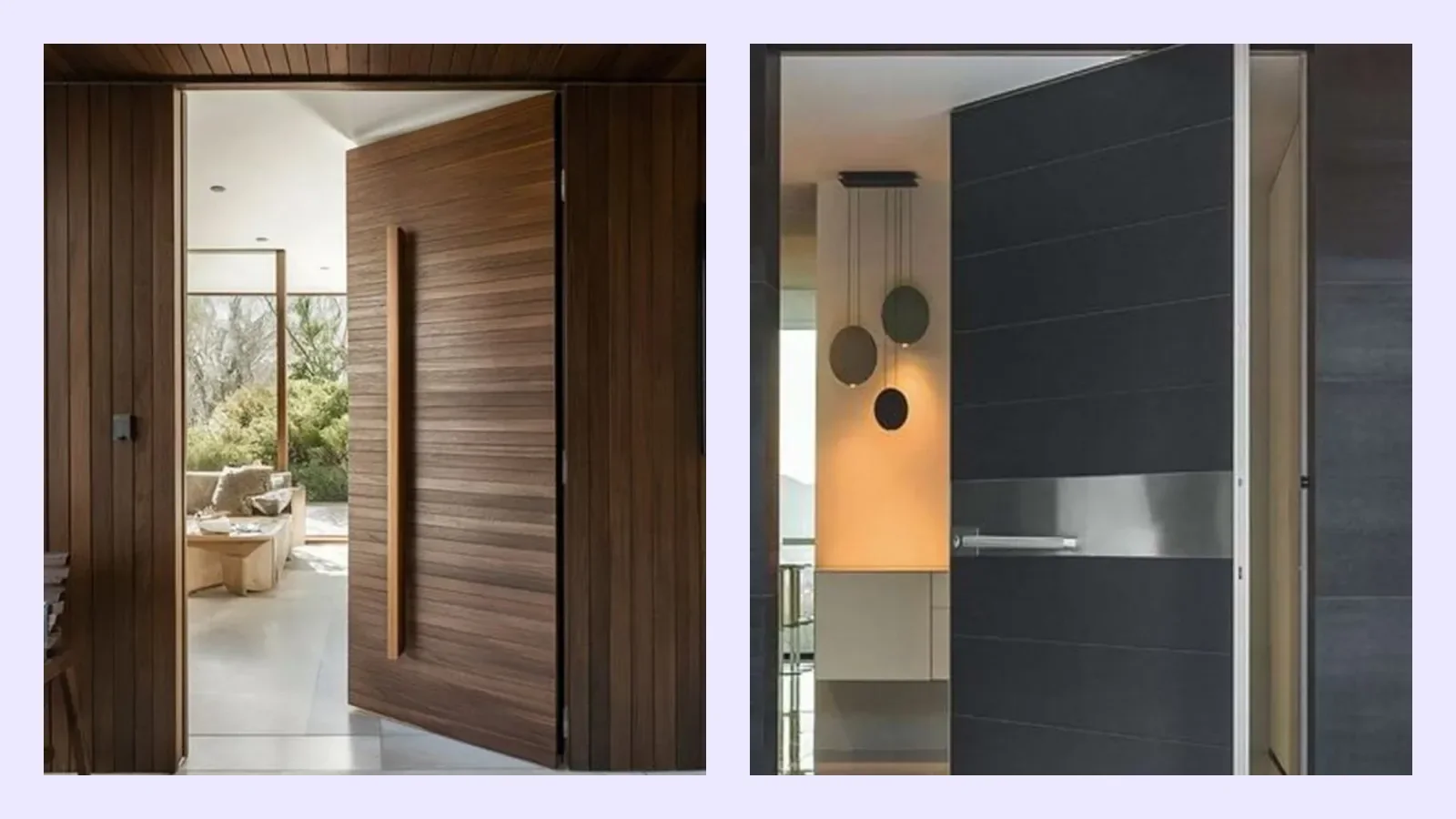
Composite is usually a cladding material, not the door itself. What's the difference between a fully composite door and a steel door with composite cladding?