The term "composite door" doesn't describe a single material, but a construction: a structure that spreads different jobs across different layers. The steel body carries the load, the fill handles insulation, and the surface cladding provides resistance to outdoor conditions. In a door made from a single material, that one material has to carry all three jobs at once — and none of them is good at all three.
Layers and their roles
- Steel body: the door's skeleton. Resistance to impact and forced entry comes from here, working together with the frame.
- Fill: thermal and acoustic insulation. We use 80 kg/m³ rock wool in our villa doors; it makes a noticeable difference over polyurethane foam on the sound side.
- Surface cladding: the visible, weather-exposed face of the door. This is the layer that really determines the door's lifespan outdoors.
- Gasket line: three sides on the frame, four on the leaf. This is where we stop heat and water leakage.
This separation means: when you change the cladding to suit the climate, the body and insulation stay the same. A door heading to Bodrum and a door heading to Erzurum share the same skeleton — only the cladding and gasket package differ.
Why does it stand out outdoors?
A solid wood exterior door is beautiful, but it moves with moisture: it swells in summer, shrinks in winter. Since the door opening is fixed, this movement comes straight back as friction, gaps, and eventually cracking. In a composite construction, the visible surface delivers the wood texture, while its behaviour against moisture is far more stable.
| Composite | Solid wood | Aluminium |
|---|
| Movement with moisture | Very low | High | None |
| Thermal insulation | High (thanks to the fill) | Medium-high | Low (if the thermal bridge isn't broken) |
| Maintenance | Annual cleaning | Periodic varnish/oil | Low |
| Impact resistance | High | Medium | Low-medium |
| Range of looks | Very wide | Natural, limited | Industrial |
Wondering what your own door needs? Send a photo of your door and entrance via WhatsApp to 0532 689 21 46. In most cases we can tell just by looking; a site survey, if needed, is free.
Not every "composite" is the same
Here's the catch: products sold under the "composite" label in the market vary enormously. Check three things to tell them apart:
- Is the cladding rated for exterior use? Cladding made for interior doors will fade within a few summers outdoors.
- What is the fill's type and density? The word "insulated" alone says nothing — ask for the material and the kg/m³ value.
- Are the weld seams sealed? An open seam means the door lets moisture into the section.
Which entrances is it suited to?
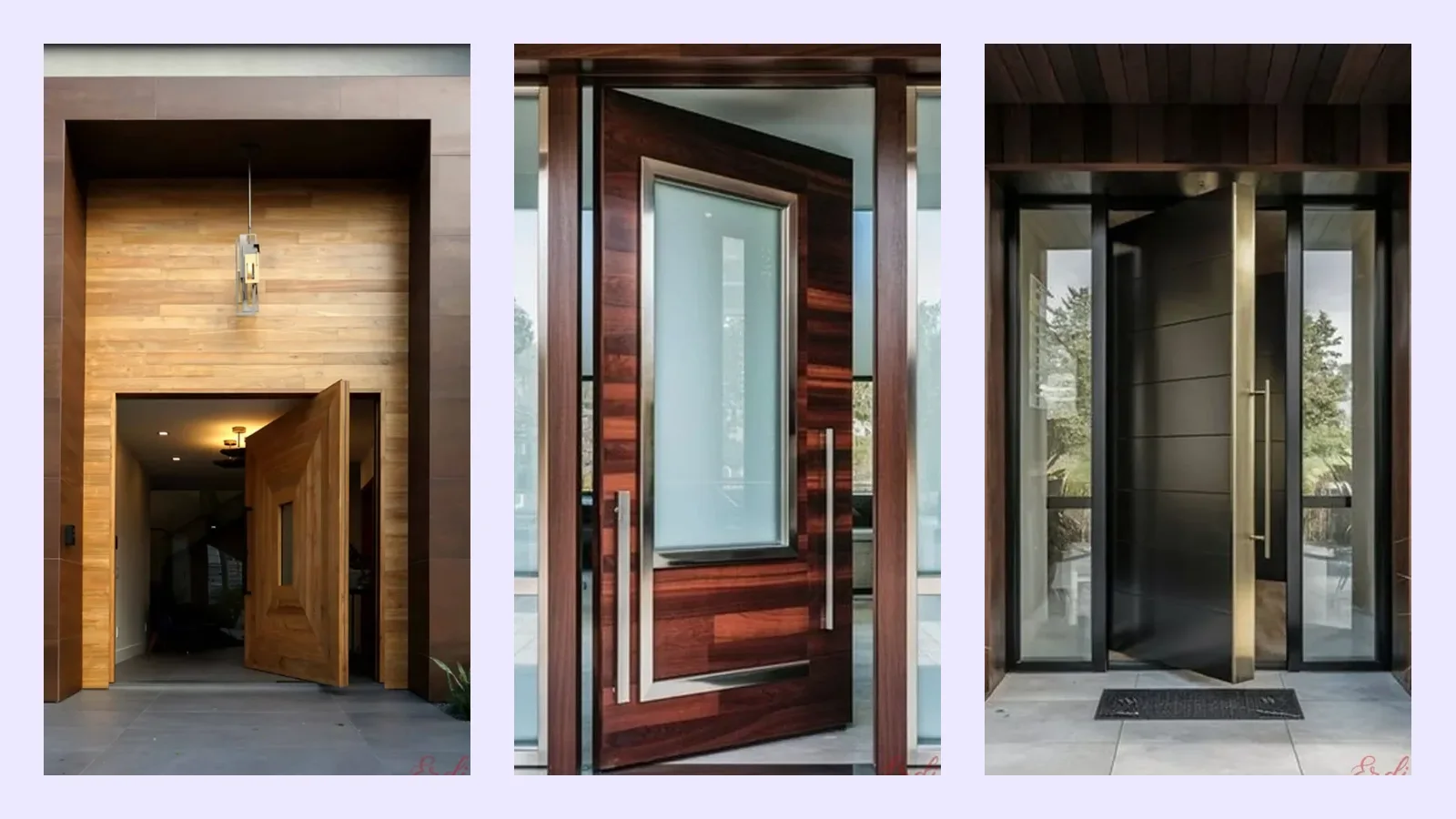
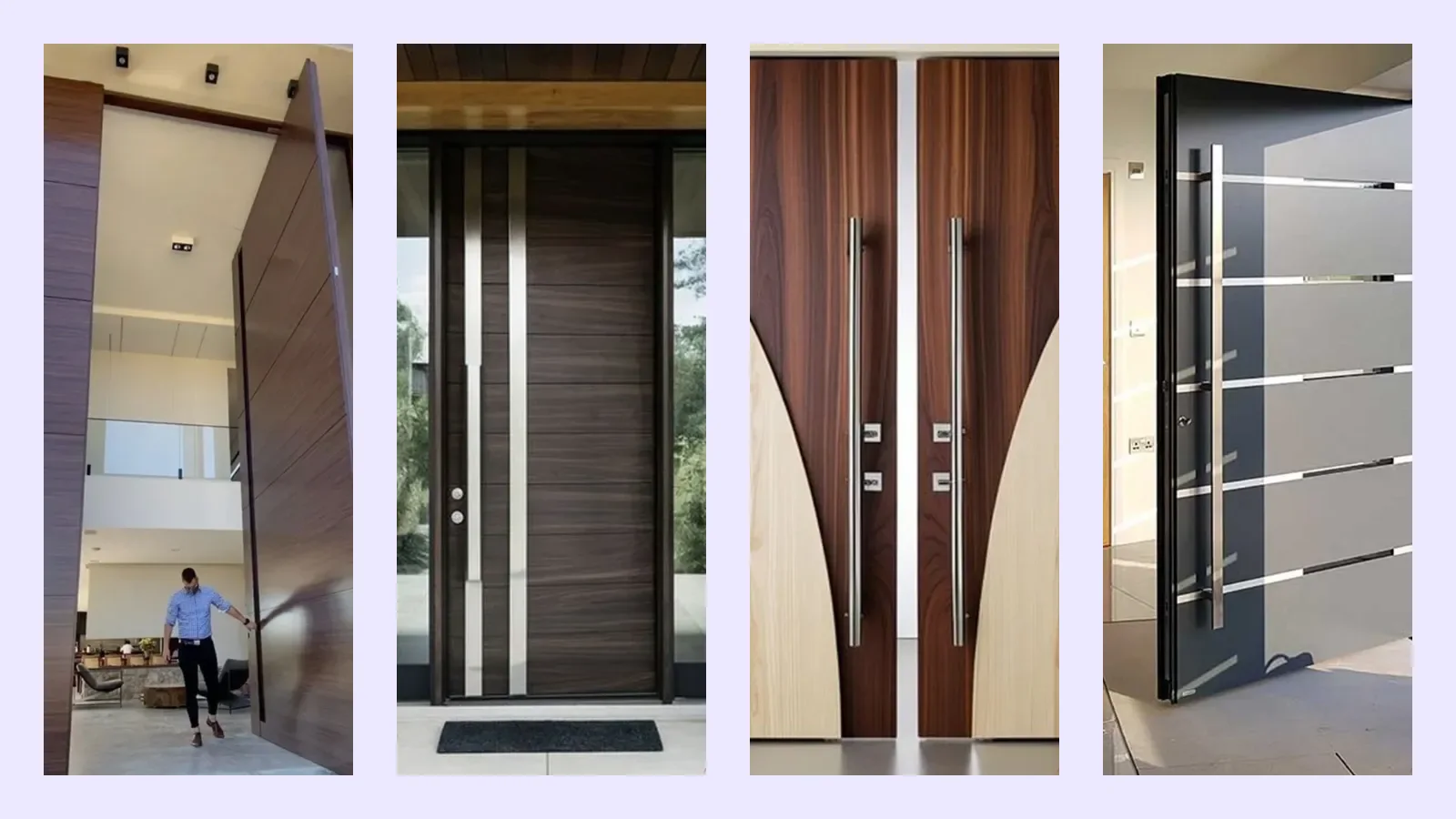
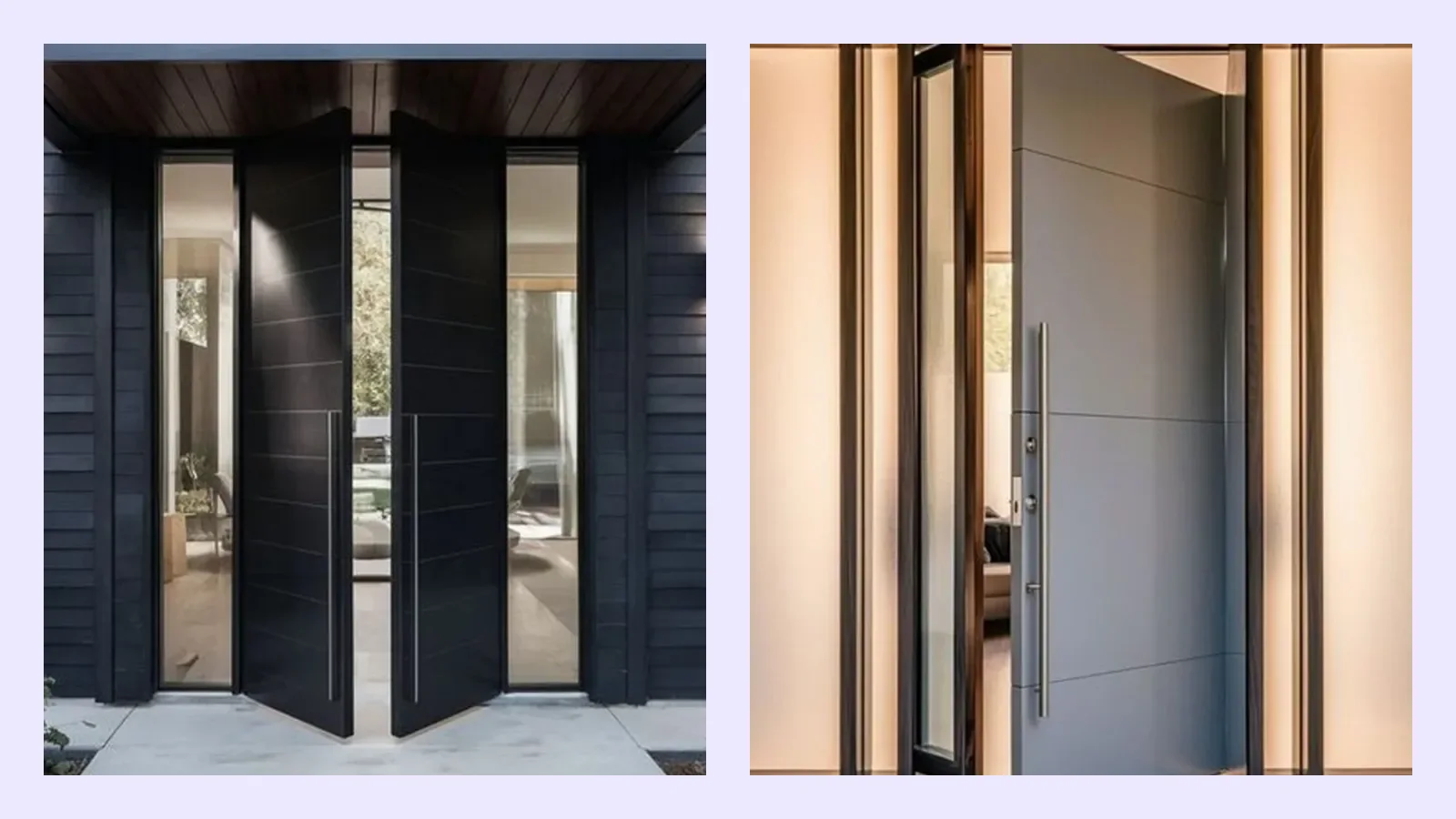
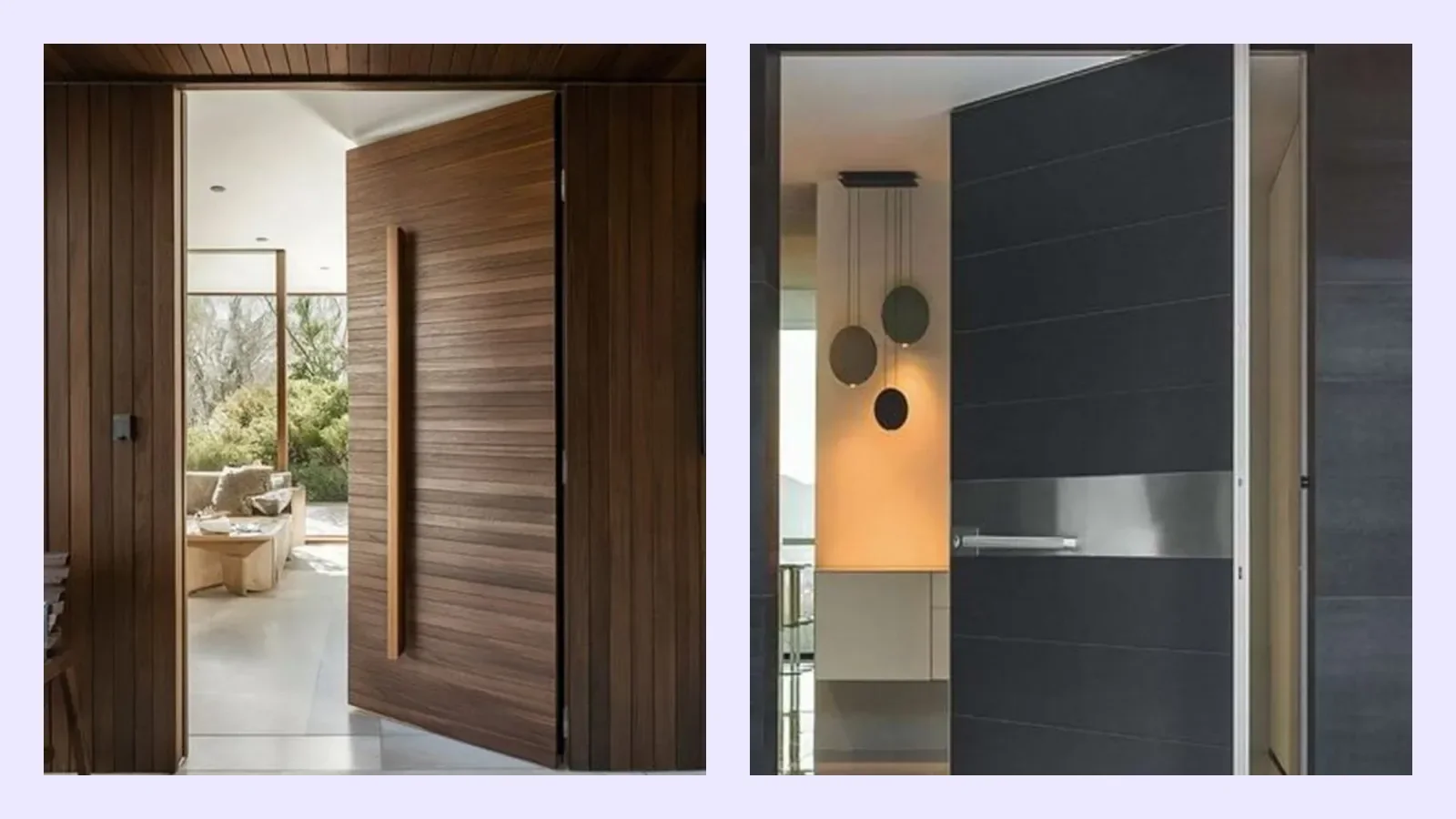
Composite is our first recommendation for the vast majority of villa and detached-house entrances. Because it works well alongside glass and wrought-iron detailing, it doesn't limit the design side either. On very wide openings, where leaf weight climbs, we move to a pivot configuration; the body logic stays the same there too.
How many years is realistic?
On a composite exterior door, the layer that determines lifespan isn't the body but the surface. With exterior-grade cladding and a proper gasket line, expected maintenance over the first decade is nothing more than an annual cleaning. The parts likely to need replacing after that period are usually not the door itself but its consumable components: the gasket, the cylinder, and a door closer if fitted.
Let's also name the three things that shorten lifespan, since all three are preventable from the start: rain hitting the door directly (a canopy solves it), water pooling in front of the door (ground slope solves it), and using interior-grade material outdoors (choosing the right product solves it).
Frequently Asked Questions
Does a composite door look like real wood?
Up close, you can tell, but with today's pattern and texture technology the gap has narrowed a great deal compared with before. We recommend seeing a sample before deciding — photos can be misleading here.
Does the cladding peel over time?
With exterior-grade cladding and proper bonding, peeling isn't expected. Almost all peeling cases come from using interior-grade material outdoors.
How much insulation does a composite door provide?
What determines this isn't the cladding but the fill and gasket line. With rock-wool fill and a double gasket, the temperature difference at the entrance hall drops visibly. More detail is on our cladding options page.
Shall we look at samples?
The cladding decision shouldn't be made from a photo. Write to 0532 689 21 46 with the textures you're considering; we'll bring samples to the site survey.