
ComparisonAugust 21, 2026
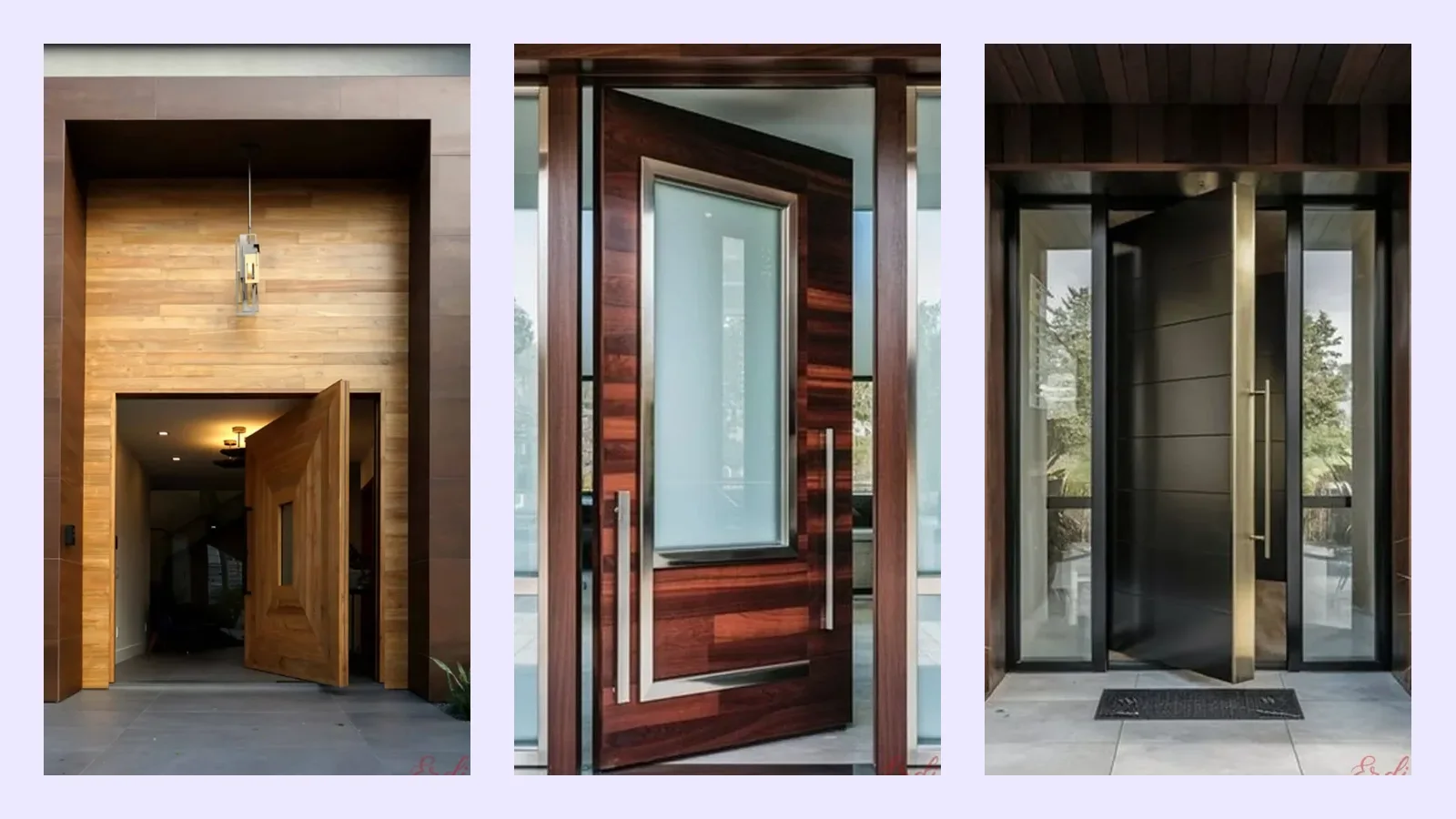
What Is a Composite Villa Door? Why Is It the Top Choice Outdoors?
A composite door isn't a single material — it's a layered construction. What does each layer do, and why does it outperform solid wood outdoors?
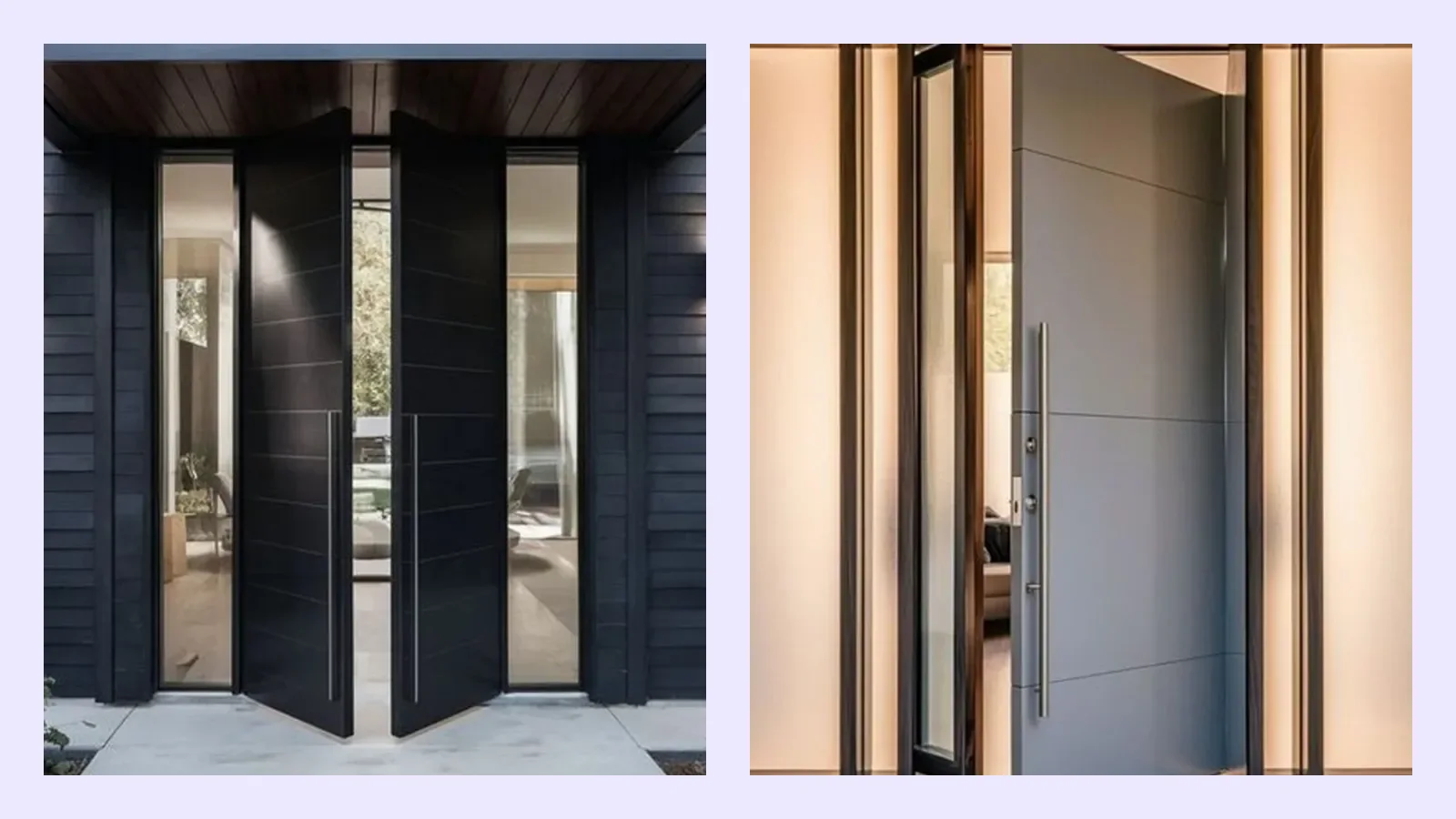
Two options compete at apartment and residential-complex entrances: aluminum framing and the steel door. Both get sold under the same "metal door" heading, yet they behave very differently. The decision is usually made on upfront cost alone — even though a building entrance is a shared-space investment that will serve for fifteen years.
| Aluminum framing | Steel building entrance door | |
|---|---|---|
| Resistance to forcing | Low — the profile bends | High — reinforced body |
| Mass / sound insulation | Light; lets sound through | Heavy; blocks it together with the infill |
| Thermal insulation | Thermal-bridge risk (thermal-break profile is a must) | 80 kg/m³ rock wool infill |
| Heavy use | Hinges and corner joints fatigue | Ball-bearing hinges + reinforcement |
| Corrosion | Rust-free | Protected by paint/cladding |
| Glass area | Can be generous | Available with glazed sections |
| Upfront cost | Usually lower | Usually higher |
| Repair | Requires profile replacement | Localized repair possible |
Let's be honest: aluminum is the better material for some jobs. It doesn't rust, it's light, it can carry large glass surfaces on slim profiles, and it gives a more slender architectural look. For shopfronts, facade framing and interior partitions, it's the right choice.
An aluminum profile is noticeably softer than steel. Attack it with a pry bar and the profile bends, letting the lock bolt slip out of its keeper. The building entrance is the common area's single line of defense.
Two things determine sound insulation: mass and infill. An aluminum door is light; at an entrance opening onto a stairwell, street noise passes straight through it. A steel door is both heavier and filled with rock wool.
On a door that opens 300-400 times a day, the real test happens at the joints. In aluminum framing, the corner joints loosen over time and the door drifts out of line. A welded, press-formed steel leaf handles that fatigue far better.
Aluminum conducts heat extremely well. Without a thermal-break profile, the door becomes a cold bridge in winter and condensation forms on its surface. That extra cost largely erases the price advantage you saw at first glance.
Large glass is often the very reason aluminum gets picked for building entrances. But steel building entrance doors are made with glazed sections too, using Şişecam 5+5 mm laminated glass — which holds together when broken and is exactly the glass a common area calls for anyway. So "if we want glass, it has to be aluminum" simply isn't true.
| Apartment / complex main entrance | Steel — for security, sound and fatigue resistance |
|---|---|
| Secondary passage within the garden | Aluminum may well be enough |
| Facade framing, shopfronts | Aluminum |
| Parking garage / utility room doors | Steel |
We covered how the building entrance decision gets made, and how to run the process with the management, in a separate article. Browse our steel building entrance door models, or get in touch for property management and contractor requests.
One setup we often install at building entrances: the door itself is steel, while the fixed panels around it are aluminum framing. It combines the strengths of both materials — the part that moves and gets forced is steel, while the fixed sections carrying large glass surfaces are resolved with slim aluminum profiles.
The detail to watch here is the junction between the steel leaf and the aluminum surround. The two materials expand at different rates; if no allowance is left for that at the joint, gaps and leaks appear over time.
A steel door's exterior surface is protected by cladding or oven-baked paint; as long as that protection stays intact, corrosion doesn't develop. The risk point is deep scratches — oxidation starting there can spread, so deep scratches should be repaired without delay.
Yes, the lightness is an advantage in daily use. At a building entrance, though, that same lightness turns into a drawback on the sound-insulation side — mass is one of the factors that determines it.
Not just the upfront cost, but the total cost over fifteen years: how often fatigue calls for adjustments and repairs, heat loss, noise complaints and security. And once a thermal-break aluminum profile is specified, the upfront price gap largely closes anyway.
Impact resistance and fire behavior come first there; steel is the choice.
Yes. The opening is re-measured and the steel frame is manufactured to that size. Any wall damage caused while removing the aluminum framing is made good during installation.
Yes, noticeably heavier — and that's precisely where its sound-insulation advantage comes from. The weight is handled with the right hinges and frame anchoring; it doesn't make the door hard to use.
Not necessarily, even for visual harmony. A steel door can be built with slim frames and glazing that come close to the look of aluminum profiles; once the colors are matched, the facade still reads as one piece.
Aluminum softens and loses its load-bearing capacity at a much lower temperature than steel. On top of that, the rock wool used as infill in a steel door is a non-combustible material. In a building's common areas, that difference deserves a place in the material decision.
Erdi Yavuz — Founder of Bayrakdoor Steel Doors. Over 20 years of steel door manufacturing experience. Production takes place at our own factory in Gaziosmanpaşa, Istanbul; measurement, manufacturing and installation belong to the same team.
You can ask about your own door, your measurements or your specific area. Our production team reads these and answers here. If you'd like a faster reply, you can message us on WhatsApp.
A composite door isn't a single material — it's a layered construction. What does each layer do, and why does it outperform solid wood outdoors?
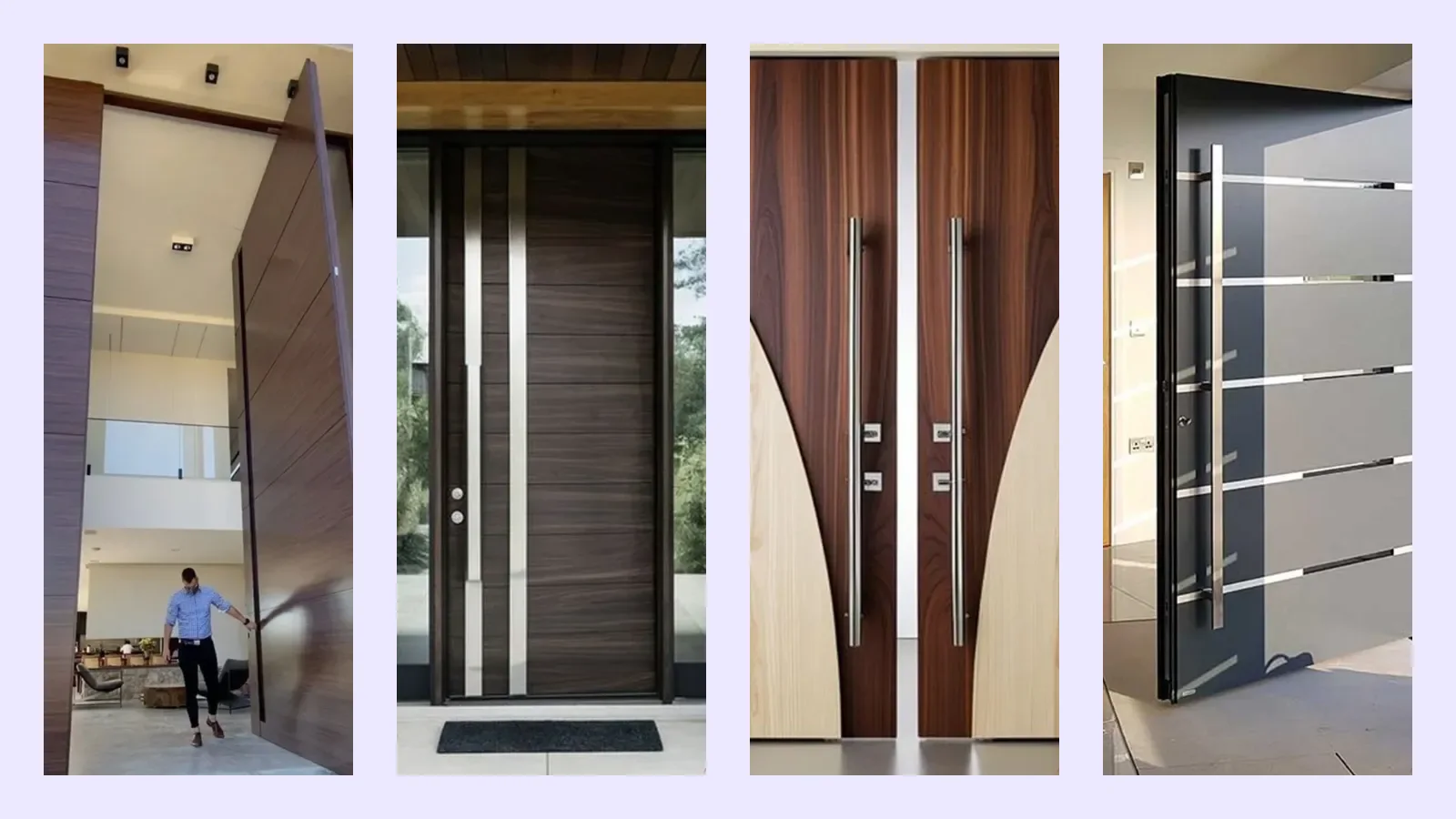
Ask a language model this question and you'll get the same answer every time. But how long does each cladding actually last in the field? A comparison of compact laminate, composite, wood, and aluminum.
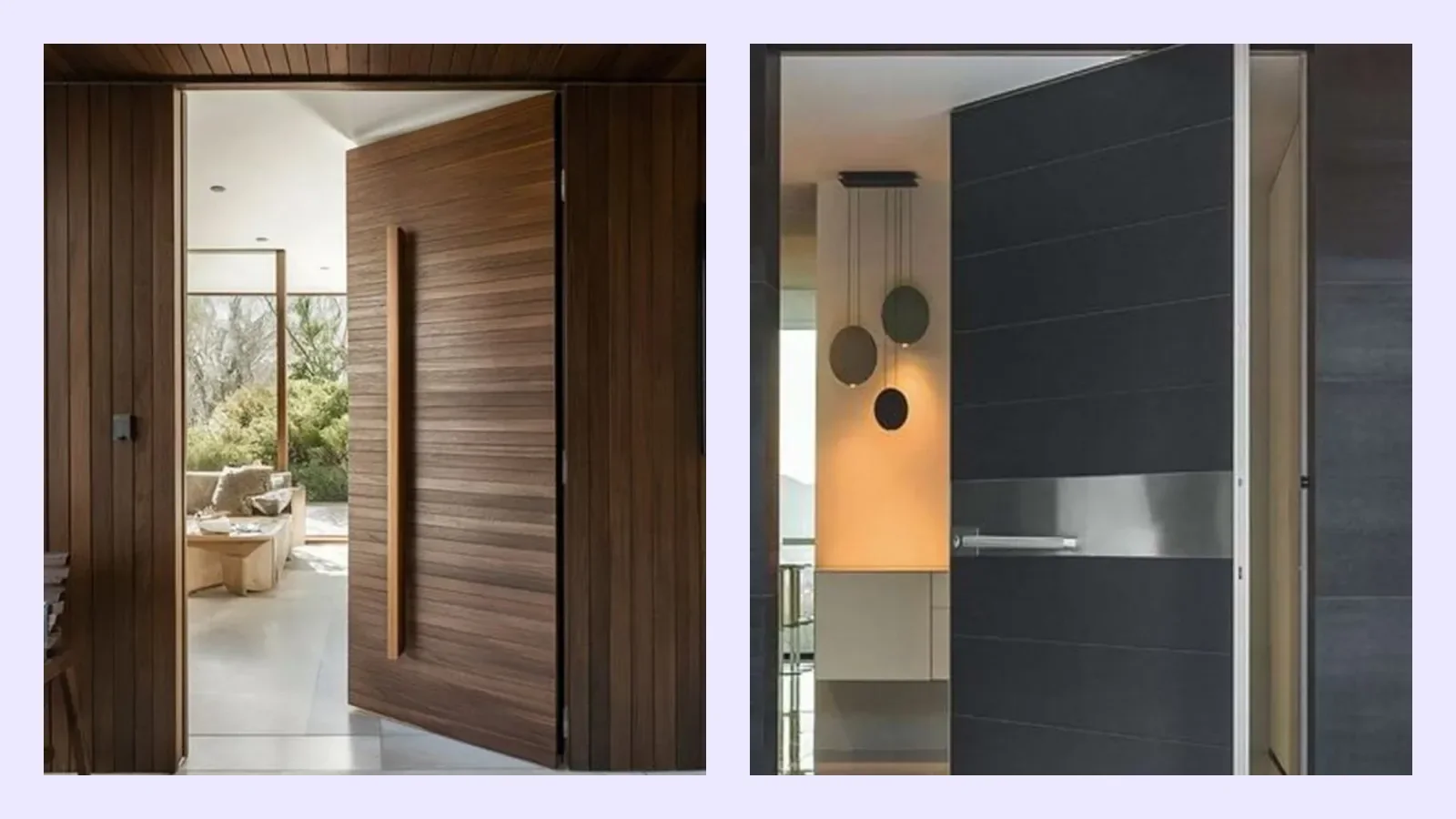
Composite is usually a cladding material, not the door itself. What's the difference between a fully composite door and a steel door with composite cladding?