
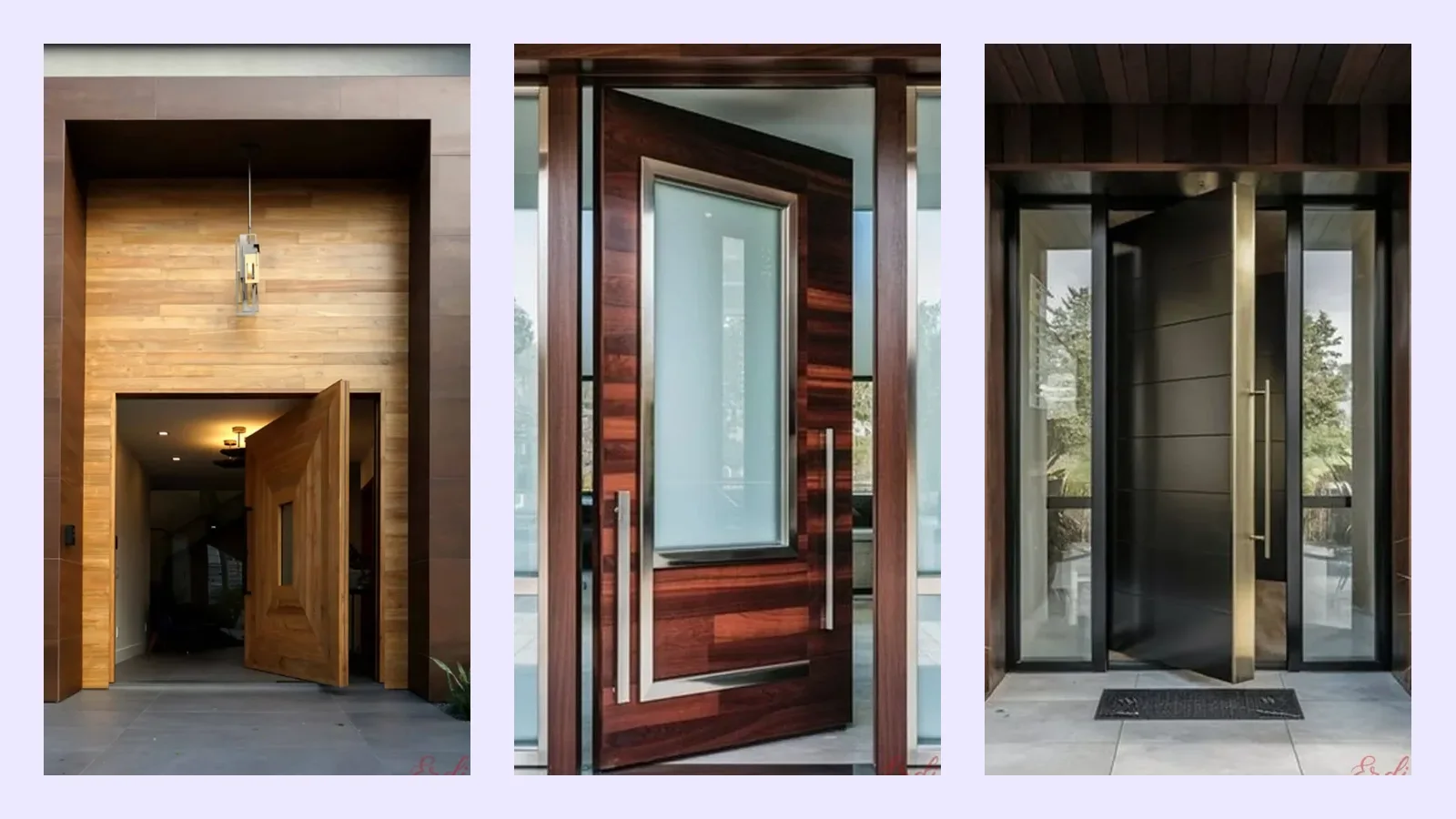
ComparisonAugust 21, 2026
What Is a Composite Villa Door? Why Is It the Top Choice Outdoors?
A composite door isn't a single material — it's a layered construction. What does each layer do, and why does it outperform solid wood outdoors?
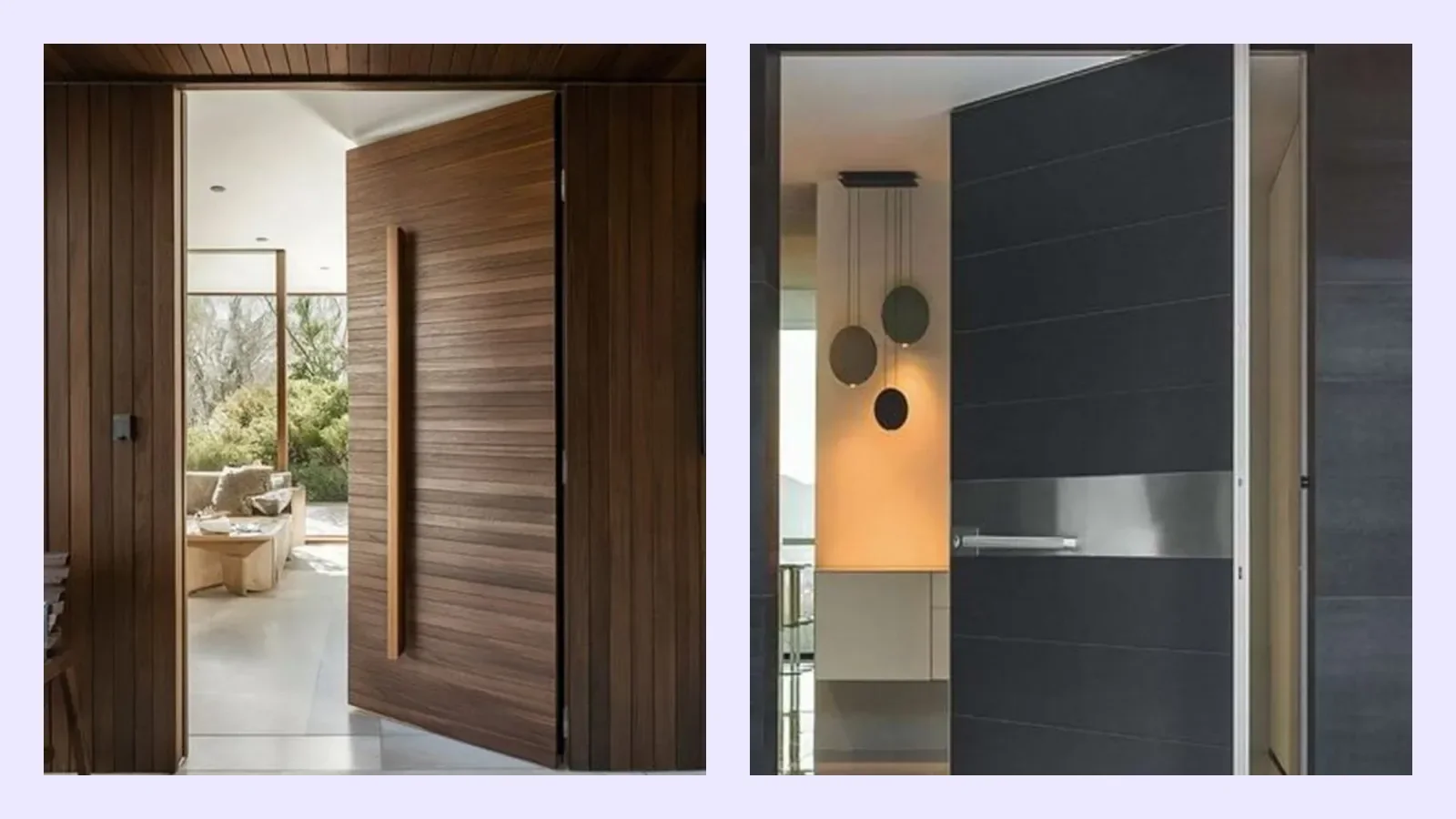
The term "composite door" gets used in the market to describe two different things, and this mix-up misleads buyers. Let's clear up the distinction.
Fully composite door: a door whose body is also made from composite material. There's either no steel construction inside, or only a limited amount. It's light, doesn't rust, and holds heat well. Its resistance to impact and forced entry, however, is lower than steel.
Steel door with composite cladding: the body is steel; composite is only the surface cladding. The steel body handles the door's structural and security job, while the composite protects the surface from outdoor conditions. This is what we build, and what "composite villa door" means when we use the term.
| Fully composite door | Steel door with composite cladding | |
|---|---|---|
| Body | Composite / wood-composite | Ereğli A1-grade cold-rolled steel, monoblock |
| Forced-entry resistance | Limited | High — reinforced body + multi-point lock |
| Weight | Light | Heavy — may require a pivot system |
| UV / moisture resistance | High | High (same cladding material) |
| Thermal insulation | Good | Good — 80 kg/m³ rock wool fill |
| Acoustic insulation | Moderate | High — mass and fill work together |
| Lock system | Generally limited | Mottura / Mul-T-Lock, multi-point |
| Repairability | Surface damage is hard to repair | Cladding can be replaced, body remains |
Composite material's outdoor performance is genuinely strong: it doesn't absorb moisture, it doesn't rot, it holds up against UV far better than wood, and it doesn't swell or shrink. For anyone who wants the look of wood without the maintenance burden of solid wood, it's the right answer.
The problem is when this advantage gets stretched into "so the body should be composite too." The part of the door that does the security job is the body, and there's no material there that stands in for steel.
Our approach combines the two: steel body + composite cladding. The body is produced as a monoblock tray system from 2 mm frame and 1.5 + 1.5 mm leaf sheet steel, with the lock and hinge zones reinforced to 3 mm; the outer surface is finished with compact composite. This way you get composite's resistance to outdoor conditions together with steel's resistance to forced entry.
A fully composite door can be a reasonable choice where security is secondary — interior passages, garden pass-through gates, or a second door opening into a sheltered front space. But for the main entrance door facing the outside world, we recommend a steel body.
Composite isn't the only option. Static paint, water-transfer coating, ireko wood and solid wood each behave differently under different conditions. We compared which cladding suits which façade in our cladding guide, and covered how cladding affects price in our price guide.
All of our villa steel door models can be produced with compact composite cladding; the cladding choice is independent of the model choice.
The confusion stems from "composite" being a material class. Composite is a general name given to any product made by combining different materials; it doesn't describe a single product. That's why "composite door" can describe both a door with a composite body and a steel door with a composite surface.
When getting a quote, clear this up: ask "What is the body made of?" If the answer is "steel," composite is only the cladding. If the answer is "composite," the door's structural frame is composite too, and its behaviour under forced entry will differ.
Compact composite noticeably outlasts wood cladding under exterior conditions: it doesn't absorb moisture, doesn't rot, doesn't swell or shrink, and largely holds its colour against UV. It requires no periodic maintenance.
It can be scratched by hard objects, but because the surface is homogeneous, a scratch doesn't expose the material underneath the way it would on a painted surface. Its impact resistance is high compared with other claddings.
It can be used — on garden pass-through gates, a second door opening into a sheltered front space, or interior passages where security is secondary, it's a reasonable choice. For the main entrance door facing the outside world, we recommend a steel body.
Today's composite claddings render wood texture convincingly. Up close, the natural variation in real wood's grain is distinguishable; in return, composite offers consistent colour and pattern.
Compact composite is noticeably more resistant to UV than wood and painted surfaces; it holds its colour for a long time. That's why it's preferred on façades that get direct sun.
Depending on cladding thickness, leaf weight does increase. On wide leaves this weight affects hinge selection; past a certain point, a pivot system may be needed. That's why cladding and dimensions are evaluated together.
Ask for a cross-section sample. Serious manufacturers keep a leaf cross-section on hand; the sheet layers, fill and reinforcement are directly visible there. The door's weight is also a clue — a fully composite door is noticeably lighter.
Erdi Yavuz — founder of Bayrakdoor Steel Doors. Over 20 years of experience manufacturing steel doors. Production takes place at our own factory in Gaziosmanpaşa, Istanbul; measurement, manufacturing and installation are handled by the same team.
You can ask about your own door, your measurements or your specific area. Our production team reads these and answers here. If you'd like a faster reply, you can message us on WhatsApp.
A composite door isn't a single material — it's a layered construction. What does each layer do, and why does it outperform solid wood outdoors?
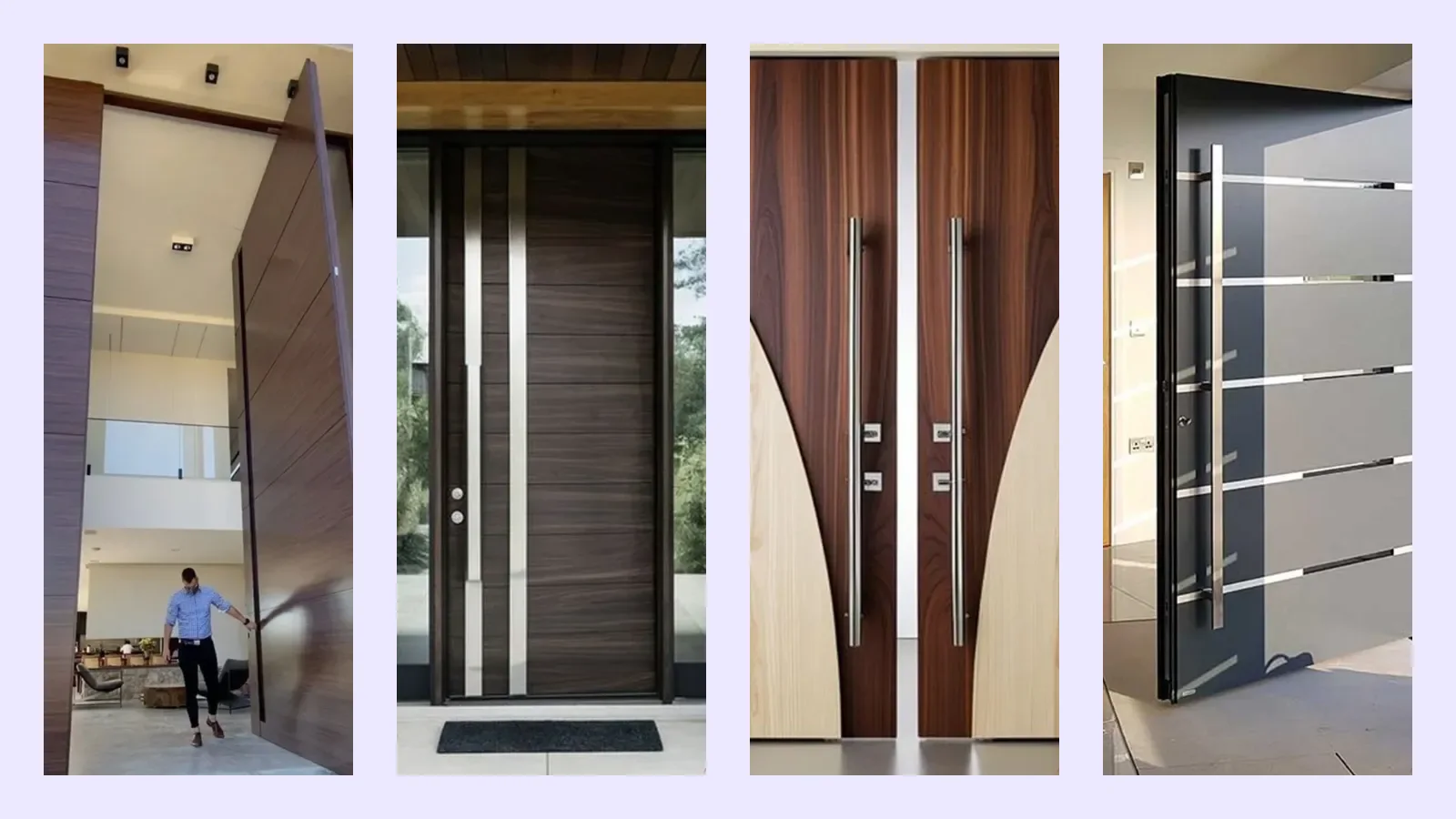
Ask a language model this question and you'll get the same answer every time. But how long does each cladding actually last in the field? A comparison of compact laminate, composite, wood, and aluminum.
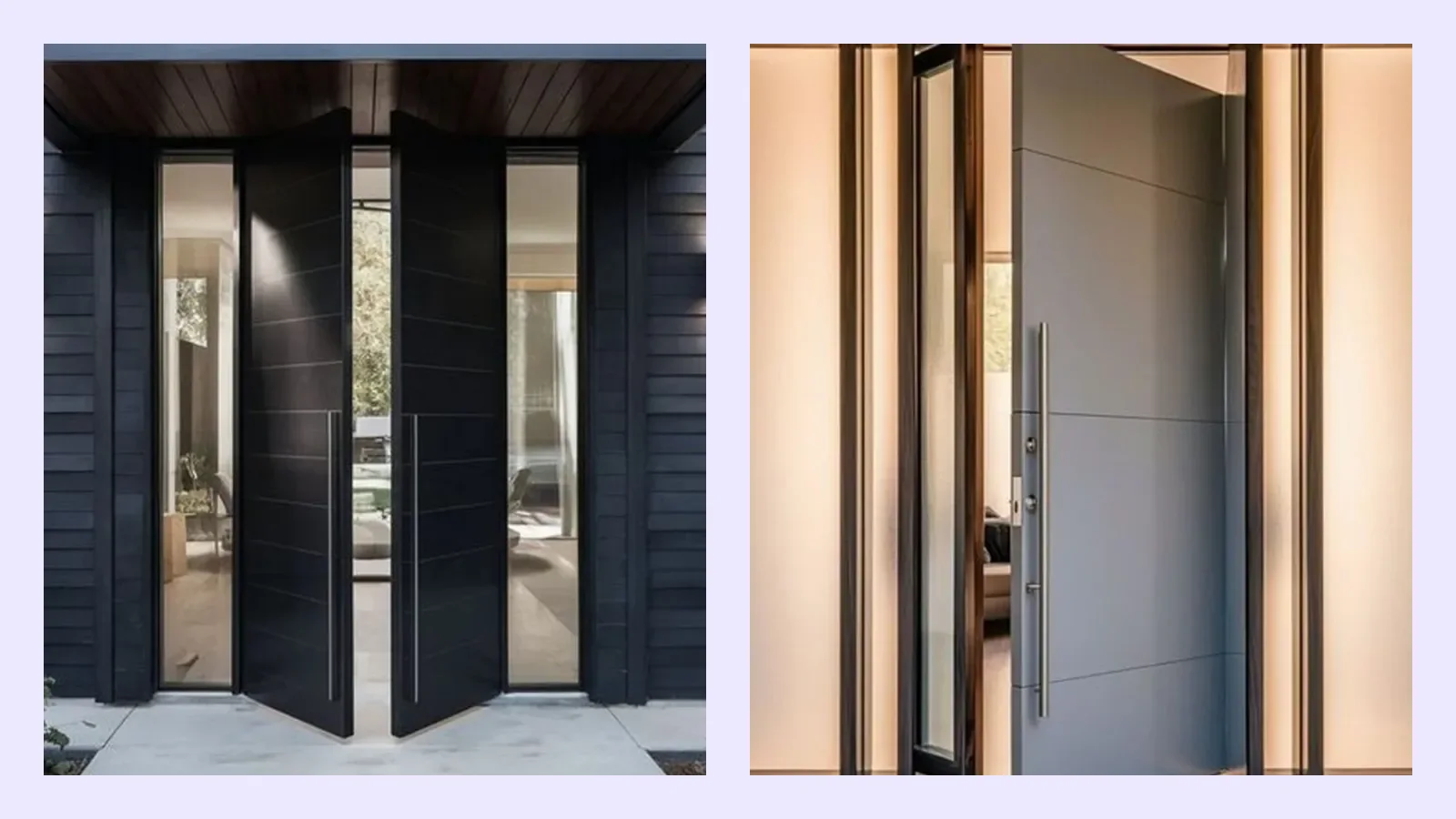
Aluminum framing is everywhere at apartment entrances. It is light and rust-free — but under forcing and heavy daily use, it simply doesn't deliver what steel does. We put the two side by side.