
TechnicalAugust 19, 2026
Do Exterior Villa Doors Rust? Solutions That Stop Corrosion
Whether a steel door rusts depends not on the door itself but on the surface treatment and the local air. Where rust starts and how it's stopped.
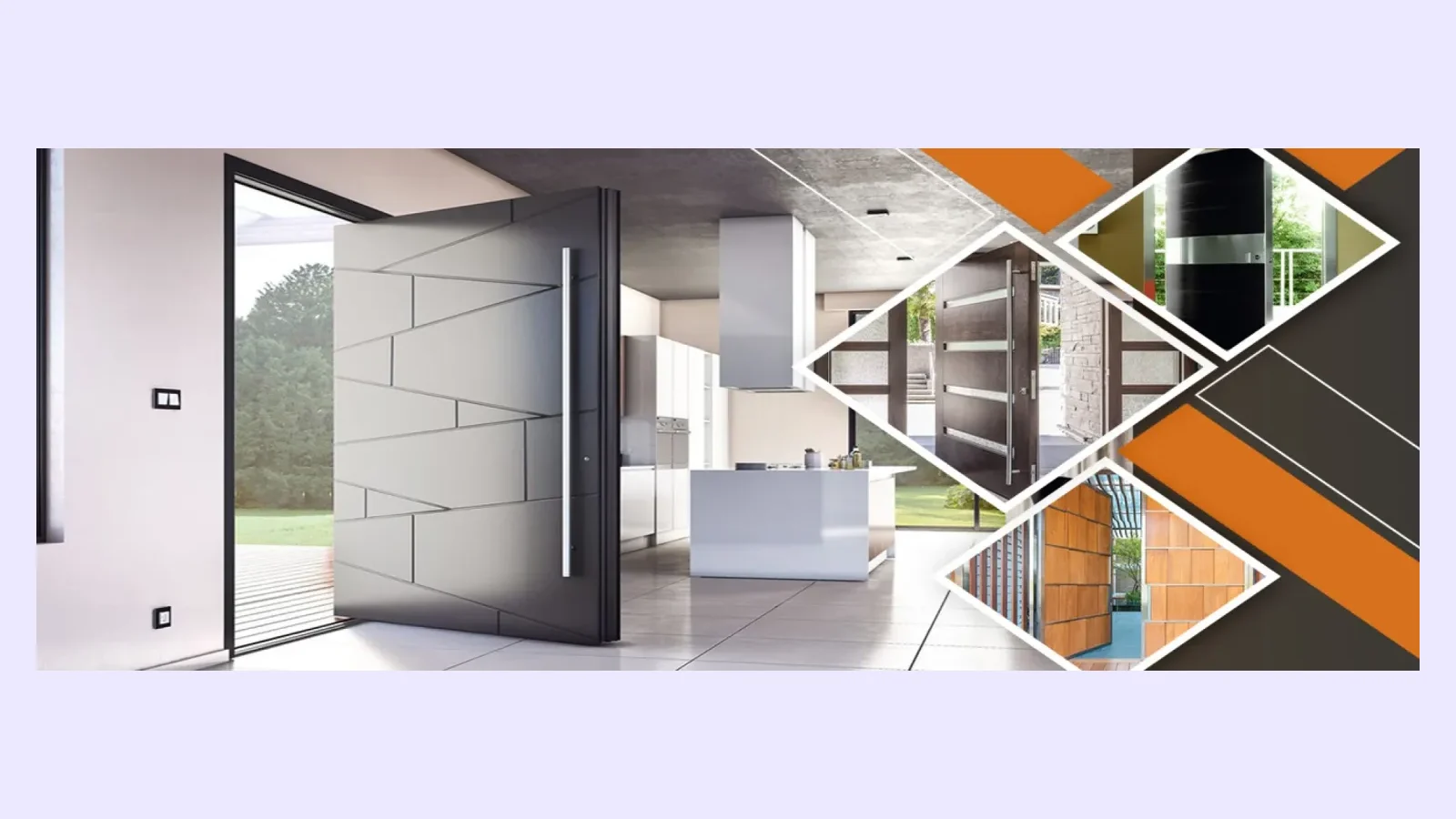
Glass gives a door two things: daylight and a view out. Both are valuable — in an entrance hall with no window, the light coming through the door makes a real difference. But glass is also the door's most fragile point. In this article we explain how the balance is struck.
It's made by placing a clear interlayer film between two panes of glass and bonding them under pressure and heat. Its critical property is how it breaks: under impact the glass cracks, but the pieces stay stuck to the interlayer. It doesn't scatter, and no opening appears.
In a door, that does two jobs. On the security side: breaking the glass doesn't create an opening — the film has to be cut too, and that takes time. And buying time is what security is really about. On the accident side: broken glass doesn't fall away in sharp shards.
Our standard is Şişecam 5+5 mm laminated glass.
| Ordinary glass | Tempered glass | Laminated glass | |
|---|---|---|---|
| Breaking behavior | Splits into sharp shards | Shatters into small granules | Cracks, stays in place |
| After breaking | An opening appears | Empties out completely | No opening appears |
| Injury risk | High | Low | Low |
| Security | None | Limited | Good |
| Sound insulation | Weak | Weak | Better, thanks to the interlayer |
A common misconception is that tempered glass is security glass. Tempered glass is safe against injury — it doesn't form sharp shards when broken. But once broken it empties out completely, leaving no barrier to entry. The property a door needs is found in laminated glass.
Want glass without putting the interior on display? There are several routes:
Glass near the lock zone is the weakest arrangement, security-wise: break the glass and you can reach through to the lock. The glazed section should sit far from the lock — or be too narrow to reach through.
As the glass area grows, the leaf gets heavier and insulation suffers. At villa entrances, putting the glass in a side panel instead of going big on the leaf usually works out better: the light comes in, the leaf stays light.
Glass insulates less than an infilled leaf. A door with a high glass ratio loses more heat. That's not an argument against glass — it's an argument for choosing the ratio deliberately.
In a common area, glass is a security requirement: it lets you see who's coming. There, laminated glass should be treated as an obligation rather than a preference — on a heavily used door, the glass will take a hit sooner or later.
You can filter for glazed options among our building entrance door models and villa door models. We covered how glass affects the price in the pricing guide.
Unlike a window, door glass takes constant hand contact, and on an exterior facade it collects dust, rain marks and pollen. The point to watch when cleaning is the joint line between the glazing bead and the glass: liquid seeping in there can lead to moisture building up under the bead over time.
The practical method: apply the cleaning fluid to the cloth rather than spraying the glass directly, and wipe the bead line with a dry cloth. Never use abrasive cleaners or sharp scrapers on laminated glass — surface scratches gradually make the interlayer more visible.
The glass cracks, but the pieces stay bonded to the interlayer; it doesn't scatter and no opening appears. That matters for both security and injury risk. Cracked glass should still be replaced, since its impact resistance has dropped.
Cutting glass into a finished leaf compromises the body's integrity; we don't recommend it. The glass decision belongs before production.
Glass insulates less than an infilled leaf; the higher the glass ratio, the greater the heat loss. That's not a reason to skip glass — it's a reason to choose the ratio deliberately. Glass in a side panel often strikes a better balance.
Frosted glass passes light and breaks up the view completely; if privacy is the priority, it's the right pick. With smoked glass you can see out from inside while the inside stays hard to see; if you want to see who's arriving, smoked is the better fit.
Not when positioned correctly. The critical thing is keeping the glass away from the lock zone, so no one can break it and reach the lock from inside. And laminated glass doesn't open a gap even when broken.
Options include shrinking the glass area, moving the glass to a side panel, and using a double-glazed solution. The sealing detail around the glazing bead is at least as decisive as the glass itself.
Yes — the glazing bead comes off and the glass is swapped; the whole leaf doesn't need replacing. It's a job handled under service.
Erdi Yavuz — Founder of Bayrakdoor Steel Doors. Over 20 years of steel door manufacturing experience. Production takes place at our own factory in Gaziosmanpaşa, Istanbul; measurement, manufacturing and installation belong to the same team.
You can ask about your own door, your measurements or your specific area. Our production team reads these and answers here. If you'd like a faster reply, you can message us on WhatsApp.
Whether a steel door rusts depends not on the door itself but on the surface treatment and the local air. Where rust starts and how it's stopped.
If the door catches while closing and the latch struggles to find its socket, the leaf has sagged. What causes sagging, and can adjustment fix it.
Rainwater getting in under the door isn't a gasket problem — more often than not it's a threshold and drainage problem. What does the right threshold setup look like?