
TechnicalAugust 19, 2026
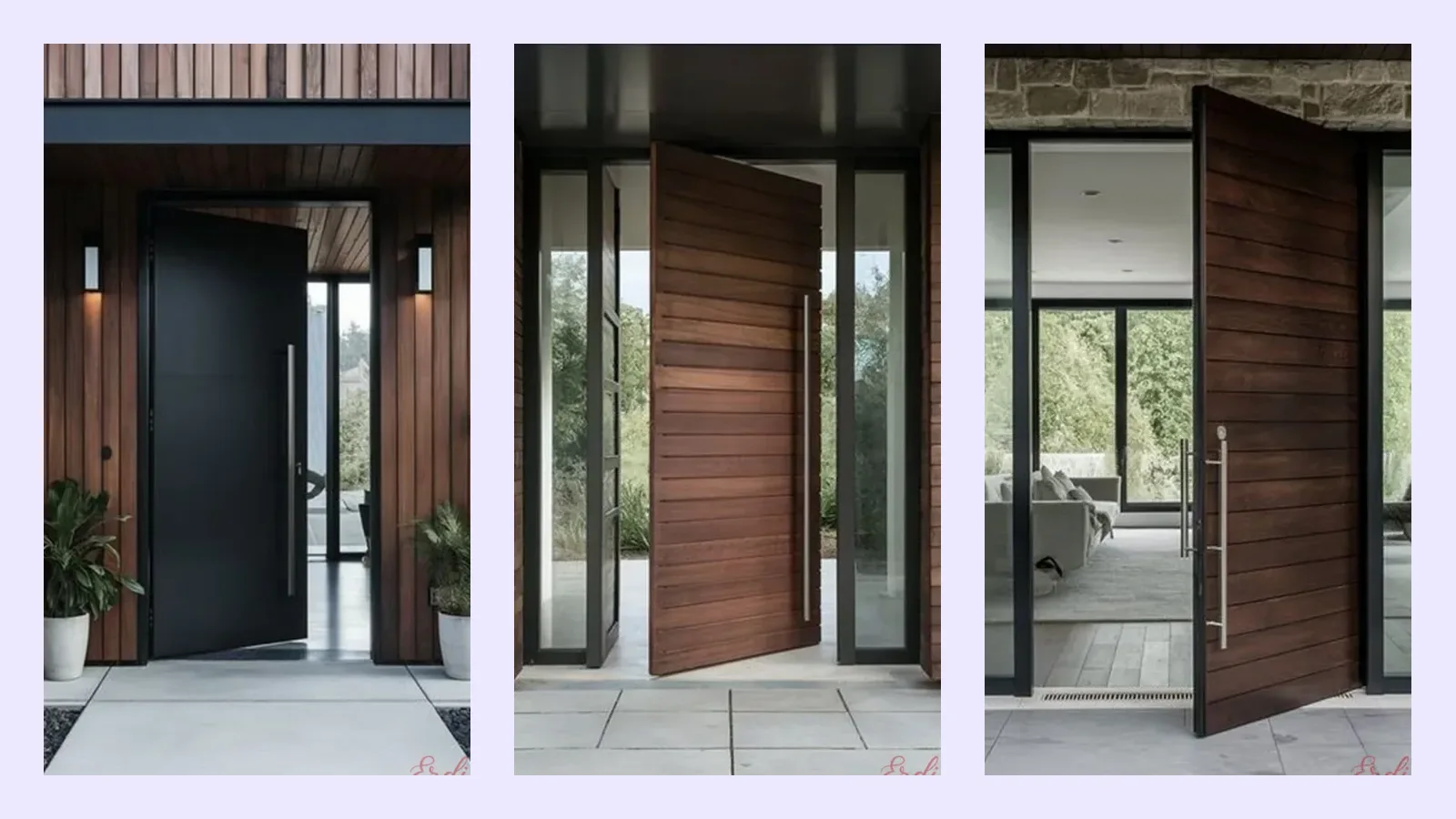
Do Exterior Villa Doors Rust? Solutions That Stop Corrosion
Whether a steel door rusts depends not on the door itself but on the surface treatment and the local air. Where rust starts and how it's stopped.
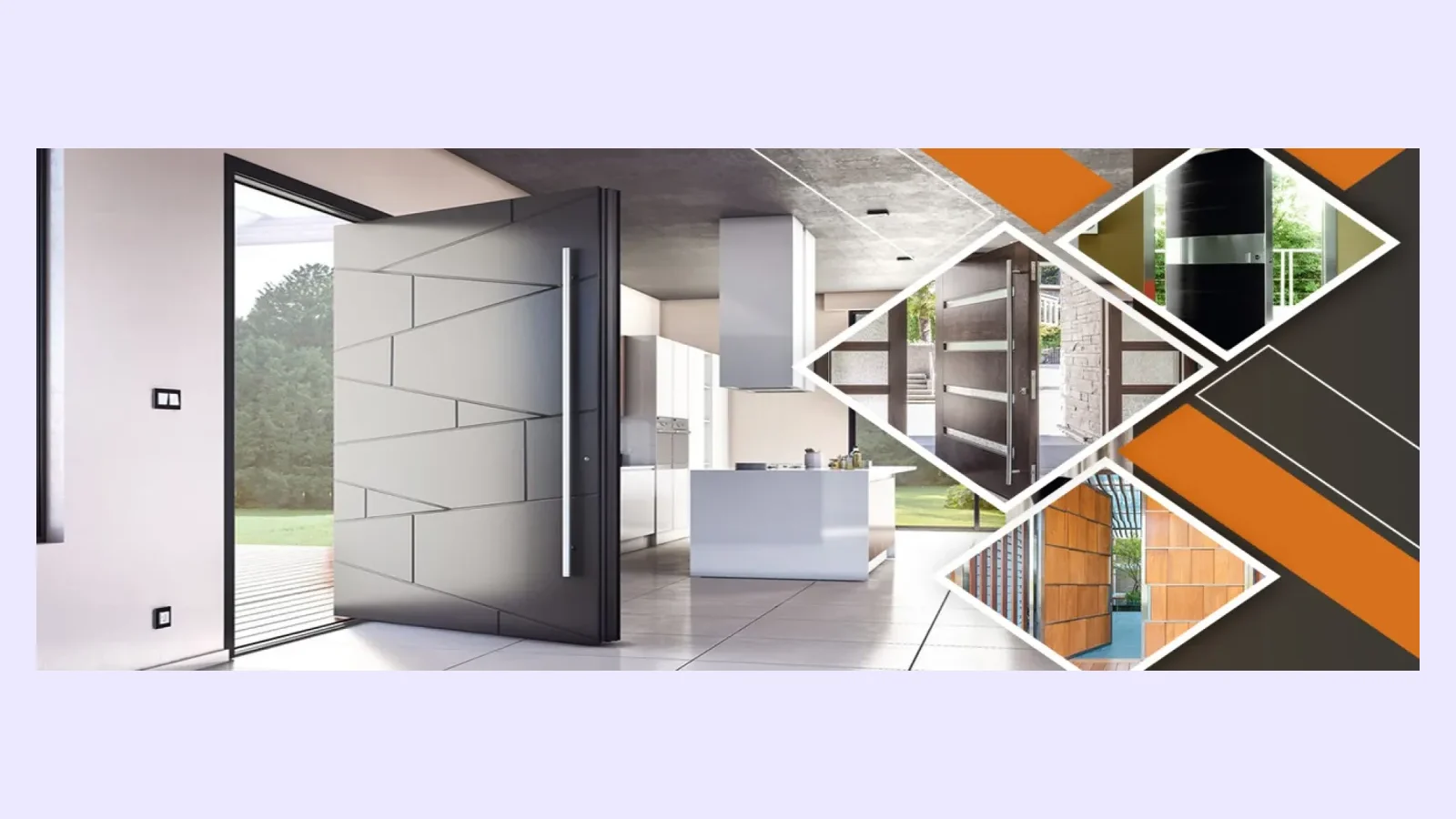
Keyless access is no longer a niche request. Fingerprint readers, cards, and coded keypads are requested often — for both villa entrances and apartment entrances. In this article, we explain how these systems work, where each one makes sense, and what to ask when deciding.
Smart access is a layer of convenience; it doesn't replace the security layer. A door's security is determined by its body structure, multi-point locking, fixed pins, and cylinder class. A fingerprint reader doesn't change any of that — it only changes how the lock gets opened.
That's why a smart-access door absolutely must have a mechanical lock underneath it. Since the electronic unit will fail one day (it will), the door needs to be openable with a key.
The fastest and most practical method: there's nothing to carry with you. The most popular system for residences and villa entrances. It has limits: reading gets harder with wet, very dry, or injured fingers; young children's fingerprints change over time, so re-registration may be needed. For an outdoor reader, positioning it somewhere sheltered matters.
The most common choice for apartment and complex entrances. The real advantage is on the management side: if a key is lost, the whole cylinder set doesn't need replacing — the lost card is simply removed from the system. In buildings with high tenant turnover, this saves a noticeable amount over the long run. The downside is having to carry the card.
You don't need to carry anything, and giving a guest temporary access is easy. One thing to watch: frequently pressed keys wear down over time and can give away the code. Models offering a randomized keypad layout solve this problem. The code should be changed periodically.
Opening the door from your phone and viewing a log of who entered and when. Useful for site management and rental properties. The real question here isn't security but connectivity: what happens when the internet goes down? Good systems keep working locally.
| Is there a mechanical lock? | There should be. The door needs to open with a key if the electronics fail. |
|---|---|
| What if the power goes out? | It should have battery backup and warn before the battery dies. |
| Where is the battery changed? | Should be accessible from outside; the door should open even if you're locked inside. |
| How many users can be registered? | Depends on household size and number of guests. |
| Is it suited for outdoor use? | At a villa entrance, it needs to withstand rain and temperature swings. |
| Does it keep logs? | Entry logs are often requested at complex entrances. |
Smart access can be added later, but planning it while the leaf is being made gives a far cleaner result: the recess for the reader, the cable channel, and the battery compartment are all integrated into the body. Retrofitted, surface-mounted parts can affect both the look and the seal.
Card, code, or fingerprint access can be added as an option to any of our models. Underneath, there's always an Italian Mottura or Mul-T-Lock mechanical lock system; the smart unit works on top of it. So even if you never use your key, the door still works perfectly well without the smart unit.
We covered the lock system itself in our lock guide, and how the access system affects price in our pricing guide.
Smart access isn't necessary for every household, but in some cases it makes daily life noticeably easier. At the top of the list: households where children come home from school alone, users who don't like carrying keys, rental properties (no cylinder swap needed at every tenant change), homes that give temporary access for cleaning or maintenance, and villas with multiple entrances.
On the other hand, for a single-occupant household with a settled routine, smart access may not always be worth what it costs. When deciding, "how often do I actually run into key trouble?" is a useful gauge.
It does. Smart units run on batteries and aren't affected by power outages; and since there's a mechanical lock underneath, the door can always be opened with a key. The system warns before the battery runs out.
In local systems, the data stays inside the door unit and isn't sent anywhere. For systems with remote control, the manufacturer's data policy should be reviewed — a question worth asking when making this choice.
Not as long as there's a mechanical lock and multi-point locking underneath. The risky option is a purely electronic solution with no mechanical lock at all.
It can, but planning it while the leaf is being made gives a much cleaner result — the reader recess, cable channel, and battery compartment are integrated into the body.
Readers built for outdoor use work across a wide temperature range. The trouble usually isn't the cold itself but wet or overly dry fingers — which is why a backup method (code or card) should always be set up.
Coded systems allow a temporary code, and card systems allow a temporary card that can later be removed from the system. This eliminates the need to leave a house key with cleaning or maintenance staff.
It varies with usage frequency; systems warn before the battery dies. It's important not to ignore the warning — though the door will still always open with the mechanical key.
Erdi Yavuz — Founder of Bayrakdoor Steel Door. Over 20 years of experience manufacturing steel doors. Production takes place at our own factory in Gaziosmanpaşa, Istanbul; measurement, manufacturing, and installation all stay with the same team.
You can ask about your own door, your measurements or your specific area. Our production team reads these and answers here. If you'd like a faster reply, you can message us on WhatsApp.
Whether a steel door rusts depends not on the door itself but on the surface treatment and the local air. Where rust starts and how it's stopped.
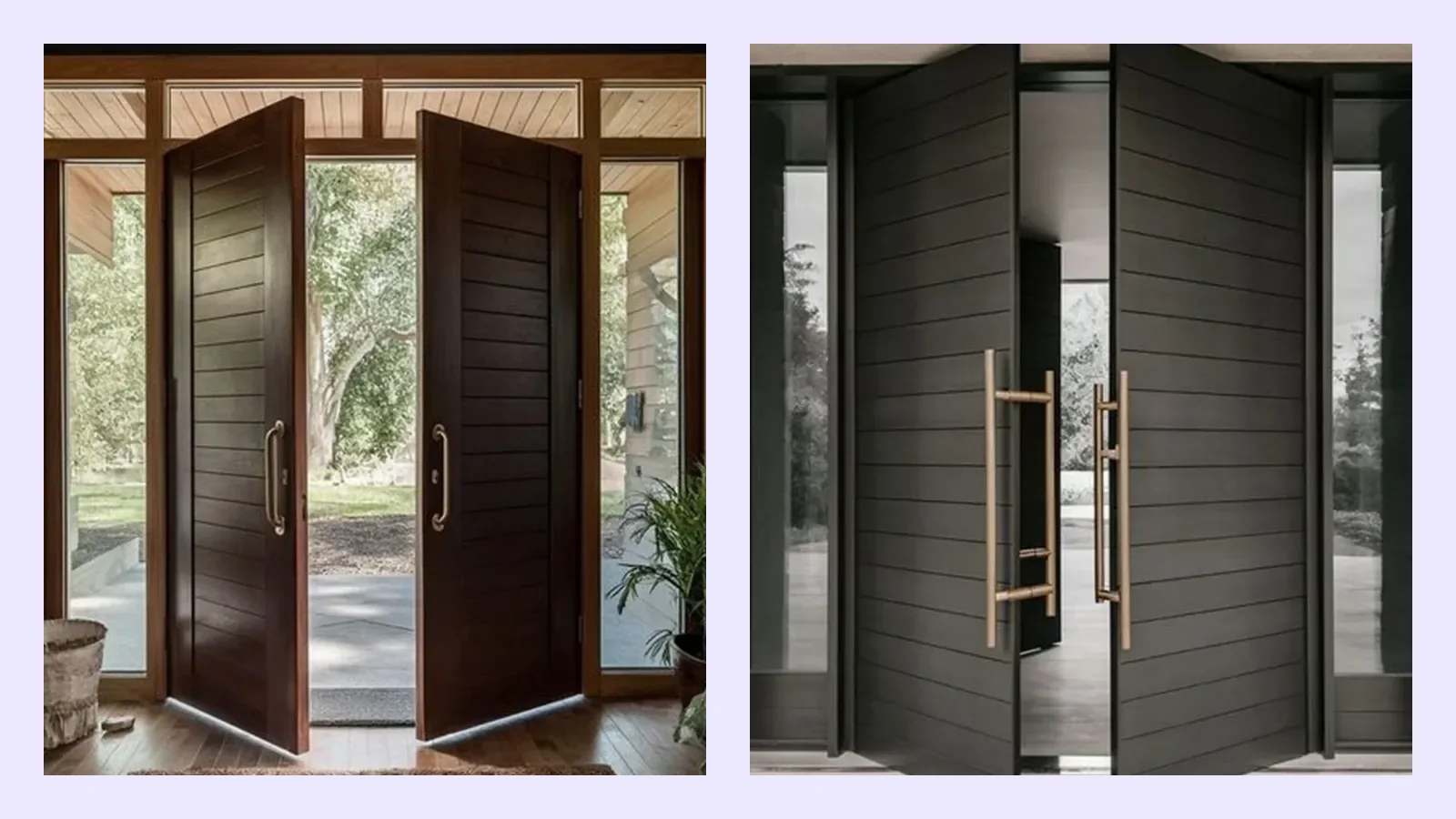
If the door catches while closing and the latch struggles to find its socket, the leaf has sagged. What causes sagging, and can adjustment fix it.
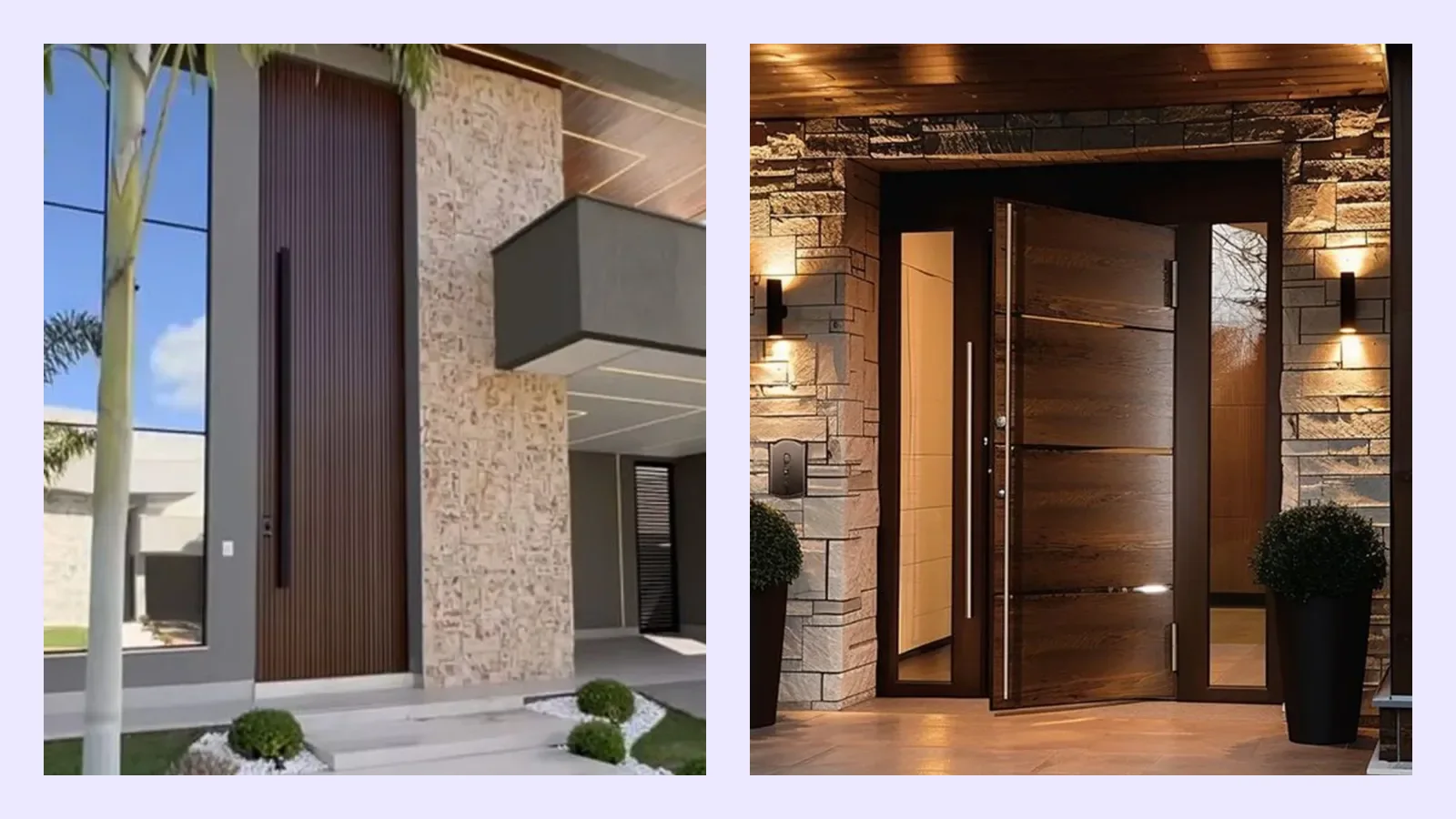
Rainwater getting in under the door isn't a gasket problem — more often than not it's a threshold and drainage problem. What does the right threshold setup look like?